Do eye supplements really work? The OptiPlax fact check
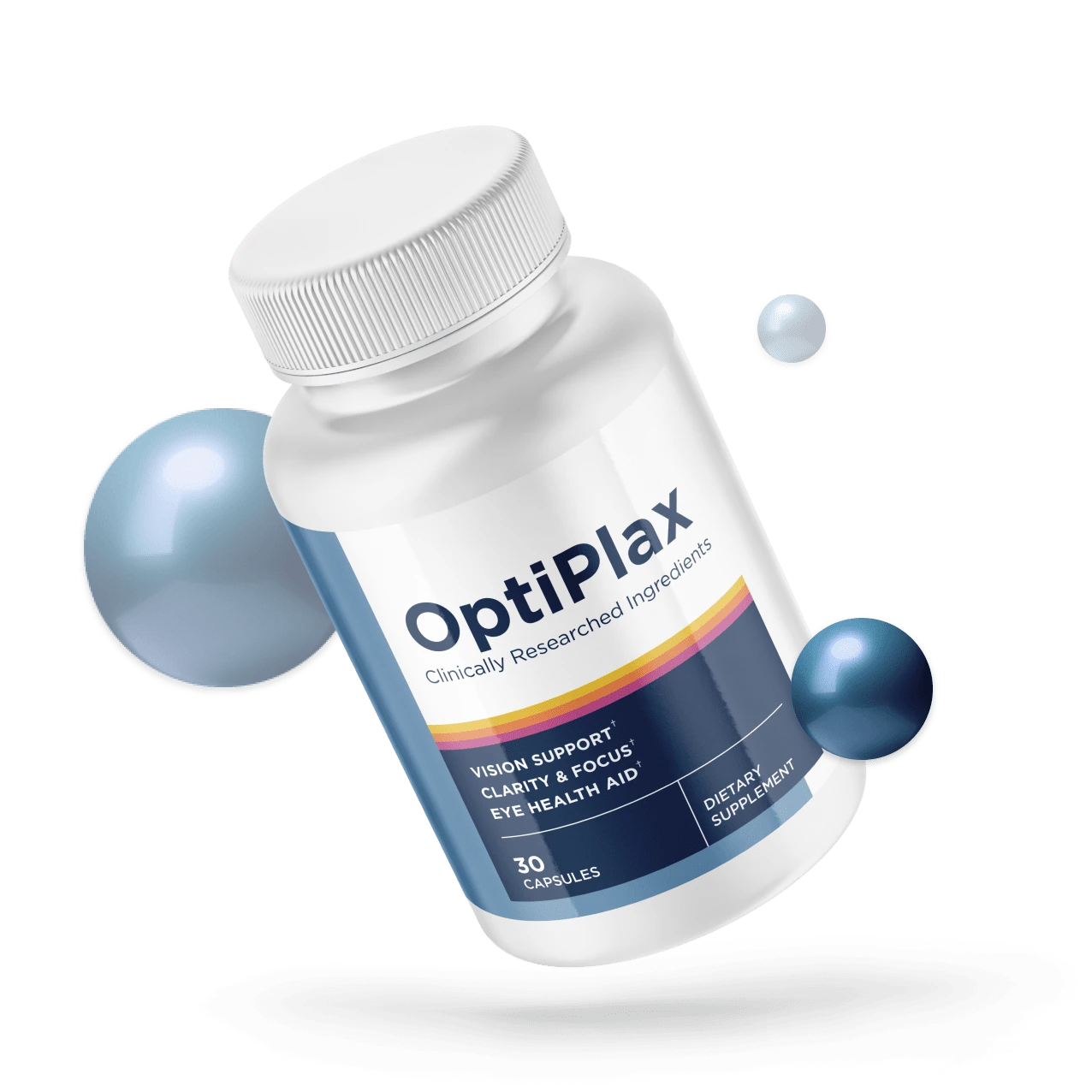
Updated August 2026. We are an independent information resource, not a medical provider, and this article is educational rather than medical advice.
Do eye supplements really work? The honest answer is that some ingredients have genuine, well-documented nutritional support behind them, but no pill sharpens normal eyesight, reverses ageing or replaces glasses — and the marketing that promises those things is where the myths live. Eye supplements are supportive nutrition for a system your diet already feeds, and the useful question is not “miracle or scam?” but “what, realistically, can they do, and for whom?”
The evidence-led verdict, without the hype.
- Do they work?
- Within limits. The strongest evidence is for one antioxidant formula that slowed progression in people who already had intermediate macular degeneration — not for improving healthy sight.
- What they cannot do
- They do not sharpen normal vision, reduce a glasses prescription, or cure or prevent eye disease. Any product claiming otherwise is overreaching.
- Where they help
- As a consistent source of carotenoids and antioxidants that fill dietary gaps and support eye tissue over the long term.
- How OptiPlax positions itself
- As everyday nutritional support built on astaxanthin and a marine-carotenoid blend — not a treatment, and honest about it.
Search “do eye supplements really work” and you will find equal parts breathless promise and blanket dismissal. Neither extreme is accurate. This fact check separates what the research supports from what the ads imply, and shows where a marine formula like OptiPlax fits — and where it does not.

Do eye supplements really work? The honest verdict
Eye supplements work in a narrow, evidence-backed sense and fail in the broad, marketing sense. The clearest scientific win came from large trials showing that a specific antioxidant and zinc formula slowed the progression of an existing eye disease in a defined group. That is very different from the popular claim that a daily capsule makes anyone see more sharply. Once you separate “supports the nutrition of eye tissue” from “improves how well you see,” most of the confusion disappears: the nutrients are legitimate; the sweeping promises attached to them usually are not.
What can eye supplements actually do?
Eye supplements can supply concentrated nutrients that the eye uses but that many diets deliver inconsistently. That is their real, modest job — and a worthwhile one when done honestly.
Can they fill genuine dietary gaps?
Yes, and this is their most defensible role. Lutein and zeaxanthin concentrate in the macula, yet many people do not eat enough leafy greens, corn, peppers and egg yolk to keep intake high. A supplement offers a reliable daily amount when the plate is inconsistent, and the same logic applies to omega-3 fats for people who rarely eat oily fish. This is support, not correction of a deficiency disease, but a steady supply is a reasonable thing to want.
Can they support the eye against light and oxidative stress?
The macular carotenoids help filter high-energy light and act as antioxidants in tissue bathed in light all day, and marine carotenoids such as astaxanthin and fucoxanthin are studied for the same broad antioxidant reason. “Support” is the accurate word: these nutrients are part of the eye’s own defences, and keeping them topped up is plausible and low-risk, even where the clinical proof for a specific outcome is still thin.
What can eye supplements NOT do? The myths
No supplement improves normal eyesight, and any product that says otherwise has crossed from support into fantasy. These are the claims to treat as red flags.
The largest of those myths deserves its own treatment, and it gets one in can supplements improve eyesight, which separates measurable outcomes from wishful ones. For the single ingredient most often oversold on exactly this point, see does astaxanthin really improve eyesight.
- “Restore 20/20 vision” — refractive blur is an optical problem solved by lenses, not nutrients. No capsule changes the shape of your eye.
- “Throw away your glasses” — no supplement has ever been shown to reduce a prescription. This is a marketing myth, full stop.
- “Cure” or “reverse” cataracts, glaucoma or macular degeneration — these are medical conditions that need professional care; a supplement is not a treatment.
- “Prevent all eye disease” — even the best-studied formula only slowed progression in people who already had intermediate disease.
- “Works in days” — nutritional effects build over months, so instant-result claims contradict how carotenoids behave in the body.
An easy test: if a product sells an outcome your optometrist would raise an eyebrow at, be skeptical. Honest supplements talk about support and nutrition, not cures.
See the exact dose in OptiPlax →
What does the evidence actually say?
The evidence for eye supplements is strong in one narrow place and weak-to-emerging everywhere else. The table below maps honestly where the research stands, so you can weigh claims against reality rather than advertising.
AREDS2 remains the benchmark, and its finding was deliberately narrow: lutein and zeaxanthin affected progression risk in people with existing intermediate macular disease (AREDS2 Research Group, JAMA, 2013). A systematic review of carotenoids in that same population reports the same limited scope (Lem DW et al., Antioxidants, 2021), and the human astaxanthin literature is smaller still (Donoso A et al., Pharmacological Research, 2021).
| Claim / nutrient | What the evidence supports | Strength of evidence |
|---|---|---|
| AREDS2 antioxidant + zinc formula | Slowed progression from intermediate to advanced AMD in a defined at-risk group. | Strong (large trials); narrow population |
| Lutein & zeaxanthin | Concentrate in the macula and raise macular pigment; role in general eye nutrition. | Moderate |
| Omega-3 fats | Part of the retina and tear film; associated with surface comfort in general nutrition. | Mixed / emerging |
| Astaxanthin | A marine antioxidant studied for light-exposed tissues; early and general findings. | Emerging |
| “Sharpens normal vision” | No supplement has been shown to improve healthy visual acuity. | Not supported |
The single strongest result — the AREDS2 formula — is also the most misread. It helped a specific group who already had intermediate age-related macular degeneration; it was never shown to help healthy eyes. Reading it as “eye vitamins protect everyone” is exactly the leap the evidence does not support.
See exactly what is inside
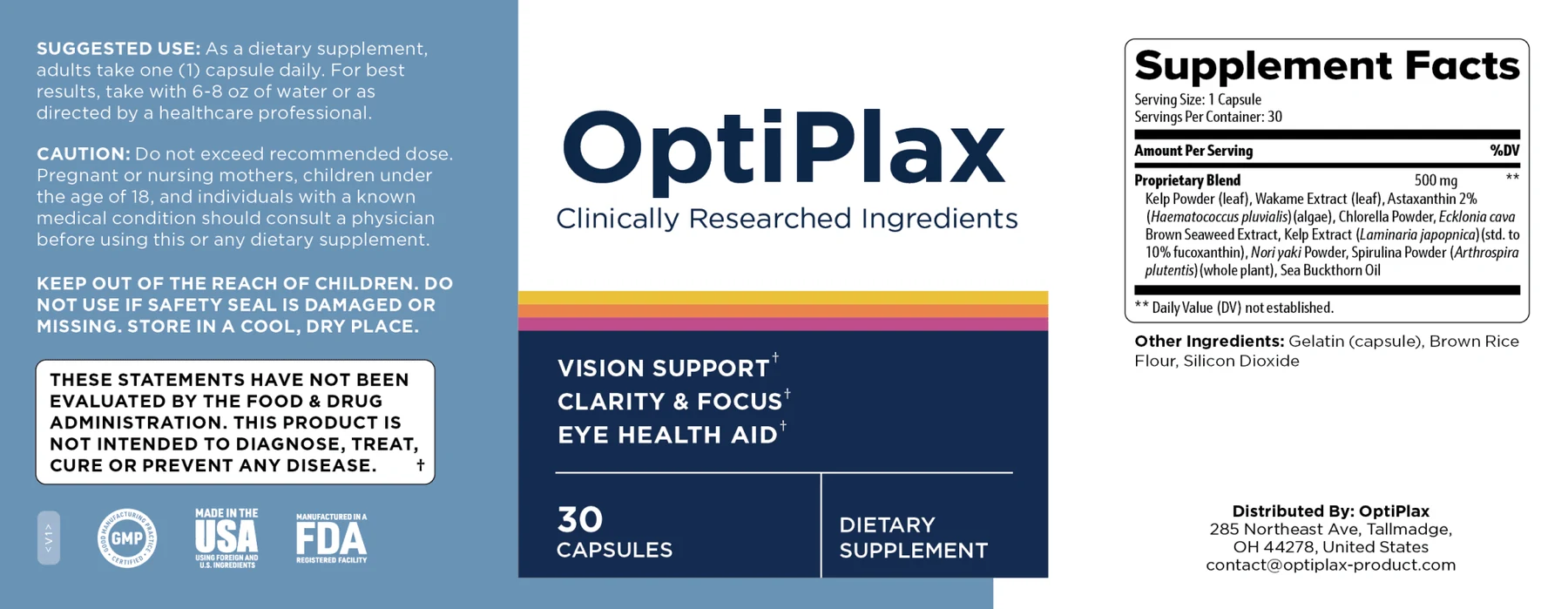
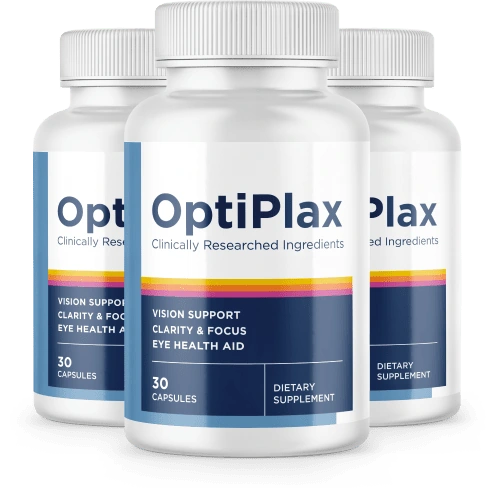
OptiPlax lists its ingredients and amounts openly: astaxanthin from Haematococcus pluvialis plus a 500 mg marine blend, in one daily capsule. No cure claims — just the dose, in plain sight.
Check today’s OptiPlax pricing →Are eye vitamins worth it for you?
Whether eye vitamins are worth it depends far more on your diet and goals than on any single product. They add the most value when they fill a real gap and the least when asked to do something no supplement can.
| Your situation | Are eye vitamins likely worth it? | Why |
|---|---|---|
| Diet already rich in greens & oily fish | Marginal | You may already reach useful carotenoid and omega-3 intakes; a supplement is insurance, not transformation. |
| Busy diet, few vegetables or fish | Reasonable | A consistent daily source of carotenoids fills a genuine gap. |
| Long screen days, want a support routine | Reasonable, with habits | Best paired with screen breaks and light habits, not used instead of them. |
| Diagnosed eye condition | Ask your doctor first | Only a professional can say whether a formula fits your specific case. |
| Hoping to improve eyesight or drop glasses | No | No supplement does this; expectations here will not be met. |
How does OptiPlax position itself honestly?
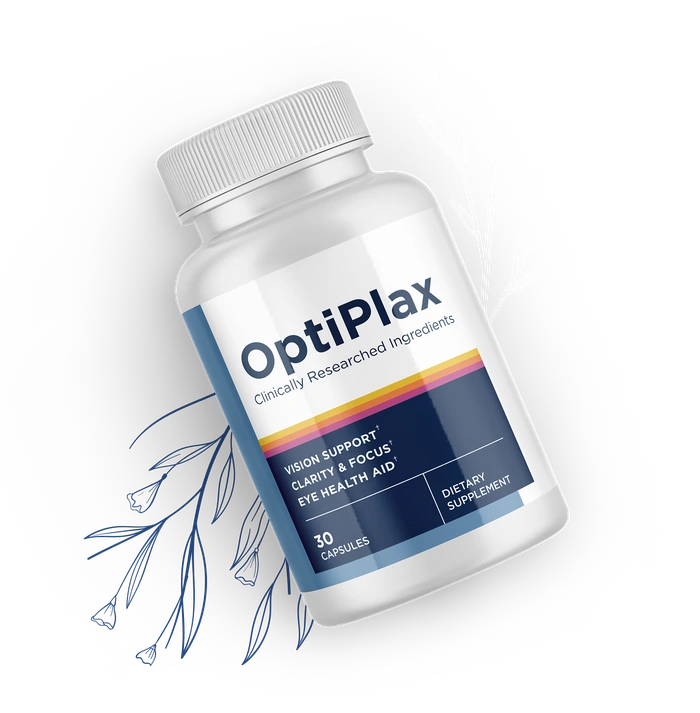
OptiPlax positions itself as everyday nutritional support, not a treatment — and that framing is the point of this fact check. It is a once-daily capsule pairing astaxanthin with a 500 mg blend of fucoxanthin-rich kelp, wakame, chlorella, spirulina and sea buckthorn oil, which places it squarely in the “support” column above: a consistent, dosed source of marine carotenoids, sold without the cure claims this article warns against. For the mechanism in more depth, read our explainer on astaxanthin and marine carotenoids for eyes, or see lutein vs astaxanthin for eyes. It is not intended to diagnose, treat, cure or prevent any disease, and works best alongside a good diet, sensible screen habits and regular eye exams — never instead of them.
How do you set realistic expectations?
Realistic expectations are what turn a supplement from a disappointment into a sensible habit. Judge it by the right yardstick: a steady, gradual contribution to your overall eye nutrition, felt over months, not a switch that flips your vision. Give any carotenoid formula a consistent multi-month trial, take it at the same time daily, and pair it with the habits that genuinely move eye comfort — the 20-20-20 rule, UV protection and sleep. Held to that standard, a well-made eye supplement can be a reasonable part of a routine; held to the marketing standard, almost anything disappoints.
When should you see an eye doctor?
Supplements support nutrition; they never replace professional eye care. Book a routine eye exam on the schedule your optometrist recommends, and see a professional promptly for sudden vision changes, flashes or floaters, persistent pain or redness, or any loss of vision. If you have a diagnosed condition such as macular degeneration, glaucoma or cataracts, ask your eye-care provider before starting any supplement. Catching real issues early always beats hoping a capsule will handle them.
Frequently asked questions
Do eye supplements really work?
Sometimes, and within limits. The strongest evidence is for a specific antioxidant formula that slowed progression in people who already had intermediate age-related macular degeneration; there is no good evidence that eye vitamins sharpen normal sight or prevent disease in healthy eyes. For most people they are supportive nutrition, not a fix.
Are eye vitamins worth it for healthy eyes?
If your diet is already rich in colourful vegetables and oily fish, a supplement adds insurance rather than a dramatic change. They can be worth it for filling gaps in a busy diet or for people who want a consistent source of carotenoids, as long as expectations stay realistic and any eye condition is discussed with a doctor.
Will an eye supplement improve my eyesight or reduce my glasses prescription?
No. No supplement has been shown to change your refractive error, so it will not reduce your glasses or contact lens prescription. Blurry vision that needs correction is an optical issue that lenses, not nutrients, address.
How long before an eye supplement might do anything?
Nutritional support builds gradually. Carotenoids like lutein, zeaxanthin and astaxanthin accumulate in tissue over weeks to months, so most studies run for many months. If you try one, give it a consistent multi-month trial rather than judging it in a week.
What should I look for on an eye supplement label?
Look for named, dosed ingredients rather than vague blends, a form you will actually take daily, third-party manufacturing standards such as GMP, and honest marketing that does not promise to cure disease or restore vision. Transparency about the exact dose is a good sign.
Is OptiPlax a treatment for eye disease?
No. OptiPlax is a once-daily dietary supplement built on astaxanthin and a marine-carotenoid blend, intended as everyday nutritional support for eye health. It is not intended to diagnose, treat, cure or prevent any disease, and anyone with an eye condition should speak with their eye-care professional.
See the exact dose in OptiPlax — try it risk-free for 60 days →
OptiPlax is a dietary supplement, not a treatment for any medical condition. These statements have not been evaluated by the Food and Drug Administration. This product is not intended to diagnose, treat, cure or prevent any disease. Always consult a qualified healthcare professional about your individual needs.
References & further reading
- National Eye Institute (NIH). Age-Related Eye Disease Studies (AREDS/AREDS2). nei.nih.gov/research/clinical-trials/age-related-eye-disease-studies
- National Center for Complementary and Integrative Health (NCCIH). Antioxidants. nccih.nih.gov/health/antioxidants-in-depth
- Mayo Clinic. Can vitamins help prevent macular degeneration? mayoclinic.org/diseases-conditions/macular-degeneration
- Examine.com. Astaxanthin — evidence-based summary. examine.com/supplements/astaxanthin
- Age-Related Eye Disease Study 2 Research Group. Lutein + zeaxanthin and omega-3 fatty acids for age-related macular degeneration: the AREDS2 randomized clinical trial. JAMA, 2013. pubmed.ncbi.nlm.nih.gov/23644932
- Lem DW, et al. A Systematic Review of Carotenoids in the Management of Age-Related Macular Degeneration. Antioxidants, 2021. pubmed.ncbi.nlm.nih.gov/34439503
- Donoso A, et al. Therapeutic uses of natural astaxanthin: an evidence-based review focused on human clinical trials. Pharmacological Research, 2021. pubmed.ncbi.nlm.nih.gov/33549728
These references describe the ingredients and evidence in general terms and do not constitute evidence that any product treats, cures or prevents any condition.
Keep reading: best foods for eye health · support vision naturally · the full OptiPlax review · the blog.