Astaxanthin and marine carotenoids for eyes: the OptiPlax guide
Updated August 2026 · reviewed by the OptiPlax Research Team. We are an independent information resource, not a medical provider, and this article is educational rather than medical advice.
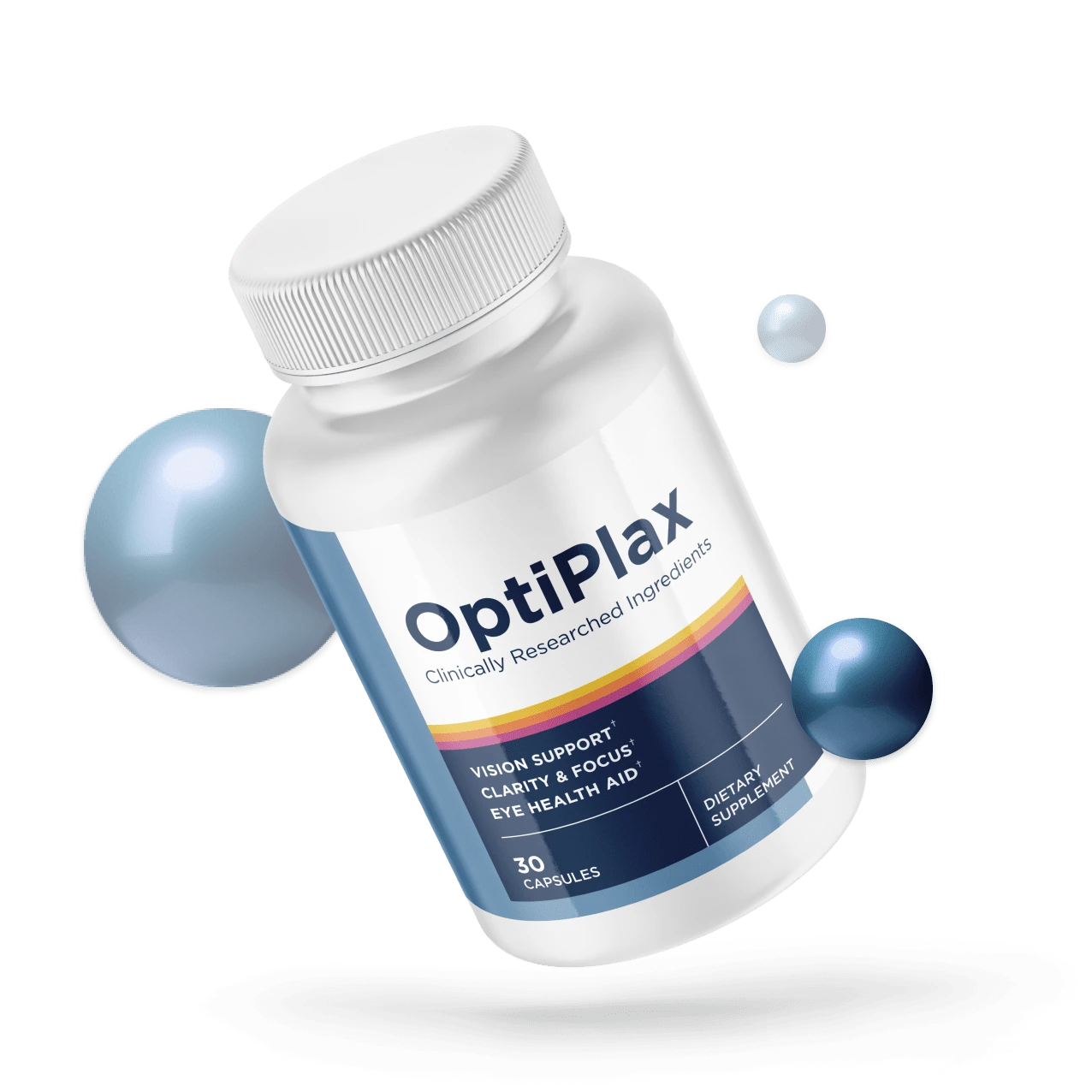
Astaxanthin and fucoxanthin are marine carotenoids — the vivid red and golden pigments that algae and brown seaweeds use to shield themselves from intense sunlight in the sea. As antioxidants, they are studied for the light-exposed tissues involved in vision, and they are the heart of the OptiPlax marine blend. This guide explains what each one is, how it works, and what to check on a label.
The marine carotenoids behind OptiPlax, in one place.
- Astaxanthin
- A red antioxidant carotenoid from the microalga Haematococcus pluvialis; the headline active and the pigment that colours salmon.
- Fucoxanthin
- The golden carotenoid of kelp and brown seaweed, supplied here from a kelp extract standardized to 10% fucoxanthin.
- The mechanism
- Carotenoids are the pigments the ocean uses to manage light; as antioxidants they help neutralise reactive molecules formed when light meets tissue.
- The supporting cast
- Kelp, wakame, Ecklonia cava, chlorella, spirulina, nori and sea buckthorn oil round out a whole-food marine blend.
- Timeframe
- Carotenoids build up gradually, so consistency over weeks to months matters most, and results vary.
Every ingredient below is transcribed from the OptiPlax Supplement Facts panel and paired with an independent reference, so you can read the science yourself rather than take a label’s word for it.
What is astaxanthin?
Astaxanthin is a deep-red carotenoid produced by the freshwater microalga Haematococcus pluvialis. When the alga is stressed by light and drought, it floods its cells with astaxanthin as a natural sunscreen — and that same pigment, passed up the food chain, is what turns salmon, trout, shrimp and flamingos pink. In nutrition it is prized as one of the most powerful antioxidants known, and it is the headline active in OptiPlax at a standardized 2% concentration.
What is fucoxanthin, and where does it come from?
Fucoxanthin is the olive-to-golden pigment that gives brown seaweeds their characteristic colour. In OptiPlax it is supplied by a kelp extract (Laminaria japonica) standardized to 10% fucoxanthin, so each capsule delivers a consistent amount. Like astaxanthin, it is a marine antioxidant, and it has drawn research attention for general cellular and metabolic wellness.
How do marine carotenoids work?
The logic is elegantly simple. In the sea, plants and algae are bathed in light, and light striking living tissue generates reactive molecules called free radicals. Over billions of years, marine organisms evolved brightly coloured carotenoids to absorb excess light energy and quench those free radicals — in effect, a built-in antioxidant defence. When we eat those pigments, we borrow the same chemistry. Because the tissues at the back of the eye are among the most light-exposed and metabolically active in the body, antioxidant carotenoids are a natural focus of eye-nutrition research.
The honest state of the evidence here is narrow rather than absent. A randomised, double-blind, placebo-controlled trial reported lower acute and chronic digital eye strain scores with astaxanthin (Hecht KA et al., Advances in Therapy, 2025), and a review restricted to human astaxanthin trials places the clearest signals in eye comfort and oxidative-stress markers rather than in measured sharpness of sight (Donoso A et al., Pharmacological Research, 2021). Neither finding means a carotenoid changes a spectacle prescription.
See the full OptiPlax marine blend →
What else is in the blend?
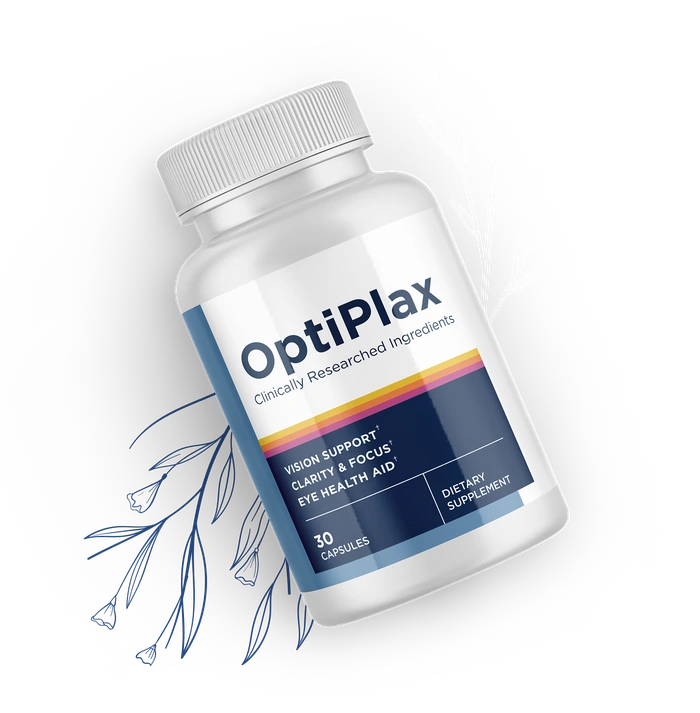
Astaxanthin and fucoxanthin lead, but OptiPlax is a whole-food marine formula, and the supporting ingredients each bring their own profile of sea-plant nutrition.
| Ingredient | Source | Why it is in the blend |
|---|---|---|
| Astaxanthin (2%) | Haematococcus pluvialis | The headline red antioxidant carotenoid. |
| Kelp extract (10% fucoxanthin) | Laminaria japonica | Standardized source of the marine carotenoid fucoxanthin. |
| Kelp & wakame | Brown seaweeds | Whole sea vegetables; kelp is a natural iodine source. |
| Ecklonia cava | Brown alga | Valued for distinctive marine polyphenols. |
| Chlorella & spirulina | Microalgae | Nutrient-dense whole-food algae with mixed pigments. |
| Nori & sea buckthorn oil | Seaweed & berry oil | Further sea-plant nutrition plus carotenoids and vitamin E. |
Kelp, wakame and Ecklonia cava
These edible brown seaweeds have been staples of East Asian coastal diets for centuries. Kelp is a well-known natural source of iodine, a trace mineral the body needs, while Ecklonia cava is valued for its distinctive marine polyphenols.
Chlorella, spirulina and nori
Chlorella is a green freshwater microalga and spirulina a blue-green one; both are among the most nutrient-dense foods known and carry their own families of natural pigments. Nori — the roasted seaweed familiar from sushi — adds further whole-food sea nutrition.
Sea buckthorn oil
Sea buckthorn is a hardy orange berry whose oil has been prized in traditional practice for generations as a rich source of carotenoids and vitamin E, rounding out the antioxidant profile of the blend.
The whole marine blend, once a day
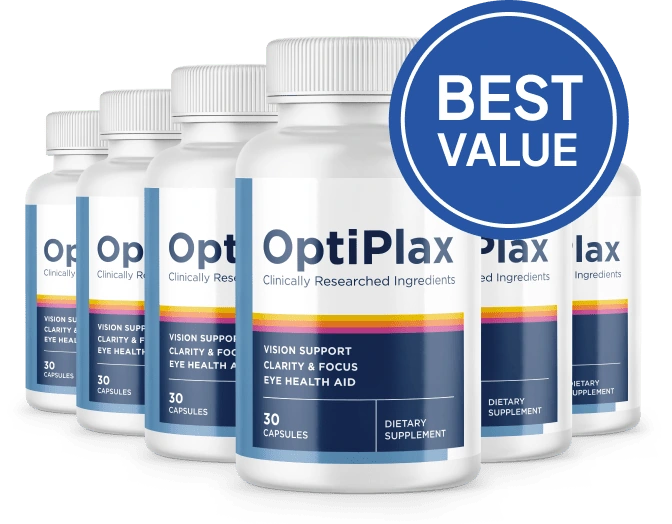
OptiPlax packs astaxanthin, fucoxanthin and seven more sea nutrients into one 500 mg capsule. The six-bottle bundle is the best value at $49 per bottle, with free U.S. shipping and a 60-day guarantee.
Order OptiPlax — from $49/bottleWhat should you look for on a label?
Not all marine-carotenoid products are equal. When you compare labels, a few details separate a considered formula from filler:
- Named sources — astaxanthin from Haematococcus pluvialis, fucoxanthin from a named kelp, not just “algae extract.”
- Standardization — a stated percentage such as 2% astaxanthin or 10% fucoxanthin, so the active amount is consistent.
- A clear serving size — how much blend per capsule, and how many capsules a day.
- Quality manufacturing — made in a GMP-certified, FDA-registered facility.
OptiPlax lists all of these on its panel: a 500 mg proprietary blend, named marine sources, standardized astaxanthin and fucoxanthin, one capsule per day, made in the USA under GMP.
Are they safe?
The seaweeds, algae and sea buckthorn in OptiPlax are foods, eaten in coastal cultures for centuries. As with any supplement, do not exceed the recommended dose. Because kelp naturally contains iodine, anyone with a thyroid condition — and anyone who is pregnant or nursing, under 18, or taking medication — should speak with a doctor before use.
Frequently asked questions
What is astaxanthin?
Astaxanthin is a deep-red carotenoid made by the microalga Haematococcus pluvialis. It is the pigment that gives salmon, shrimp and krill their colour, and it is one of the most studied antioxidants in nutrition and the headline active in OptiPlax.
What is fucoxanthin and where does it come from?
Fucoxanthin is the golden-brown carotenoid that colours brown seaweeds such as kelp and wakame. In OptiPlax it comes from a kelp extract (Laminaria japonica) standardized to 10% fucoxanthin, a marine antioxidant studied for general cellular wellness.
How do marine carotenoids support the eyes?
Carotenoids are the pigments marine plants use to protect themselves from intense light. As antioxidants, they help neutralise reactive molecules produced when light meets living tissue, which is why they are studied for the light-exposed tissues involved in vision.
Are the marine ingredients in OptiPlax safe?
The seaweeds, algae and sea buckthorn in OptiPlax are foods eaten for centuries in coastal diets. As with any supplement, do not exceed the recommended dose, and if you are pregnant, nursing, under 18, take medication or have a thyroid or other condition, ask your doctor first, since kelp contains iodine.
What should I look for on a marine-carotenoid label?
Look for named sources such as Haematococcus pluvialis for astaxanthin, a standardized fucoxanthin percentage, a clear serving size, and manufacturing in a GMP-certified, FDA-registered facility. OptiPlax lists all of these on its Supplement Facts panel.
How long do marine carotenoids take to work?
Carotenoids build up in the body gradually, so most people take them consistently for several weeks to a few months. They are a support to a nutrient-rich diet and good eye habits, not a quick fix, and individual results vary.
Try OptiPlax risk-free for 60 days →
OptiPlax is a dietary supplement, not a treatment for any medical condition. These statements have not been evaluated by the Food and Drug Administration. This product is not intended to diagnose, treat, cure or prevent any disease. Always consult a qualified healthcare professional about your individual needs.
References & further reading
- Examine.com. Astaxanthin — evidence-based summary. examine.com/supplements/astaxanthin
- Examine.com. Fucoxanthin. examine.com/supplements/fucoxanthin
- Examine.com. Spirulina. examine.com/supplements/spirulina
- National Institutes of Health, Office of Dietary Supplements. Iodine — Fact Sheet for Health Professionals. ods.od.nih.gov/factsheets/Iodine-HealthProfessional
- Hecht KA, et al. Astaxanthin (AstaReal) Improved Acute and Chronic Digital Eye Strain in Children: A Randomized Double-Blind Placebo-Controlled Trial. Advances in Therapy, 2025. pubmed.ncbi.nlm.nih.gov/40014233
- Donoso A, et al. Therapeutic uses of natural astaxanthin: an evidence-based review focused on human clinical trials. Pharmacological Research, 2021. pubmed.ncbi.nlm.nih.gov/33549728
- Miyashita K, et al. Nutraceutical characteristics of the brown seaweed carotenoid fucoxanthin. Archives of Biochemistry and Biophysics, 2020. pubmed.ncbi.nlm.nih.gov/32315653
These references describe the ingredients in general terms and do not constitute evidence that any product treats, cures or prevents any condition.
Keep reading: how to support healthy vision naturally · the best foods and nutrients for eye health · back to the OptiPlax blog · homepage.