Can supplements improve eyesight? An honest OptiPlax myth check
Updated August 2026. We are an independent information resource, not a medical provider; this article is educational, not medical advice.
Supplements cannot sharpen a healthy eye beyond its natural focus or cancel out a prescription — no pill re-shapes the eye or replaces your glasses. What good nutrition can genuinely do is supply the antioxidants and pigments your eyes use every day and help them stay comfortable and well nourished. That is the honest frame for this whole article, and it is exactly the role a daily habit like OptiPlax is built to play.
Can supplements improve eyesight? The honest version, in one place.
- The short answer
- No supplement gives sharper-than-normal sight or corrects a refractive error — but nutrition can support the tissues involved in vision and everyday eye comfort.
- The myth
- That carrots, vitamins or any capsule can replace glasses or deliver “eagle eyes.” They cannot.
- What is real
- Lutein, zeaxanthin, antioxidants and omega-3s help nourish and protect eye tissue gradually, over weeks to months.
- Where OptiPlax fits
- As one supporting daily habit alongside eye exams, screen breaks and UV protection — not a vision fix.
“Take this and you will not need glasses” is one of the supplement aisle’s most persistent promises, and it is worth clearing up honestly. This myth check separates what a pill cannot do from what nutrition can, and shows where a marine formula like OptiPlax belongs.
Can supplements improve eyesight, honestly?
Honestly, no supplement can improve eyesight in the sense most people mean — sharper focus, a weaker prescription, or vision better than your eyes are naturally capable of. How clearly you see at distance is mostly the eye’s optics: the shape of the eyeball and cornea and the flexibility of the lens. Those are structural, and no capsule changes them. What a supplement can do is contribute nutrients the eye’s tissues rely on. That distinction — between correcting sight and nourishing the eye — is where almost every myth falls apart.
The most-cited trial in this area studied progression risk in people who already had intermediate macular disease, and it did not test whether a supplement sharpens healthy eyesight (AREDS2 Research Group, JAMA, 2013). A systematic review of carotenoids in the same population reaches the same boundary (Lem DW et al., Antioxidants, 2021), and a review of human astaxanthin trials places its endpoints in comfort rather than acuity (Donoso A et al., Pharmacological Research, 2021).
Why does the “a pill sharpens sight” myth persist?
The myth persists because it stitches together true facts into one false promise. It is true that severe deficiencies of certain nutrients — vitamin A is the classic example — can harm vision, and correcting a real deficiency restores what was lost. It is also true that the eye is packed with antioxidants and light-filtering pigments from food. Marketing extends those facts into “more nutrient equals better-than-normal sight,” which does not follow. Fixing a shortage is not the same as pushing a well-nourished eye past its limits.

Can vitamins improve vision or replace glasses?
Vitamins cannot replace glasses, because blurry distance or near vision is almost always a refractive error — short-sightedness, long-sightedness or astigmatism — an optical mismatch a lens corrects, not a nutritional gap a vitamin fills. If your world looks soft-edged without correction, the fix is an eye exam and the right prescription. That said, specific nutrients do have a legitimate, well-studied role, so it is worth being precise about what each one actually supports.
| Nutrient | What it realistically supports | What it does NOT do |
|---|---|---|
| Vitamin A | Normal function of the retina and low-light vision; correcting a true deficiency restores lost function. | Give better-than-normal night vision if you are not deficient. |
| Lutein & zeaxanthin | Concentrate in the macula and help filter high-energy light; nourish macular tissue over time. | Change your prescription or instantly sharpen focus. |
| Vitamins C & E, zinc | Everyday antioxidant and mineral support studied within general eye nutrition. | Reverse a refractive error or replace glasses. |
| Omega-3 fats | Part of the retina and tear film; associated with surface comfort in general nutrition. | Cure dry eye disease or correct blurry sight. |
| Astaxanthin | A marine carotenoid antioxidant studied for the light-exposed tissues involved in vision. | Deliver “eagle eyes” or treat any eye disease. |
Read across that table and a pattern emerges: every nutrient has a supportive job, and none corrects sight. For a deeper look at the marine pigments, see our explainer on astaxanthin and marine carotenoids for eyes, or the guide to eye vitamins versus marine carotenoids.

Support, not a shortcut
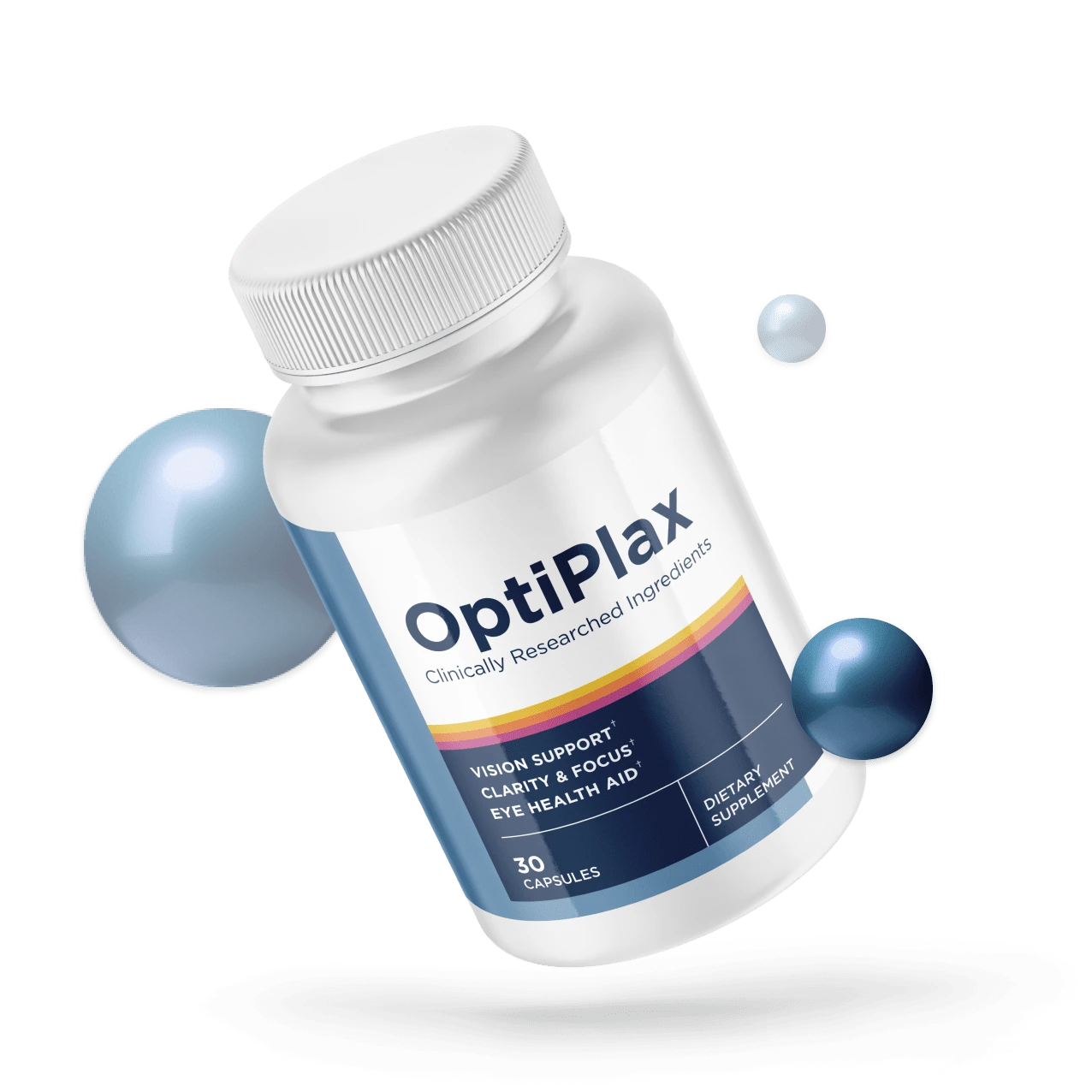
OptiPlax is a once-daily capsule pairing astaxanthin with a 500 mg marine blend — a nutrition habit, not a vision promise. See the exact dose in OptiPlax and the full label before you decide.
See the exact dose in OptiPlax — from $49/bottleWhat are the most common supplements-and-eyesight myths?
The most common myths share one flaw: they promise a fast, dramatic change to how you see. Naming them plainly makes them easy to spot on any label.
Myth 1: “Carrots will give you perfect vision”
Carrots supply beta-carotene, which the body converts to vitamin A, and vitamin A matters for normal vision. But if you already get enough — as most people on a varied diet do — more carrots will not upgrade healthy eyes to superhuman sharpness. The wartime origin of this idea was, fittingly, propaganda.
Myth 2: “The right pill lets you ditch your glasses”
No nutrient re-shapes the cornea or lens, so none can undo the optical mismatch glasses correct. Keep wearing your prescription; a supplement sits alongside it, never in place of it.
Myth 3: “You will see the difference in a few days”
Nutrition works quietly. Pigments like lutein and zeaxanthin build in eye tissue gradually, and any supportive effect of a daily routine is measured in weeks to months, not mornings. A product promising overnight sharpening is promising something nutrition cannot deliver.
What results are realistic from an eye supplement?
Realistic results from an eye supplement are gradual, supportive and personal — think steadier everyday comfort and well-nourished tissue over time, not a line on the eye chart. Here is a plain-language look at what nutrition-based support tends to deliver versus the myths.
| Expectation | Myth version | Realistic version |
|---|---|---|
| Sharpness | Better-than-normal “eagle eyes” | No change to focus; nutrition supports tissue, not optics |
| Prescription | Ditch your glasses | Keep your glasses and your eye exams |
| Timeframe | A few days | Weeks to a few months of consistent use |
| Comfort | Instant relief from all strain | May feel more comfortable, especially with good screen habits |
| Certainty | Guaranteed for everyone | Individual results vary; nutrition is one factor among many |
How should you actually judge an eye supplement?
The best way to judge an eye supplement is by its ingredients, doses and honesty — not by how bold its claims are. A trustworthy product frames itself as support rather than a cure. When you compare options, weigh them against a short checklist:
That judgement is easier with the broader verdict in hand: do eye supplements really work weighs the whole category against the trial record, and does astaxanthin really improve eyesight applies the same test to the marine carotenoid this site writes about most.
- Named, dosed ingredients — each nutrient and its amount is visible, not a numberless “proprietary blend.”
- Studied nutrients — lutein, zeaxanthin, omega-3s or marine carotenoids.
- Honest language — support and comfort, not disease, cure or “throw away your glasses” claims.
- Sensible expectations — weeks and months, plus a reminder to keep regular eye exams.
- A guarantee — a fair return window so you can try it without betting the outcome.
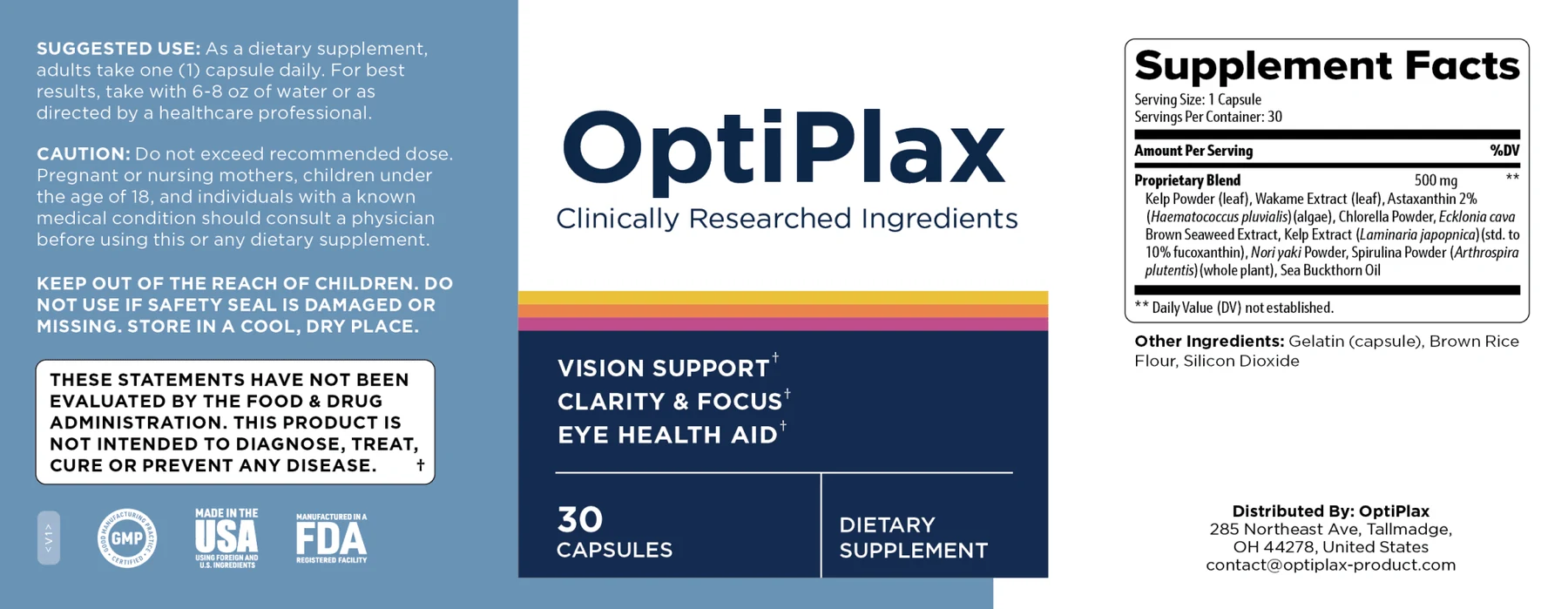
OptiPlax is built to pass that checklist: astaxanthin from Haematococcus pluvialis plus a 500 mg blend of fucoxanthin-rich kelp, wakame, chlorella, spirulina and sea buckthorn oil, in one daily capsule, described as everyday nourishment rather than a vision fix. Read the full breakdown in our OptiPlax review.
Where do supplements fit within real eye care?
Supplements fit at the edges of eye care, not at the center — one supporting habit layered on top of the things that matter most. The foundation is professional: routine eye exams catch refractive changes and real conditions early, and your optometrist’s advice always outranks any label. Around that sit the everyday levers that influence comfort — the 20-20-20 rule, UV-blocking sunglasses, decent sleep and a colourful plate. A daily supplement is the smallest lever of the set. For the full routine, see our guide to supporting healthy vision naturally.
Check today’s OptiPlax pricing →
When should you see an eye doctor instead of reaching for a supplement?
You should see an eye-care professional — not a supplement — whenever your vision itself changes. Book a routine exam on the schedule your optometrist recommends, and seek care promptly if you notice sudden vision changes, new flashes or floaters, persistent pain or redness, or any loss of vision. No supplement, OptiPlax included, is a substitute for that. Nutrition is background support; professional eye care is the safety net.
Frequently asked questions
Can supplements improve eyesight?
No supplement sharpens a healthy eye’s focus or reverses a refractive error such as short-sightedness, so it will not replace glasses. What good nutrition can do is supply the antioxidants and pigments the eye uses every day and help it stay comfortable. Supplements support that job; they are not a vision fix and not a treatment for any eye disease.
Can vitamins improve vision if my prescription is blurry?
If your distance vision is blurry, that is usually a refractive error corrected with glasses, contacts or a professional eye exam, not something a vitamin can change. Vitamins A, C and E, zinc, lutein and zeaxanthin support the tissues involved in vision, but they do not alter the shape of the eye or your prescription.
What are the biggest supplements-and-eyesight myths?
The main myths are that carrots or any pill will give you sharper-than-normal sight, that a supplement can cancel out a prescription, and that results appear within days. In reality nutrition works quietly over weeks to months to support eye tissue, and everyday habits like screen breaks and UV protection do more for comfort than any single capsule.
What results are realistic from an eye supplement like OptiPlax?
Realistic expectations are gradual, supportive and personal: a nutrient-rich routine may help your eyes feel more comfortable and well nourished over several weeks to a few months. OptiPlax is a once-daily marine-carotenoid habit to support that, not a promise of sharper eyesight, and individual results vary.
Do lutein and zeaxanthin actually help the eyes?
Lutein and zeaxanthin are carotenoids that concentrate in the macula and help filter high-energy light, and they are among the most studied nutrients in eye health. The evidence supports their role in nourishing and protecting macular tissue over time rather than instantly improving how clearly you see.
Should I stop wearing glasses if I take an eye supplement?
No. A supplement does not correct a refractive error, so you should keep wearing your prescribed glasses or contacts and keep your routine eye exams. Think of a supplement as one supporting habit within good eye care, never a replacement for it.
Make OptiPlax your daily support habit — try it risk-free for 60 days →
OptiPlax is a dietary supplement, not a treatment for any medical condition. These statements have not been evaluated by the Food and Drug Administration. This product is not intended to diagnose, treat, cure or prevent any disease. Always consult a qualified healthcare professional about your individual needs.
References & further reading
- National Eye Institute (NIH). Keep Your Eyes Healthy. nei.nih.gov/learn-about-eye-health/healthy-vision
- National Eye Institute (NIH). Age-Related Eye Disease Studies (AREDS/AREDS2). nei.nih.gov/research/clinical-trials/areds-areds2
- National Center for Complementary and Integrative Health (NCCIH). Antioxidants. nccih.nih.gov/health/antioxidants-in-depth
- NIH Office of Dietary Supplements. Vitamin A and Carotenoids — Fact Sheet for Health Professionals. ods.od.nih.gov/factsheets/VitaminA-HealthProfessional
- Examine.com. Lutein — evidence-based summary. examine.com/supplements/lutein
- Mayo Clinic. Nearsightedness — symptoms and causes. mayoclinic.org/diseases-conditions/nearsightedness
- Age-Related Eye Disease Study 2 Research Group. Lutein + zeaxanthin and omega-3 fatty acids for age-related macular degeneration: the AREDS2 randomized clinical trial. JAMA, 2013. pubmed.ncbi.nlm.nih.gov/23644932
- Lem DW, et al. A Systematic Review of Carotenoids in the Management of Age-Related Macular Degeneration. Antioxidants, 2021. pubmed.ncbi.nlm.nih.gov/34439503
- Donoso A, et al. Therapeutic uses of natural astaxanthin: an evidence-based review focused on human clinical trials. Pharmacological Research, 2021. pubmed.ncbi.nlm.nih.gov/33549728
These references describe the ingredients and habits in general terms and do not constitute evidence that any product treats, cures or prevents any condition.
Keep reading: the best foods and nutrients for eye health · how to support healthy vision naturally · back to the OptiPlax blog · homepage.