Eye vitamins vs marine carotenoids: how OptiPlax compares
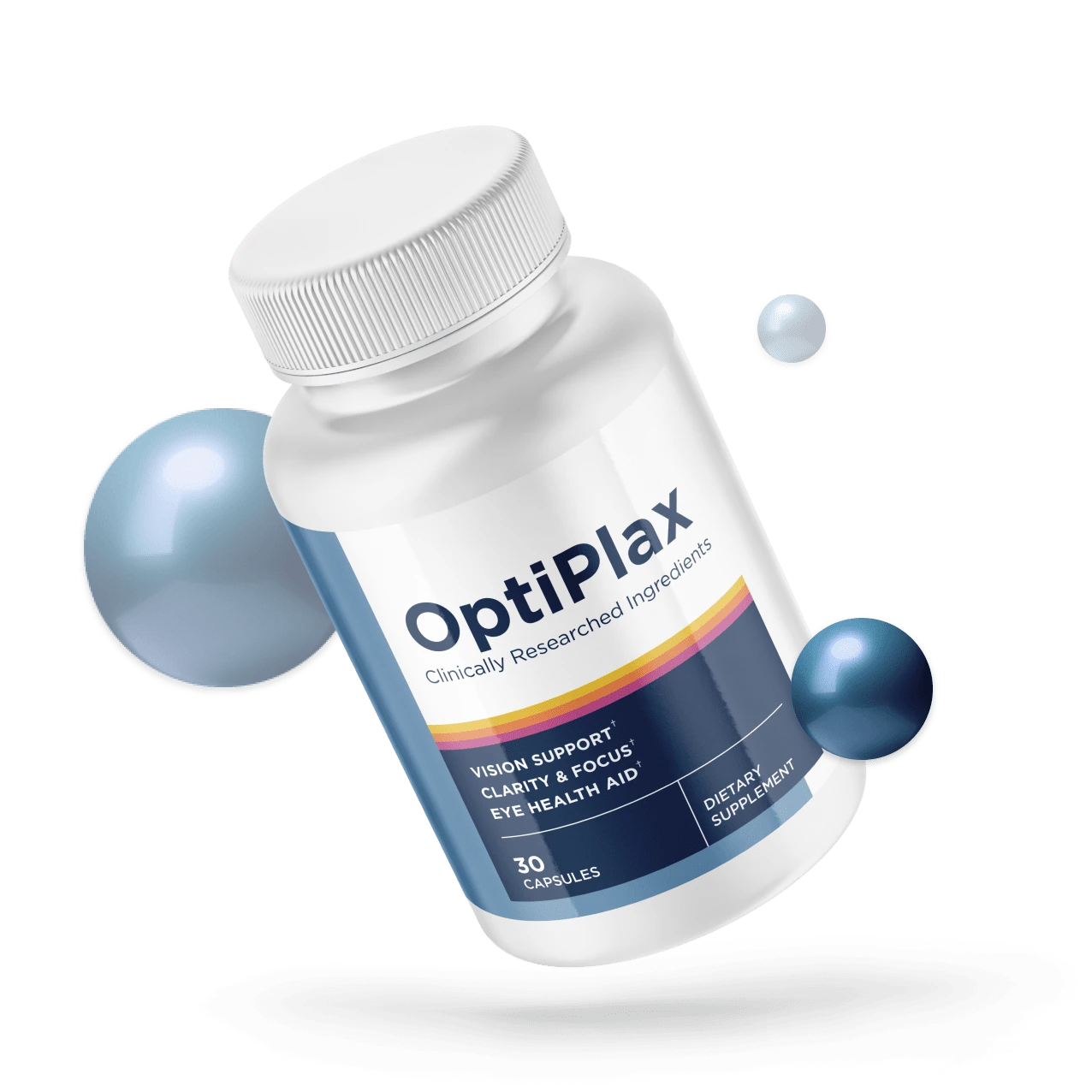
Updated September 2026 · reviewed by the OptiPlax Research Team. We are an independent information resource, not a medical provider, and this article is educational rather than medical advice.
Eye vitamins and marine carotenoids are two different answers to the same question — how do you feed the eye the nutrients it uses every day? Conventional eye vitamins bundle isolated nutrients such as vitamin A, C, E and zinc, while marine carotenoids like astaxanthin and fucoxanthin are antioxidant pigments drawn from algae and seaweed. This guide compares the two honestly, shows exactly where a whole-food marine formula like OptiPlax fits, and never pretends one is a cure or a stand-in for professional eye care.
Eye vitamins versus marine carotenoids, decided in one box.
- The short version
- Eye vitamins are isolated nutrients (vitamin A, C, E, zinc, sometimes lutein) in a standard blend; marine carotenoids are sea-sourced antioxidant pigments (astaxanthin, fucoxanthin) in a more whole-food form.
- What OptiPlax is
- A marine-carotenoid formula — astaxanthin plus a 500 mg blend of kelp, wakame, chlorella, spirulina and sea buckthorn oil. It is not a conventional A-C-E-zinc multivitamin.
- Which is better
- Neither universally. Standard antioxidant-zinc blends are the best-studied; marine carotenoids are a smaller, growing field. Many people combine them.
- The honest caveat
- Both are dietary supplements, not treatments for any eye disease, and neither replaces a routine eye exam.
Walk down the eye-care aisle and you meet two very different bottles: one lists a column of vitamins and minerals in milligrams, the other names algae, kelp and a single striking pigment. They come from opposite ends of nutrition philosophy — the isolated-nutrient tradition and the whole-food marine tradition — so let us take each in turn before putting them side by side.
What is the difference between eye vitamins and marine carotenoids?
The core difference is form and philosophy: eye vitamins deliver isolated, standardised nutrients, while marine carotenoids deliver antioxidant pigments in a more whole-food matrix from the sea. A conventional eye-vitamin blend is precise doses of vitamin A, C, E, zinc and copper, often modelled on the large antioxidant-and-zinc formulas studied by the National Eye Institute. A marine-carotenoid formula instead concentrates pigments such as astaxanthin and fucoxanthin from microalgae and seaweed, alongside the compounds nature packaged with them. Both aim to supply what the eye uses; they simply disagree on whether nutrients work best isolated or in company.
What are conventional eye vitamins?
Conventional eye vitamins are standardised blends of isolated vitamins and minerals chosen for their role in general eye nutrition. They are the familiar, well-established category, with a reputation built on some of the largest nutrition trials ever run on the eye.
Which nutrients do standard eye formulas contain?
Most conventional formulas draw from the same short list, each nutrient included for a specific, general reason:
- Vitamin A — part of the light-sensing chemistry of the retina; the classic "carrots for eyesight" nutrient.
- Vitamin C and vitamin E — everyday antioxidants that appear throughout the body's tissues.
- Zinc and copper — minerals involved in moving vitamin A and in general antioxidant enzyme activity.
- Lutein and zeaxanthin — plant carotenoids that concentrate in the macula, increasingly added to premium blends.
The strength of this approach is precision and evidence: you know the exact milligram of each nutrient, backed by well-documented research. The limitation is that isolated high doses are not automatically better, and a few nutrients — vitamin A and zinc in particular — carry upper limits you should not exceed casually.
What are marine carotenoids, and what makes them different?
Marine carotenoids are antioxidant pigments produced by algae, seaweed and the sea creatures that eat them, and their defining feature is potent antioxidant activity in a whole-food form. Carotenoids are the yellow, orange and red pigments that colour much of the natural world, and the marine branch of the family includes two that draw the most research attention for the eye.
How do astaxanthin and fucoxanthin work?
Astaxanthin is the deep-red pigment that makes salmon and shrimp pink, produced by the microalga Haematococcus pluvialis as a shield against light and oxidative stress. It is studied as a lipid-soluble antioxidant that distributes into fatty tissues, which is why it interests researchers looking at the light-exposed structures of the eye. Fucoxanthin is the golden-brown pigment of kelp and brown seaweeds, investigated more for general cellular wellness. Neither is a macular pigment the way lutein and zeaxanthin are, and neither is a treatment for eye disease — but as whole-food antioxidants they are a genuinely different contribution from the sea.
How does OptiPlax approach eye nutrition?
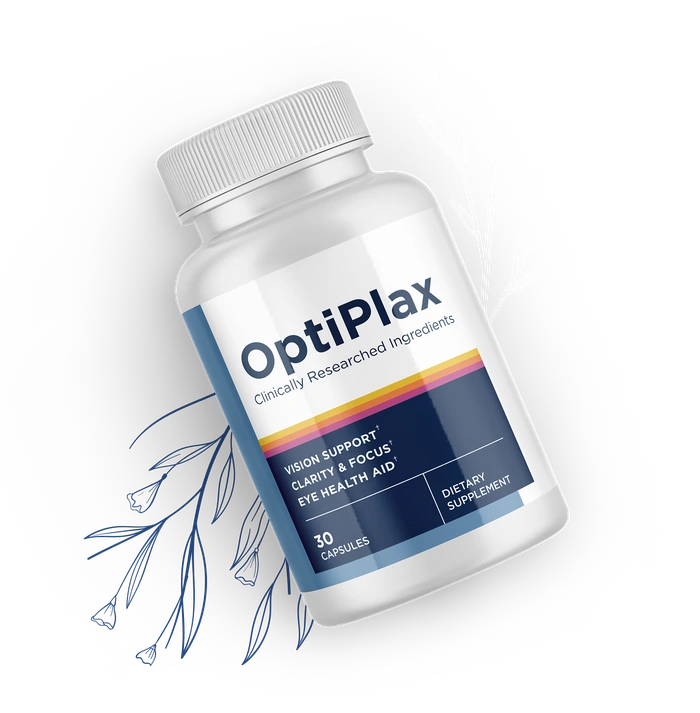
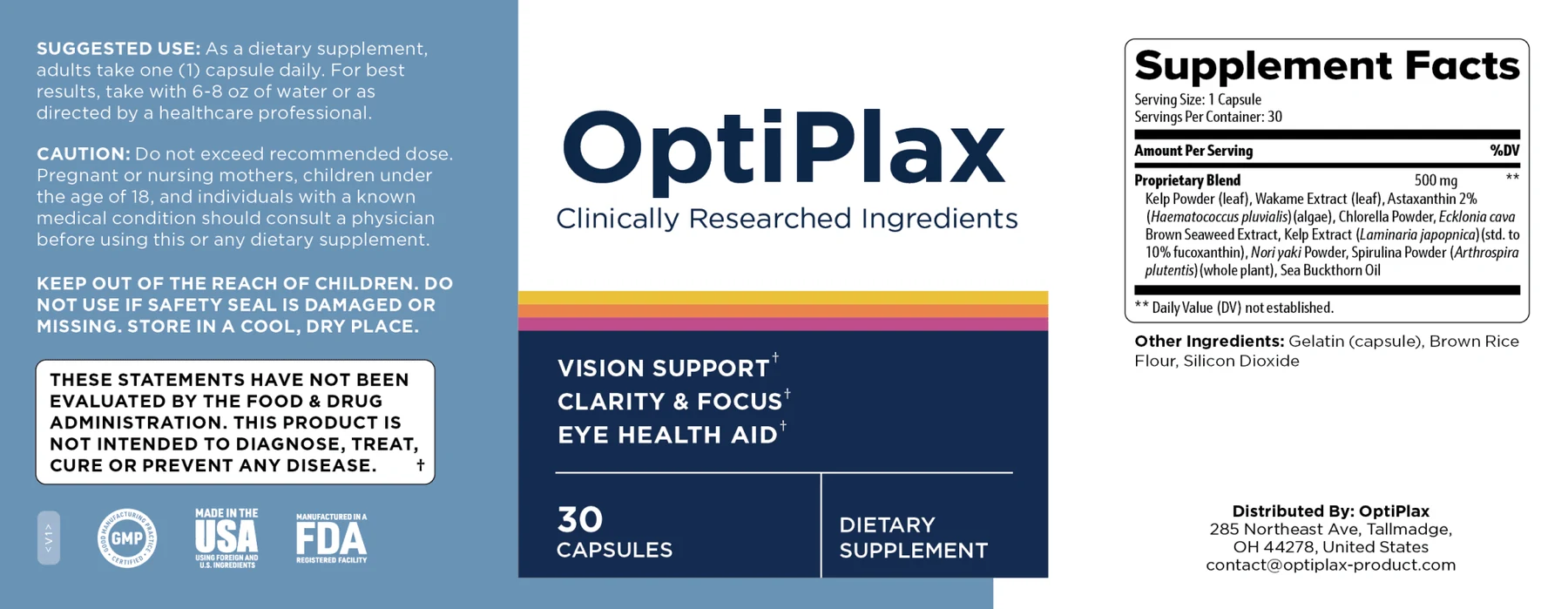
OptiPlax deliberately sits in the marine-carotenoid camp, not the conventional multivitamin camp. It does not contain a standard vitamin A, C, E and zinc panel. Instead, one daily capsule pairs astaxanthin from Haematococcus pluvialis with a 500 mg marine blend of fucoxanthin-rich kelp, wakame, chlorella, spirulina and sea buckthorn oil. The philosophy is whole-food: supply carotenoids in the company of the algae and seaweed they come from, rather than as a single isolated molecule at a mega-dose.
So OptiPlax is best understood as a complement to a good diet, not a replacement for a full eye-vitamin panel. If your doctor recommended a specific vitamin-and-mineral formula, OptiPlax does not substitute for it — it offers a different, marine slice of the carotenoid picture. You can read the exact make-up in our full OptiPlax review or the ingredients section, and our companion piece on astaxanthin and marine carotenoids for eyes goes deeper on the science.
See the exact dose in OptiPlax
Want the real numbers behind the marine-carotenoid approach? The label lists the astaxanthin dose and the full 500 mg blend of kelp, wakame, chlorella, spirulina and sea buckthorn oil — one capsule a day.
See the exact dose in OptiPlax →Eye vitamins vs marine carotenoids: a side-by-side comparison
The clearest way to weigh the two is to line them up on the questions people actually ask — what is in them, how they are studied, and how they are best used. The table below does exactly that.
| Feature | Conventional eye vitamins | Marine carotenoids (e.g. OptiPlax) |
|---|---|---|
| Typical contents | Vitamin A, C, E, zinc, copper, sometimes lutein & zeaxanthin | Astaxanthin, fucoxanthin and whole marine plants (kelp, wakame, chlorella, spirulina) |
| Form | Isolated, standardised nutrients | Whole-food pigments in their natural matrix |
| Main idea | Precise doses of known eye nutrients | Antioxidant carotenoids from the sea |
| Evidence base | Large, well-established antioxidant-and-zinc trials | Smaller but growing antioxidant research |
| Upper-limit caution | Vitamin A and zinc have real ceilings | Food-level carotenoids; still confirm with your doctor |
| Best used as | A targeted vitamin-mineral top-up | A daily antioxidant complement to diet |
Notice that the two columns overlap very little. That is the practical headline of this whole comparison: eye vitamins and marine carotenoids are not really rivals fighting over the same nutrients — they occupy different parts of the plate. A conventional blend answers the question "am I short on a specific vitamin or mineral?", while a marine formula answers "am I getting enough antioxidant carotenoids from the sea, which most Western diets barely include?" Seen that way, the choice is less a contest and more a matter of which gap you are trying to close.
Which approach is right for you?
The right choice depends less on which is "stronger" and more on what your diet already provides and what your eye-care professional advises. A diet low in the A-C-E-zinc group points toward a conventional formula; a diet rich in vegetables but light on marine foods points toward the carotenoid side. Use the quick guide below to place yourself.
Whichever way you lean, the buying criteria stay the same, and what to look for in a vision supplement sets out the dose, sourcing and guarantee questions that actually decide it.
| If you... | Consider | Why |
|---|---|---|
| Eat few fruits and vegetables | A conventional eye-vitamin blend | Fills isolated vitamin and mineral gaps directly |
| Rarely eat seaweed, algae or oily fish | A marine-carotenoid formula like OptiPlax | Adds antioxidant pigments most Western diets lack |
| Already take a multivitamin | Marine carotenoids, to fill a different gap | Avoids doubling up on vitamin A and zinc |
| Want the most-studied option | A standard antioxidant-and-zinc blend | Backed by the largest eye-nutrition trials |
| Prefer a whole-food philosophy | OptiPlax's marine blend | Nutrients delivered in their natural matrix |
Can you combine eye vitamins and marine carotenoids?
In many cases yes, precisely because they overlap so little — one supplies isolated vitamins and minerals, the other marine antioxidant pigments. The caution is arithmetic: vitamin A and zinc have upper limits, so if you already take a multivitamin or a dedicated eye formula, add up the combined totals and ask a doctor or pharmacist before stacking products. Marine carotenoids like those in OptiPlax sit at food-level intakes and pair cleanly with most diets.

Check today's OptiPlax pricing
If the marine-carotenoid approach fits your diet, OptiPlax is a once-daily capsule pairing astaxanthin with a 500 mg sea blend. The six-bottle bundle is the best value at $49 per bottle, with free U.S. shipping and a 60-day guarantee.
Check today's OptiPlax pricing — from $49/bottleWhat does the evidence actually say?
Honesty matters most here: the evidence for conventional antioxidant-and-zinc formulas is far larger than the evidence for marine carotenoids, and neither proves any supplement treats or prevents eye disease. The big antioxidant-and-zinc trials remain the reference point in eye nutrition. Marine carotenoids such as astaxanthin have a smaller, younger research base focused on antioxidant activity and eye comfort, with promising but less conclusive findings. Anyone claiming a supplement will cure, reverse or prevent an eye condition is overstating what either category can do. Both are nutritional support around a good diet and regular eye exams — not medicine.
Conventional eye vitamins hold the deeper trial record: AREDS2 tested lutein and zeaxanthin in thousands of participants with macular endpoints (AREDS2 Research Group, JAMA, 2013), and later systematic review work builds on it (Lem DW et al., Antioxidants, 2021). Marine carotenoids have nothing on that scale, and fucoxanthin’s literature in particular remains largely biochemical (Miyashita K et al., Archives of Biochemistry and Biophysics, 2020).
When should you talk to an eye doctor?
Supplements of any kind support everyday nutrition; they never replace professional eye care. Book routine eye exams on the schedule your optometrist recommends, and seek advice promptly if you notice sudden vision changes, flashes or floaters, persistent pain or redness, or any loss of vision. Speak to a clinician before starting a new supplement if you are pregnant, nursing, taking medication, or already using a vitamin A or zinc product.
Frequently asked questions
What is the difference between eye vitamins and marine carotenoids?
Conventional eye vitamins are usually isolated nutrients such as vitamin A, vitamin C, vitamin E, zinc and sometimes lutein, combined in a standardised blend. Marine carotenoids are antioxidant pigments from sea sources like microalgae and seaweed — astaxanthin and fucoxanthin — often delivered in a more whole-food form. They are two philosophies of the same goal: feeding the eye the nutrients it uses every day.
Does OptiPlax contain vitamin A or a standard eye-vitamin blend?
No. OptiPlax is not a conventional multivitamin. It is built around marine carotenoids — astaxanthin from Haematococcus pluvialis plus a 500 mg blend of fucoxanthin-rich kelp, wakame, chlorella, spirulina and sea buckthorn oil. If your goal is a full A-C-E-zinc vitamin panel, OptiPlax is a different, complementary approach rather than a replacement.
Are marine carotenoids better than regular eye vitamins?
Neither is universally better; they answer different questions. Large trials on standard antioxidant-and-zinc formulas are among the best-studied in eye nutrition, while marine carotenoids like astaxanthin have a smaller but growing body of research focused on antioxidant activity. Many people find the two complement each other, and neither is a treatment for eye disease.
Can I take eye vitamins and OptiPlax together?
Often yes, because they overlap little — one supplies isolated vitamins and minerals, the other supplies marine antioxidant carotenoids. That said, some nutrients such as vitamin A and zinc have upper limits, so if you already take a multivitamin or an eye-specific formula, check the combined totals and ask your doctor or pharmacist before stacking products.
How long do marine carotenoids take to build up?
Fat-soluble carotenoids accumulate gradually, so most people take them daily for several weeks to a few months before judging how their eyes feel. This slow build is why marine formulas are usually bought as a multi-month supply rather than a single bottle, and individual results vary.
Do marine carotenoids replace lutein and zeaxanthin?
Not exactly. Lutein and zeaxanthin are the carotenoids that concentrate in the macula, and they come mainly from greens, corn and egg yolk. Astaxanthin and fucoxanthin are different marine carotenoids studied more for general antioxidant activity. A varied diet supplies lutein and zeaxanthin, and a marine formula like OptiPlax adds a different slice of the carotenoid family.
Try the marine approach — OptiPlax risk-free for 60 days →
OptiPlax is a dietary supplement, not a treatment for any medical condition. These statements have not been evaluated by the Food and Drug Administration. This product is not intended to diagnose, treat, cure or prevent any disease. Always consult a qualified healthcare professional about your individual needs.
References & further reading
- National Eye Institute (NIH). Age-Related Eye Disease Studies (AREDS/AREDS2). nei.nih.gov/research/clinical-trials/aredsareds2
- National Institutes of Health, Office of Dietary Supplements. Vitamin A and Carotenoids — Fact Sheet. ods.od.nih.gov/factsheets/VitaminA-HealthProfessional
- Examine.com. Astaxanthin — evidence-based summary. examine.com/supplements/astaxanthin
- Miyashita K, et al. Nutraceutical characteristics of the brown seaweed carotenoid fucoxanthin. Archives of Biochemistry and Biophysics, 2020. pubmed.ncbi.nlm.nih.gov/32315653
- National Center for Complementary and Integrative Health (NCCIH). Antioxidants — In Depth. nccih.nih.gov/health/antioxidants-in-depth
- Age-Related Eye Disease Study 2 Research Group. Lutein + zeaxanthin and omega-3 fatty acids for age-related macular degeneration: the AREDS2 randomized clinical trial. JAMA, 2013. pubmed.ncbi.nlm.nih.gov/23644932
- Lem DW, et al. A Systematic Review of Carotenoids in the Management of Age-Related Macular Degeneration. Antioxidants, 2021. pubmed.ncbi.nlm.nih.gov/34439503
These references describe the ingredients and nutrient categories in general terms and do not constitute evidence that any product treats, cures or prevents any condition.
Keep reading: how astaxanthin and marine carotenoids work · the best foods and nutrients for eye health · how to support healthy vision naturally · back to the OptiPlax blog · homepage.