Lutein vs astaxanthin for eyes: how OptiPlax compares the two carotenoids
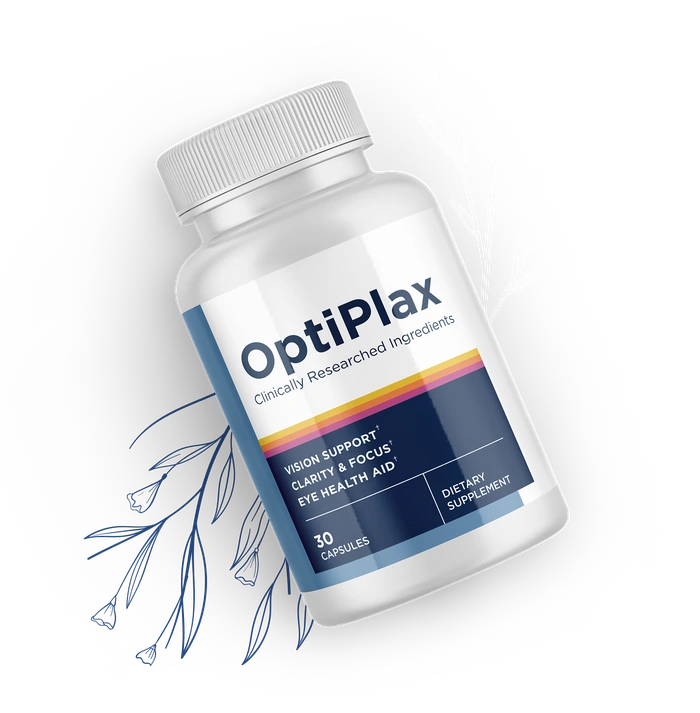
Updated August 2026 · reviewed by the OptiPlax Research Team. We are an independent information resource, not a medical provider, and this article is educational rather than medical advice.
Lutein vs astaxanthin for eyes comes down to two different jobs: lutein is a yellow plant carotenoid that physically builds up in the macula, while astaxanthin is a red marine carotenoid valued as a broad antioxidant across light-exposed tissue. They are cousins in the carotenoid family, but they are not interchangeable — and OptiPlax is built on the marine side of that split.
The honest, plain-English version of the lutein-versus-astaxanthin question.
- Lutein
- A dietary macular carotenoid from leafy greens, corn and egg yolk that concentrates in the retina and helps filter high-energy light.
- Astaxanthin
- A marine carotenoid from algae, salmon and krill studied as a general antioxidant for hard-working, light-exposed eyes.
- Better?
- Neither — they do different jobs, and the evidence is strongest for lutein in the macula and promising but earlier for astaxanthin.
- Where OptiPlax fits
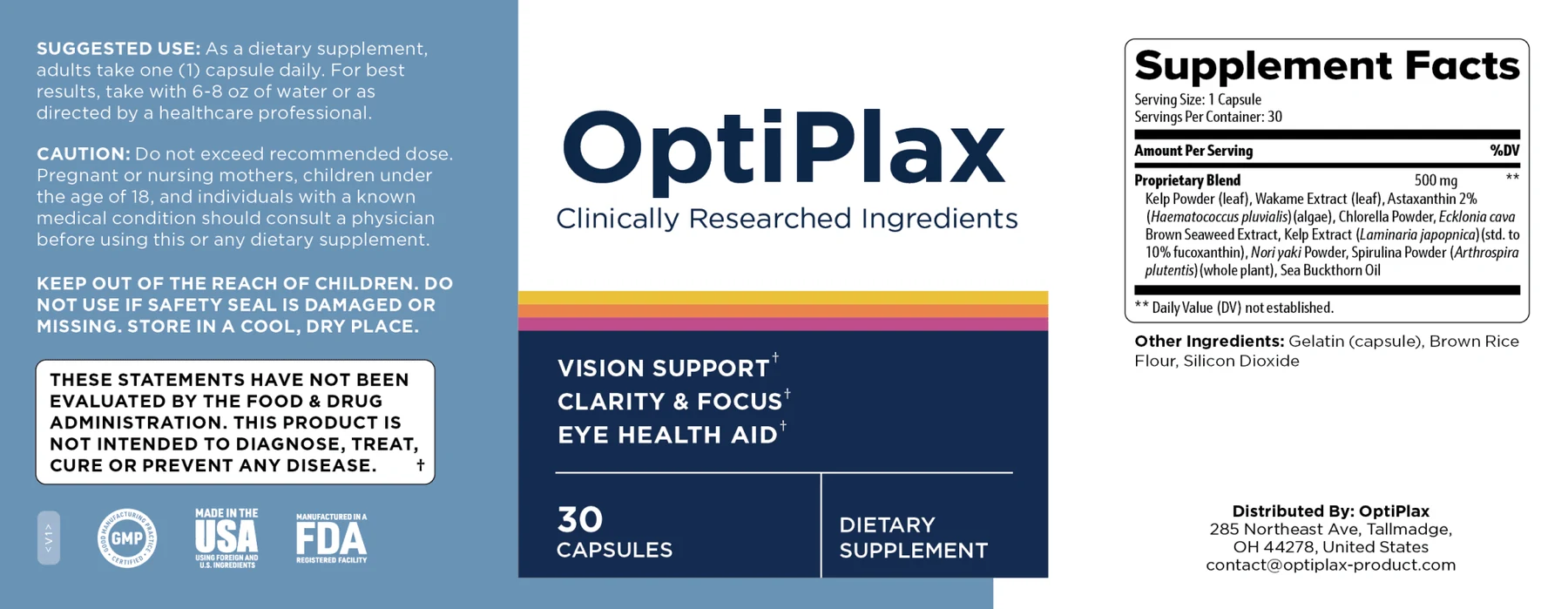
- OptiPlax uses marine carotenoids — astaxanthin plus a sea-plant blend — and contains no lutein, so it complements a greens-rich diet rather than replacing it.
Both carotenoids appear in almost every eye-nutrition conversation, so it is easy to assume they are rivals. In practice they occupy different corners of the same field. This guide explains what each one is, where it comes from, how it behaves in the eye, and — honestly — where OptiPlax fits.
What is the difference between lutein and astaxanthin?
The difference between lutein and astaxanthin is one of role and origin: lutein is a macular pigment sourced from plants, while astaxanthin is a membrane-spanning antioxidant sourced from the sea. Both belong to the xanthophyll branch of the carotenoid family, which means they carry oxygen atoms that make them more comfortable in the watery, membrane-rich environment of living tissue than the pure orange carotenes such as beta-carotene.
What is lutein?
Lutein is a yellow carotenoid that the retina actively pulls in and stores in the macula, the small central patch responsible for sharp, detailed vision. Alongside its partner zeaxanthin, it forms what researchers call the macular pigment — a natural filter that absorbs some of the blue light entering the eye and provides antioxidant cover exactly where the eye works hardest. The body cannot manufacture lutein, so every microgram comes from food or a supplement.
What is astaxanthin?
Astaxanthin is a red-pink carotenoid produced by microalgae such as Haematococcus pluvialis, which is what gives salmon, shrimp and flamingos their colour. Unlike lutein, astaxanthin is not stockpiled in the macula. Instead its notable feature is structural: it can sit across a cell membrane with one end in the watery interior and one end in the fatty exterior, letting it act as an antioxidant on both sides at once. That is why it is often described as a whole-cell rather than a macula-specific nutrient.
Where do lutein and astaxanthin come from?
Lutein comes mainly from land plants, while astaxanthin comes almost entirely from the marine food chain. That single fact explains a lot about how easy each one is to get and why supplements for them look so different.
Lutein is abundant in an everyday diet: spinach, kale, sweetcorn, egg yolk and orange peppers all contribute. Astaxanthin is far scarcer, concentrated in wild salmon, trout, krill and the algae at the base of the ocean food web, and portion for portion those foods deliver only small amounts. For most people, reaching a research-style astaxanthin intake through diet alone is difficult — the gap a concentrated marine supplement is designed to fill.
| Feature | Lutein | Astaxanthin |
|---|---|---|
| Colour | Yellow | Red-pink |
| Main source | Leafy greens, corn, egg yolk | Marine algae, salmon, krill |
| Where it acts | Stored in the macula | Across cell membranes, body-wide |
| Signature role | Macular pigment & blue-light filter | Broad antioxidant |
| Easy from food? | Yes, with greens | Harder — marine foods only |
| In OptiPlax? | No | Yes |
See the exact astaxanthin dose in OptiPlax →
How do lutein and astaxanthin behave in the eye?
In the eye, lutein works by staying put while astaxanthin works by moving through. Lutein and zeaxanthin migrate to the macula and stay there, thickening the macular pigment layer over weeks and months of steady intake. A denser macular pigment is associated in observational research with a naturally better-defended central retina, which is why lutein dominates the classic eye-nutrition studies.
Astaxanthin’s behaviour makes more sense once you have seen the wider family it belongs to, and how marine carotenoids support eye health explains why sea-grown pigments are built for light exposure in the first place.
Astaxanthin behaves differently. It is not concentrated in the macula in the same way, so its interest for the eye is framed around general antioxidant activity and, in some small trials, around eye strain and fatigue in heavy screen users. That evidence is younger and thinner than the lutein literature, so astaxanthin is best called a promising area of study rather than a settled one.
Lutein vs astaxanthin: which is better for your eyes?
There is no honest winner in the lutein-versus-astaxanthin contest, because the two carotenoids answer different questions. If your goal is to build macular pigment, lutein and zeaxanthin have the deepest evidence base and the clearest mechanism. If your interest is broad antioxidant support for eyes that are working hard under bright light or screens, astaxanthin is the more studied marine option. Most balanced diets should include lutein by default, and many people treat astaxanthin as an add-on rather than a substitute.
| If your priority is… | Lean toward | Why |
|---|---|---|
| Building macular pigment | Lutein & zeaxanthin | Strongest, longest-running evidence in the macula. |
| Broad antioxidant cover | Astaxanthin | Membrane-spanning antioxidant studied body-wide. |
| Screen-heavy days | Astaxanthin | Small trials on eye strain and fatigue, evidence still early. |
| Getting it from food | Lutein | Abundant in greens, corn and egg yolk. |
| A concentrated marine top-up | Astaxanthin | Scarce in food, so a supplement makes sense. |

Prefer the marine side of the comparison?
OptiPlax pairs astaxanthin with a 500 mg blend of kelp, wakame, chlorella and spirulina in one daily capsule — no lutein, just concentrated marine carotenoids. The six-bottle bundle is the best value at $49 per bottle, with free U.S. shipping.
Check today's OptiPlax pricing — from $49/bottleWhich carotenoid does OptiPlax use — and why?
OptiPlax uses marine carotenoids led by astaxanthin, and it deliberately does not contain lutein. The formula pairs astaxanthin with a 500 mg sea-plant blend of kelp, wakame, chlorella and spirulina, concentrating the antioxidants that are hardest to obtain from an ordinary diet. The reasoning is simple: lutein is already reachable through greens, corn and eggs, while astaxanthin is not, so OptiPlax focuses on the gap.
This is worth stating plainly, because some shoppers assume every eye supplement is a lutein product. OptiPlax is not. To raise macular pigment, you would look to lutein and zeaxanthin from food or a dedicated macular formula. If you want a convenient, once-daily source of marine antioxidants to sit alongside that diet, OptiPlax is designed for exactly that role. You can see the full breakdown in the ingredients section or in our deep dive on astaxanthin and marine carotenoids.
Can you take lutein and astaxanthin together?
Yes — lutein and astaxanthin are different carotenoids with no known conflict, and combining them is common. A practical approach is to get lutein and zeaxanthin from a colourful, greens-rich diet (or a dedicated macular supplement) and to use a marine astaxanthin product such as OptiPlax as the antioxidant top-up. Because the two nutrients concentrate in different places and work by different mechanisms, they complement rather than compete.
The sensible caveats still apply: keep to label directions, remember that carotenoids build up gradually so consistency beats a single large dose, and check with a qualified healthcare professional if you are pregnant, take medication or manage a health condition. Nutrition supports the eye over months, not days, and results vary.
How strong is the evidence for each one?
The evidence is stronger and older for lutein than for astaxanthin, and it is important not to overstate either. Lutein and zeaxanthin have decades of observational and interventional research linking macular pigment density with the health of the central retina, which is why they anchor most eye-nutrition guidance. Astaxanthin's eye research is more recent and built largely on small studies, often around eye strain and antioxidant markers, so it is best described as encouraging early evidence rather than proof.
The two are not evenly researched, and pretending otherwise is the usual error. Lutein and zeaxanthin were tested in a large randomised trial with macular endpoints (AREDS2 Research Group, JAMA, 2013) and reviewed systematically since (Lem DW et al., Antioxidants, 2021); astaxanthin’s human record is far smaller and centres on comfort during near work (Donoso A et al., Pharmacological Research, 2021).
None of this means either carotenoid treats, cures or prevents disease — it does not. What the research supports is that these nutrients are part of the raw material the eye uses, and that getting them from a varied diet, topped up where needed, is a reasonable long-term habit. For a broader view, our guide to the best foods and nutrients for eye health puts both carotenoids in context.
Frequently asked questions
What is the difference between lutein and astaxanthin?
Lutein is a yellow xanthophyll carotenoid from leafy greens that physically accumulates in the macula, while astaxanthin is a red carotenoid from marine algae that acts as a broad antioxidant across cell membranes. Lutein is a macular pigment; astaxanthin is a marine antioxidant. They are related but not interchangeable.
Is lutein or astaxanthin better for eyes?
Neither is simply better — they do different jobs. Lutein and zeaxanthin have the strongest evidence for building macular pigment, while astaxanthin is studied as a general antioxidant for light-exposed and hard-working eyes. Many people value both, and the right choice depends on your diet and goals.
Does OptiPlax contain lutein?
No. OptiPlax is an astaxanthin-led marine formula and does not contain lutein. It pairs astaxanthin with a 500 mg blend of kelp, wakame, chlorella and spirulina, so it is designed to complement a lutein-rich diet rather than replace macular carotenoids from greens.
Can you take lutein and astaxanthin together?
Yes — they are different carotenoids with no known conflict, and some people combine a lutein source such as leafy greens or a lutein supplement with a marine astaxanthin product like OptiPlax. As with any combination, check with a qualified healthcare professional if you take medication or have a health condition.
How much lutein or astaxanthin do studies use?
Macular research has commonly used around 10 mg of lutein with 2 mg of zeaxanthin per day, while astaxanthin studies often use roughly 4 to 12 mg per day. These are research figures for context only, not a dose recommendation, and needs vary between individuals.
Which carotenoid is easier to get from food?
Lutein is easier to reach through everyday food because it is abundant in spinach, kale, corn and egg yolk. Astaxanthin is scarcer, concentrated mainly in algae, salmon and krill, which is one reason a concentrated marine supplement such as OptiPlax exists.
See the exact dose in OptiPlax — risk-free for 60 days →
OptiPlax is a dietary supplement, not a treatment for any medical condition. These statements have not been evaluated by the Food and Drug Administration. This product is not intended to diagnose, treat, cure or prevent any disease. Always consult a qualified healthcare professional about your individual needs.
References & further reading
- National Eye Institute (NIH). Keep Your Eyes Healthy — diet and nutrition. nei.nih.gov/learn-about-eye-health/healthy-vision
- Examine.com. Lutein — evidence-based summary. examine.com/supplements/lutein
- Examine.com. Astaxanthin — evidence-based summary. examine.com/supplements/astaxanthin
- Age-Related Eye Disease Study 2 Research Group. Lutein + zeaxanthin and omega-3 fatty acids for age-related macular degeneration: the AREDS2 randomized clinical trial. JAMA, 2013. pubmed.ncbi.nlm.nih.gov/23644932
- Hecht KA, et al. Astaxanthin (AstaReal) Improved Acute and Chronic Digital Eye Strain in Children: A Randomized Double-Blind Placebo-Controlled Trial. Advances in Therapy, 2025. pubmed.ncbi.nlm.nih.gov/40014233
- National Center for Complementary and Integrative Health (NCCIH). Antioxidants: In Depth. nccih.nih.gov/health/antioxidants-in-depth
- Lem DW, et al. A Systematic Review of Carotenoids in the Management of Age-Related Macular Degeneration. Antioxidants, 2021. pubmed.ncbi.nlm.nih.gov/34439503
- Donoso A, et al. Therapeutic uses of natural astaxanthin: an evidence-based review focused on human clinical trials. Pharmacological Research, 2021. pubmed.ncbi.nlm.nih.gov/33549728
These references describe the nutrients in general terms and do not constitute evidence that any product treats, cures or prevents any condition.
Keep reading: how astaxanthin and marine carotenoids work · best foods and nutrients for eye health · the OptiPlax review · back to the OptiPlax blog.