How to support healthy vision naturally: the OptiPlax guide
Updated August 2026 · reviewed by the OptiPlax Research Team. We are an independent information resource, not a medical provider, and this article is educational rather than medical advice.
To support healthy vision naturally means using everyday food, screen habits, light, sleep — and, if you choose, well-studied nutrients like the marine carotenoids astaxanthin and fucoxanthin — to help keep your eyes comfortable and well nourished. It is about consistency over extremes, and it works alongside, not instead of, regular eye exams and the guidance of your eye-care professional.
The fastest route to more comfortable, better-supported eyes, in one place.
- The goal
- Ease the tiredness, dryness and end-of-day blur that follow long screen sessions, and supply the nutrients your eyes use every day.
- Biggest levers
- How you use screens and light matters most for comfort — the 20-20-20 rule, blinking, breaks — while a colourful, nutrient-rich diet supports the eyes over time.
- Light trick
- Wearing sunglasses that block UV outdoors, and softening bright screens at night, protects the eyes from unnecessary light stress.
- Where supplements fit
- Antioxidant carotenoids such as astaxanthin, lutein and zeaxanthin can support the routine, but they are not a treatment for any eye disease.
- Timeframe
- Screen habits can ease tired eyes the same day; dietary and supplement changes usually show over several weeks to a few months, and results vary.
If your eyes ache after a long day at a monitor, you have felt vision under load. For most people the aim is simply steadier comfort, and the levers with the most influence are the everyday ones. This guide walks through them and shows where a marine formula like OptiPlax can play a supporting role.
What does it mean to support vision naturally?
Supporting vision naturally means using diet, screen habits, light management and sleep to help your eyes do what they already do: focus, adapt to light, and stay moist and comfortable. It is not a cure or a substitute for an eye exam; it is a set of small, repeatable choices that keep everyday strain gentler. Two ideas anchor everything below: consistency beats intensity, and these habits stack — each helps a little, and together they help a lot.
Why do modern eyes feel strained?
Your eyes were not designed for hours of fixed, close-up focus on a glowing rectangle, yet that is how many of us spend the day. When you stare at a screen, the small muscles that focus the lens hold a near-focus contraction for long stretches, and your blink rate drops by more than half, so the tear film that keeps the surface smooth evaporates. The result is the familiar cluster called digital eye strain — tired, dry, slightly blurred eyes, sometimes with a headache. The encouraging part is that each factor is something you can nudge in the other direction. Below are the habits with the most leverage, roughly in order of impact.
What are the most effective everyday habits?
1. Eat for your eyes, with colour on the plate
The eye is a nutrient-hungry organ, and a colourful diet is the simplest way to feed it. Carotenoids — the yellow, orange and red plant pigments — are especially relevant, because two of them, lutein and zeaxanthin, concentrate in the macula at the back of the eye. Aim for leafy greens, colourful vegetables and omega-3-rich fish through the week.
Habits carry better evidence than pills do here. A review of digital eye strain traces most symptoms to blink rate, focusing demand and uncorrected refractive error (Sheppard AL, Wolffsohn JS, BMJ Open Ophthalmology, 2018), and the familiar 20-20-20 interval turns out to be a useful convention rather than a validated threshold (Johnson S, Rosenfield M, Optometry and Vision Science, 2023). Even the largest nutrition trial in eye care studied disease progression, not everyday visual comfort (AREDS2 Research Group, JAMA, 2013).
Eye-friendly foods to build in include:
- Leafy greens — spinach, kale and rocket, the richest everyday source of lutein and zeaxanthin.
- Orange and yellow produce — carrots, sweet potato, peppers and corn for mixed carotenoids.
- Oily fish — salmon, sardines and mackerel for omega-3 fats.
- Eggs — the yolk delivers lutein in a form the body absorbs well.
- Marine plants and algae — seaweed, spirulina and chlorella, whole-food sources of antioxidant carotenoids.
- Colourful berries and citrus — vitamin C and plant antioxidants that round out the plate.
2. Use the 20-20-20 rule to rest the focus muscles
You do not always have to change what you look at — sometimes the rhythm is enough. The widely recommended 20-20-20 rule is simple: every 20 minutes, look at something about 20 feet away for around 20 seconds. That brief pause lets the near-focus muscles relax and prompts a few full blinks, addressing the two main drivers of screen fatigue at once.
3. Manage screens and light
Small setup changes pay off all day. Position the top of the monitor at or just below eye level and about an arm’s length away, so you look slightly downward and your eyes stay more closed and moist. Match screen brightness to the room, use larger text to avoid squinting, and dim or warm your displays in the evening.
4. Protect your eyes from UV light outdoors
Sunlight is wonderful for mood and sleep, but ultraviolet light is a genuine stress on the eye over a lifetime. Sunglasses that block 99–100% of UVA and UVB, ideally with a wide frame, are one of the highest-return habits there is — and a brimmed hat adds shade. Wear them whenever the sun is bright.
5. Protect sleep, hydration and air
The overnight hours are when the eye’s surface recovers, so seven to nine hours of regular sleep genuinely shows in how your eyes feel. Drink enough water across the day, and if indoor air is dry, a humidifier or simple lubricating drops keep the surface comfortable.
See how OptiPlax fits your routine →
Which nutrients are part of the conversation?
Supplements support the habits above; they are not a substitute and never a treatment for any eye condition. Still, a handful of nutrients have long been part of the eye-health conversation, several of which appear in OptiPlax.
If most of your day is spent in front of a monitor the nutrient shortlist narrows further, and the guide to the best eye supplements for screen users weighs those ingredients against how much screen time a working day really involves.
| Nutrient | Why it is discussed | Traditional / general role |
|---|---|---|
| Astaxanthin | Marine carotenoid | A red algae pigment and antioxidant studied for the light-exposed tissues involved in vision. |
| Lutein & zeaxanthin | Macular carotenoids | Concentrate in the macula and help filter high-energy light; found in greens, corn and egg yolk. |
| Fucoxanthin | Brown-seaweed carotenoid | The golden pigment of kelp; a marine antioxidant studied for general cellular wellness. |
| Omega-3 fats | Oily-fish nutrient | Part of the eye’s surface and retina; associated with tear-film comfort in general nutrition. |
| Vitamins C & E, zinc | Antioxidant nutrients | Everyday antioxidant and mineral support studied within general eye nutrition. |
OptiPlax brings a marine slice of this together: astaxanthin from Haematococcus pluvialis plus a 500 mg blend of fucoxanthin-rich kelp, wakame, chlorella, spirulina and sea buckthorn oil, as one daily capsule. For a closer look, read our guide to astaxanthin and marine carotenoids for eyes, or see the full ingredients section.
Make it a daily habit
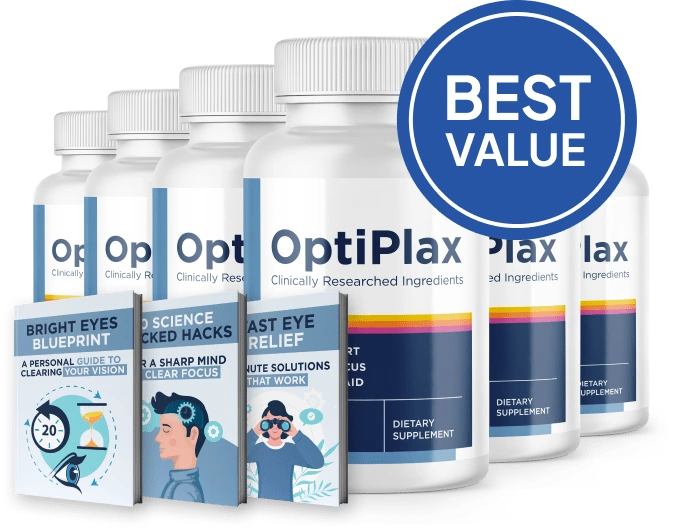
OptiPlax is a once-daily capsule pairing astaxanthin with a 500 mg marine blend. The six-bottle bundle is the best value at $49 per bottle, with free U.S. shipping and a 60-day guarantee.
Order OptiPlax — from $49/bottleHow do you build a simple daily routine?
The best routine is the one you will keep. Rather than overhauling everything at once, stack one small habit at a time until each feels automatic:
- Set your screen up well — arm’s length, top at eye level, comfortable brightness.
- Follow the 20-20-20 rule with a gentle timer through the workday.
- Add colour to two meals — greens, orange vegetables, or fish.
- Wear UV-blocking sunglasses whenever you are out in bright light.
- Protect a consistent bedtime so your eyes recover overnight.
- Take any supplement at the same time daily — for OptiPlax, one capsule with water.
Which habits help fastest? An at-a-glance table
A “fast” habit is one you feel in your eyes the same day; a “slow” habit builds support over weeks. Both matter. This table sorts the core habits by how quickly they help and how much effort they ask.
| Habit | Typical time to notice | Everyday effort |
|---|---|---|
| 20-20-20 screen breaks | Same day | Low |
| Better monitor setup & brightness | Same day | Low |
| UV-blocking sunglasses outdoors | Immediate comfort | Low |
| Colourful, carotenoid-rich meals | Weeks | Medium |
| Regular sleep & hydration | Days to weeks | Medium |
| Consistent antioxidant nutrition | Weeks to months | Low |
Consistency turns any of these into steadier comfort. Marine carotenoids build their support gradually, so most people choose a multi-month supply — compare the packages and pricing on the homepage.
When should you see an eye doctor?
Natural habits support everyday vision; they are not a replacement for professional eye care. Book a routine eye exam on the schedule your optometrist recommends, and see a professional promptly if you notice sudden vision changes, flashes or floaters, persistent pain or redness, or any loss of vision. Catching issues early is always the goal.
Frequently asked questions
What does it mean to support vision naturally?
It means using everyday food, screen habits, light, sleep — and, optionally, well-studied nutrients like the marine carotenoids astaxanthin and fucoxanthin — to help keep your eyes comfortable and well nourished. It complements, rather than replaces, regular eye exams and professional care.
Which foods are best for eye health?
Colourful vegetables and fruit rich in carotenoids such as lutein and zeaxanthin — leafy greens, corn, peppers and egg yolk — along with omega-3-rich fish, and antioxidant marine foods like seaweed and algae. Variety and colour on the plate are the simplest rules.
Does the 20-20-20 rule really help tired eyes?
Yes. Every 20 minutes, look at something about 20 feet away for around 20 seconds. It lets the focusing muscles relax and prompts more complete blinking, which are two of the main reasons screens leave eyes feeling tired and dry.
Do supplements like astaxanthin help eye comfort?
Marine carotenoids such as astaxanthin and fucoxanthin are antioxidants studied for the tissues involved in vision. They are a support to a nutrient-rich diet and good screen habits, not a treatment for any eye disease, and anyone with an eye condition should ask their doctor first.
How long does it take to notice a difference?
Screen and light habits like the 20-20-20 rule can ease tired eyes the same day, while dietary and supplement changes generally support the eyes gradually over several weeks to a few months. Individual results vary.
Can screens permanently damage my eyes?
Ordinary screen use mainly causes temporary digital eye strain — tiredness, dryness and blur — rather than lasting damage. Good habits, blinking, breaks and regular eye exams are the sensible way to stay comfortable and catch any real issues early.
Try OptiPlax risk-free for 60 days →
OptiPlax is a dietary supplement, not a treatment for any medical condition. These statements have not been evaluated by the Food and Drug Administration. This product is not intended to diagnose, treat, cure or prevent any disease. Always consult a qualified healthcare professional about your individual needs.
References & further reading
- National Eye Institute (NIH). Keep Your Eyes Healthy. nei.nih.gov/learn-about-eye-health/healthy-vision
- National Center for Complementary and Integrative Health (NCCIH). Antioxidants. nccih.nih.gov/health/antioxidants-in-depth
- Examine.com. Astaxanthin — evidence-based summary. examine.com/supplements/astaxanthin
- Johnson S, Rosenfield M. 20-20-20 Rule: Are These Numbers Justified? Optometry and Vision Science, 2023. pubmed.ncbi.nlm.nih.gov/36473088
- National Institutes of Health, Office of Dietary Supplements. Iodine — Fact Sheet for Health Professionals. ods.od.nih.gov/factsheets/Iodine-HealthProfessional
- Sheppard AL, Wolffsohn JS. Digital eye strain: prevalence, measurement and amelioration. BMJ Open Ophthalmology, 2018. pubmed.ncbi.nlm.nih.gov/29963645
- Age-Related Eye Disease Study 2 Research Group. Lutein + zeaxanthin and omega-3 fatty acids for age-related macular degeneration: the AREDS2 randomized clinical trial. JAMA, 2013. pubmed.ncbi.nlm.nih.gov/23644932
These references describe the ingredients and habits in general terms and do not constitute evidence that any product treats, cures or prevents any condition.
Keep reading: the best foods and nutrients for eye health · how astaxanthin and marine carotenoids work · back to the OptiPlax blog · homepage.