What are marine carotenoids? The OptiPlax vision-science explainer
Updated August 2026 · reviewed by the OptiPlax Research Team. We are an independent information resource, not a medical provider, and this article is educational rather than medical advice.
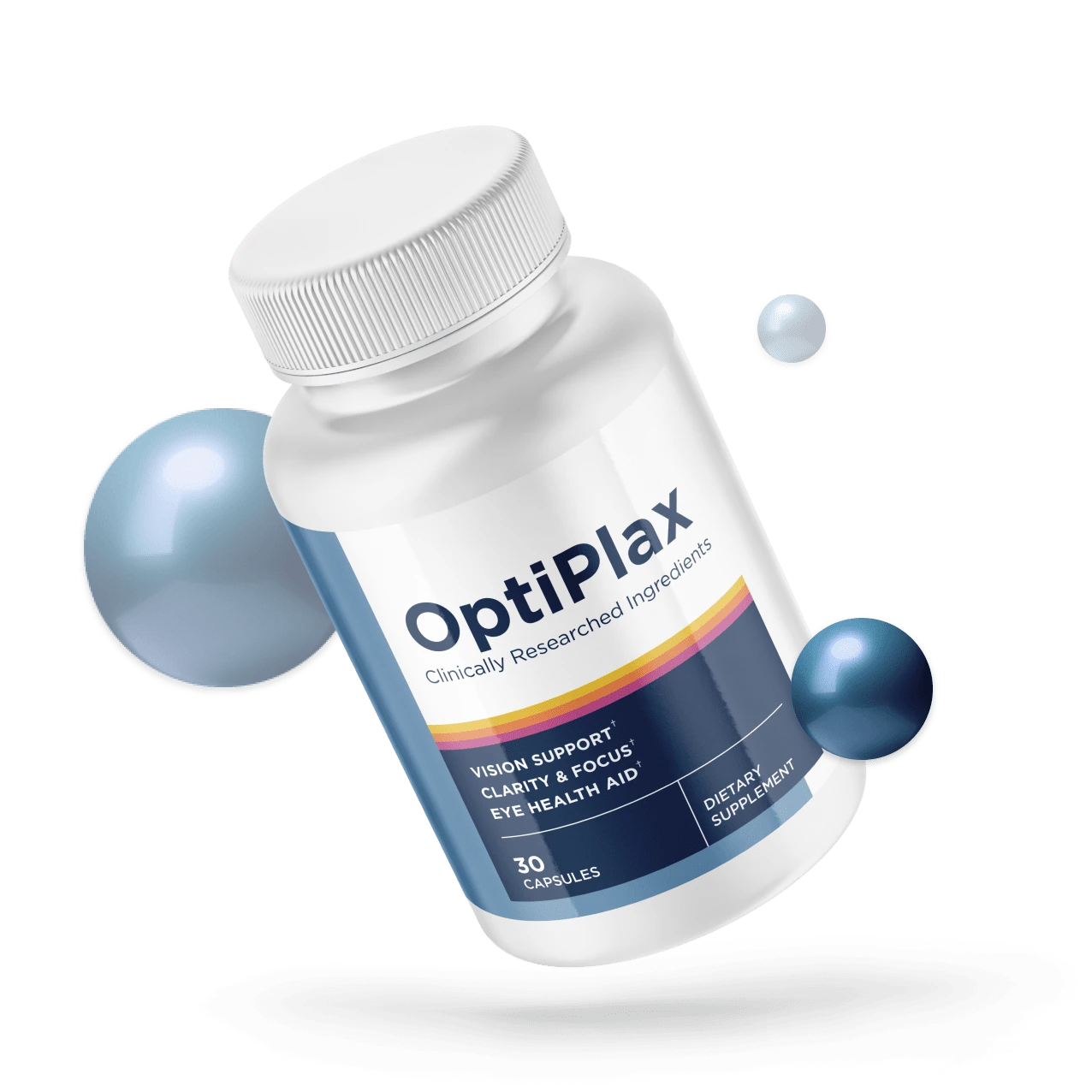
Marine carotenoids are the red, orange and golden pigments that algae and sea plants produce to shield themselves from intense sunlight underwater. Chemically they are fat-soluble antioxidants, and the two best known — astaxanthin from microalgae and fucoxanthin from brown seaweed — are the science behind the OptiPlax marine blend. This explainer covers what they are, why the ocean makes them, and how that biology connects to the light-exposed tissues involved in vision.
Marine carotenoids, explained in one place.
- What they are
- Fat-soluble pigment molecules made by algae and sea plants; the ocean’s version of the carotenoids that colour carrots and tomatoes on land.
- Why the sea makes them
- They absorb excess light energy and quench the free radicals that form when sunlight meets living tissue — a built-in antioxidant sunscreen.
- The famous two
- Astaxanthin (red, from the microalga Haematococcus pluvialis) and fucoxanthin (golden, from brown seaweed such as kelp).
- The eye link
- The back of the eye is intensely light-exposed, so antioxidant carotenoids are a natural focus of eye-nutrition research.
- In OptiPlax
- A 500 mg marine blend led by standardized astaxanthin and fucoxanthin, with whole-food algae and seaweeds behind them.
Every claim below is paired with an independent reference. For the full formula and dose, see the OptiPlax review on our homepage.
What exactly is a carotenoid?
A carotenoid is a naturally coloured pigment molecule that plants, algae and some microbes build to absorb light and defend their cells against oxidation. They are why carrots are orange, tomatoes red and autumn leaves gold. All share a long backbone of alternating double bonds — the structure that both captures light and neutralises reactive oxygen. “Marine” carotenoids are simply the ones made by ocean life.
What are marine carotenoids, more precisely?
Marine carotenoids are carotenoid pigments synthesised by algae and sea plants, and many carry extra oxygen-containing groups that land carotenoids lack. That difference matters: adding hydroxyl and keto groups to the ring ends, as astaxanthin does, gives the molecule more ways to interact with reactive oxygen and with a cell’s fatty membranes — which is why they are studied as especially capable antioxidants, a more heavily armoured version of a familiar molecule.
Why do algae and sea plants make these pigments?
Algae make carotenoids because they live bathed in light, and light striking living cells is a double-edged gift. Sunlight powers photosynthesis, but it also generates reactive molecules — free radicals and singlet oxygen — that damage cell machinery. Marine organisms evolved brightly coloured carotenoids that do two jobs at once: harvest useful light for growth, and absorb dangerous excess energy while quenching the reactive by-products.
How does the light-shield mechanism actually work?
The light-shield mechanism works because a carotenoid’s long chain of double bonds can soak up energy and release it as harmless heat. When it meets an over-excited oxygen species, it accepts the surplus energy, becomes briefly excited, then relaxes back to rest — disarming the threat without being destroyed. The microalga Haematococcus pluvialis is the textbook example: stressed by light and drought, it turns from green to blood-red as it floods its cells with astaxanthin as an emergency sunscreen.
How do those pigments end up in the food chain?
Marine carotenoids climb the food chain because animals cannot make them and must eat them. Krill graze on astaxanthin-rich algae; salmon, shrimp and flamingos eat those in turn, and the pigment tints their flesh and feathers pink. Eat seafood or take an algae-sourced supplement, and you borrow the same chemistry the ocean built.
What are the main marine carotenoids?
The main marine carotenoids are astaxanthin, fucoxanthin, and a supporting group of pigments found in whole algae and seaweeds. The table below sets out the ones most relevant to a marine eye-nutrition formula.
Two of these pigments dominate the conversation, and the practical question is how they differ: the comparison of astaxanthin and fucoxanthin for vision sets their chemistry and their evidence side by side, while the longer explainer on how marine carotenoids support eye health follows them from the algal cell into the light-exposed tissues of the eye.
| Carotenoid | Colour | Natural source | Noted for |
|---|---|---|---|
| Astaxanthin | Deep red | Microalga Haematococcus pluvialis | One of the most studied dietary antioxidants; colours salmon and krill. |
| Fucoxanthin | Golden-brown | Brown seaweed (kelp, wakame) | The pigment of brown algae; studied for cellular and metabolic wellness. |
| Beta-carotene | Orange | Many algae, incl. Dunaliella | A provitamin-A carotenoid the body can convert to vitamin A. |
| Zeaxanthin & lutein | Yellow | Algae & leafy plants | Concentrate in the macula of the eye; classic eye-nutrition carotenoids. |
| Mixed algal pigments | Green-blue | Chlorella, spirulina, nori | Whole-food carotenoid and chlorophyll mixtures from edible algae. |
How do marine carotenoids relate to eye health?
Marine carotenoids relate to eye health because the eye is one of the most light-stressed organs in the body, and light stress is exactly what carotenoids evolved to manage. The retina is thin, densely packed with light-sensing cells, and constantly bombarded by photons — generating the same reactive oxygen an algal cell contends with. It is no coincidence that the macula, the eye’s centre of sharp vision, naturally concentrates the carotenoids lutein and zeaxanthin.
It is worth being precise here. The evidence that dietary carotenoids support long-term eye health is strongest for lutein and zeaxanthin, with decades of study behind them; for astaxanthin and fucoxanthin the eye-specific human research is younger and smaller. Marine carotenoids are best understood as nutritional support for light-exposed tissue within a varied diet — not a treatment for any eye condition.
See the exact dose in OptiPlax
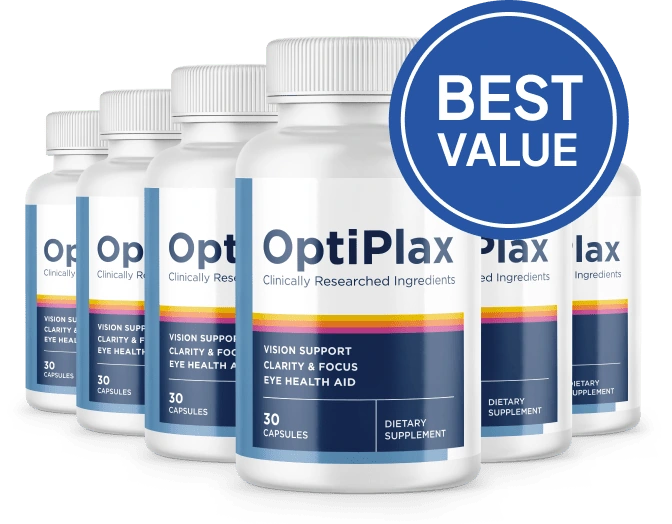
OptiPlax packs standardized astaxanthin, fucoxanthin and seven more sea nutrients into one 500 mg capsule a day. The six-bottle bundle is the best value at $49 per bottle.
Order OptiPlax — from $49/bottleWhat does the science actually show?
The honest summary is that marine carotenoids are well-established antioxidants in the lab, with human evidence ranging from solid to early depending on the pigment. Cell studies consistently show astaxanthin and fucoxanthin quench reactive oxygen; the open question is how much translates into measurable benefits in people at practical doses.
The science is uneven across this group of pigments. Astaxanthin has a randomised, placebo-controlled eye-strain trial behind it (Hecht KA et al., Advances in Therapy, 2025); fucoxanthin’s evidence is food-science and biochemical (Din NAS et al., Foods, 2022); and the two carotenoids with the deepest ocular record — lutein and zeaxanthin — are land-plant pigments rather than marine ones (AREDS2 Research Group, JAMA, 2013).
| Pigment | Antioxidant activity (lab) | Human eye-specific evidence | How to read it |
|---|---|---|---|
| Astaxanthin | Strong and well documented | Early — small trials on eye fatigue and comfort | Promising but not conclusive; more large trials needed. |
| Fucoxanthin | Well documented | Limited — mostly cellular and metabolic studies | General wellness interest; little direct eye data yet. |
| Lutein & zeaxanthin | Well documented | Strong — decades of dietary research | The best-supported eye carotenoids; a useful benchmark. |
| Whole algae (chlorella, spirulina) | Moderate, mixed pigments | Indirect — studied as nutrient-dense foods | Value is as whole-food nutrition, not a single active. |
Where evidence is thin, we say so. A marine blend is a reasonable way to add antioxidant carotenoids to a diet already rich in fish, leafy greens and colourful vegetables — not a shortcut around those foods.

Which marine carotenoids are in OptiPlax?
OptiPlax is built around the two headline marine carotenoids and a cast of whole-food algae and seaweeds that supply their own pigments. Every item is transcribed from the OptiPlax Supplement Facts panel.
Astaxanthin and fucoxanthin, the two leads
Astaxanthin and fucoxanthin are the standardized actives. Astaxanthin is supplied from Haematococcus pluvialis at 2%, and fucoxanthin from a kelp extract (Laminaria japonica) standardized to 10%, so each capsule delivers a consistent, named amount rather than a vague “algae extract.”
Whole-food algae and seaweeds
The supporting cast is whole-food marine nutrition: chlorella and spirulina are among the most nutrient-dense microalgae known, wakame and nori are edible seaweeds long eaten in coastal diets, and Ecklonia cava is valued for marine polyphenols. Sea buckthorn oil adds its own carotenoids and vitamin E. For a deeper dive, see our guide on astaxanthin and marine carotenoids for eyes.
How do you read a marine-carotenoid label?
Reading a marine-carotenoid label well comes down to four checks that separate a considered formula from filler. Use them on any product you compare.
- Named sources — astaxanthin from Haematococcus pluvialis, fucoxanthin from a named kelp, not just “marine extract.”
- Standardization — a stated percentage such as 2% astaxanthin or 10% fucoxanthin, so the active amount is consistent between capsules.
- A clear serving size — how much blend per capsule and how many capsules a day.
- Quality manufacturing — made in a GMP-certified, FDA-registered facility.
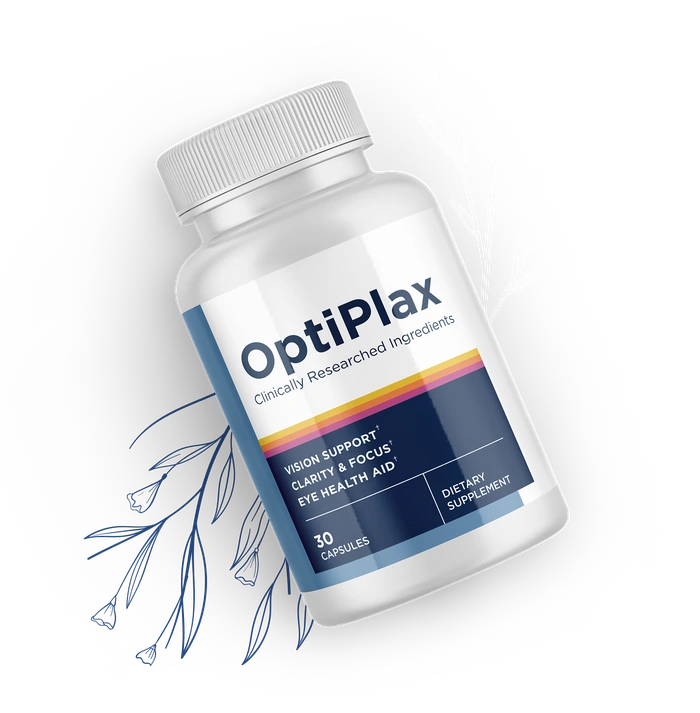
OptiPlax lists all four: a 500 mg marine blend, named sources, standardized astaxanthin and fucoxanthin, one capsule a day, made in the USA under GMP.

Are marine carotenoids safe?
Marine carotenoids are, as a class, foods that coastal cultures have eaten for centuries, with a long history of safe dietary use. As with any supplement, do not exceed the recommended dose, and remember that kelp naturally contains iodine, so anyone with a thyroid condition — or who is pregnant or nursing, under 18, or taking medication — should speak with a doctor first. See also our note on kelp, iodine and eye health.
Frequently asked questions
What are marine carotenoids in simple terms?
Marine carotenoids are the red, orange and golden pigments that algae and sea plants make to protect themselves from intense sunlight in the ocean. Chemically they are fat-soluble antioxidants, and the best known are astaxanthin from microalgae and fucoxanthin from brown seaweed, both of which appear in OptiPlax.
Why do algae and seaweed produce carotenoid pigments?
Algae live bathed in light, and light striking living cells generates reactive molecules called free radicals. Carotenoids absorb excess light energy and help quench those free radicals, acting as a built-in sunscreen and antioxidant defence for the plant.
How are marine carotenoids different from land carotenoids like beta-carotene?
They belong to the same chemical family, but marine carotenoids such as astaxanthin and fucoxanthin carry extra oxygen-containing groups on their rings. That structure is why researchers study them as particularly effective antioxidants compared with simpler pigments like beta-carotene.
Do marine carotenoids help your eyes?
The tissues at the back of the eye are among the most light-exposed and metabolically active in the body, so antioxidant carotenoids are a natural focus of eye-nutrition research. Marine carotenoids are studied as dietary support for those light-exposed tissues, but a supplement is not a treatment for any eye disease.
Which marine carotenoids are in OptiPlax?
OptiPlax is built on astaxanthin standardized to 2 percent from Haematococcus pluvialis and fucoxanthin from a kelp extract standardized to 10 percent, alongside whole-food algae and seaweeds such as chlorella, spirulina, wakame, nori and sea buckthorn oil in a 500 mg marine blend.
How long do marine carotenoids take to build up?
Carotenoids are fat-soluble and accumulate in tissue gradually, so most people take them consistently for several weeks to a few months. They are a support to a nutrient-rich diet and good eye habits, not a quick fix, and individual results vary.
Check today’s OptiPlax pricing →
OptiPlax is a dietary supplement, not a treatment for any medical condition. These statements have not been evaluated by the Food and Drug Administration. This product is not intended to diagnose, treat, cure or prevent any disease. Always consult a qualified healthcare professional about your individual needs.
References & further reading
- Examine.com. Astaxanthin — evidence-based summary. examine.com/supplements/astaxanthin
- Examine.com. Fucoxanthin. examine.com/supplements/fucoxanthin
- National Institutes of Health, Office of Dietary Supplements. Vitamin A and Carotenoids — Fact Sheet. ods.od.nih.gov/factsheets/VitaminA-HealthProfessional
- National Center for Complementary and Integrative Health. Antioxidants: In Depth. nccih.nih.gov/health/antioxidants-in-depth
- Miyashita K, et al. Nutraceutical characteristics of the brown seaweed carotenoid fucoxanthin. Archives of Biochemistry and Biophysics, 2020. pubmed.ncbi.nlm.nih.gov/32315653
- National Eye Institute (NIH). Age-Related Eye Disease Studies (AREDS/AREDS2). nei.nih.gov/research/clinical-trials/areds
- Hecht KA, et al. Astaxanthin (AstaReal) Improved Acute and Chronic Digital Eye Strain in Children: A Randomized Double-Blind Placebo-Controlled Trial. Advances in Therapy, 2025. pubmed.ncbi.nlm.nih.gov/40014233
- Din NAS, et al. Brown Algae as Functional Food Source of Fucoxanthin: A Review. Foods, 2022. pubmed.ncbi.nlm.nih.gov/35954003
- Age-Related Eye Disease Study 2 Research Group. Lutein + zeaxanthin and omega-3 fatty acids for age-related macular degeneration: the AREDS2 randomized clinical trial. JAMA, 2013. pubmed.ncbi.nlm.nih.gov/23644932
These references describe the ingredients in general terms and do not constitute evidence that any product treats, cures or prevents any condition.
Keep reading: astaxanthin and marine carotenoids for eyes · best foods for eye health · the OptiPlax blog.