Kelp for eye health: iodine, seaweed and the OptiPlax approach
Updated August 2026 · reviewed by the OptiPlax Research Team. We are an independent information resource, not a medical provider, and this article is educational rather than medical advice.
Kelp is an edible brown seaweed valued as one of nature's richest sources of the trace mineral iodine, along with the golden marine carotenoid fucoxanthin. In OptiPlax it appears not as a vision cure but as one strand of a whole-sea blend, chosen the way traditional coastal diets have used sea vegetables for centuries — for their minerals and antioxidant plant pigments rather than any single dramatic effect.
What kelp and iodine actually do, and where OptiPlax uses them.
- What kelp is
- An edible brown seaweed and one of the most concentrated natural sources of iodine, plus the carotenoid fucoxanthin.
- What iodine does
- An essential mineral the body needs to make thyroid hormones, which regulate metabolism and energy use body-wide; the NIH lists about 150 mcg/day for adults.
- Honest limit
- Kelp is a nutrient source, not an eye treatment — and because seaweed iodine varies wildly, the dose must be measured, not guessed.
- Where OptiPlax fits
- OptiPlax includes kelp with wakame, chlorella and spirulina so the iodine contribution is standardised on the label rather than left to raw seaweed.
Sea vegetables have quietly fed coastal communities for thousands of years, and modern nutrition keeps circling back to them. This ingredient guide looks at why OptiPlax includes kelp and related brown seaweeds, what iodine genuinely does in the body according to the NIH, and how to enjoy marine minerals without overshooting a sensible dose.
What is kelp, and why do people eat it?
Where does kelp come from?
Kelp is a family of large brown seaweeds that grow in cool, nutrient-rich coastal waters, and it is among the most mineral-dense foods people eat. Unlike a land vegetable, kelp draws its nutrients straight from seawater, concentrating iodine, potassium, magnesium and iron along with the golden carotenoid fucoxanthin that gives brown seaweed its colour. In Japanese, Korean and coastal European cooking it has been a staple for centuries — as kombu stock, in salads, or dried into flakes.
For eye-nutrition purposes, kelp earns its place for two reasons. First, it carries fucoxanthin, a marine antioxidant from the same broad carotenoid family as the pigments that concentrate in the eye. Second, it supplies iodine, an essential mineral that most inland diets historically struggled to obtain. Neither of these makes kelp a treatment for any eye condition; they make it a nutritious whole food, which is exactly how OptiPlax treats it.
What does iodine actually do in the body?
Iodine is an essential trace mineral the body uses to manufacture thyroid hormones, which in turn set the pace of metabolism in nearly every tissue. Without enough iodine the thyroid cannot make those hormones properly, which is why iodine deficiency has historically been a serious public-health problem and why table salt is iodised in many countries. The NIH Office of Dietary Supplements lists a reference intake of roughly 150 micrograms a day for most adults, rising in pregnancy and breastfeeding.
Because thyroid hormones influence how cells across the body use energy, iodine has a genuinely wide reach — but that reach is general and systemic, not a targeted eye effect. It is honest to say that iodine supports overall tissue health rather than to claim it improves vision. That distinction matters, and it is the reason kelp appears in OptiPlax as a supporting sea nutrient rather than a headline "eye ingredient."
| Nutrient in kelp | What it is | General role |
|---|---|---|
| Iodine | Essential trace mineral | Raw material for thyroid hormones that regulate metabolism. |
| Fucoxanthin | Brown-seaweed carotenoid | A marine antioxidant plant pigment studied for general cell support. |
| Potassium & magnesium | Dietary minerals | Everyday electrolytes involved in normal cell function. |
| Iron | Trace mineral | Part of oxygen transport in the blood. |
See the exact dose in OptiPlax →
How much iodine is really in kelp?
The single most important fact about kelp iodine is that it varies enormously, and that variability is a safety issue rather than a curiosity. Depending on the species, where it grew and how it was processed, one gram of dried kelp can carry anywhere from a modest amount of iodine to many times an adult's daily reference intake. That is why nutrition scientists warn against treating raw seaweed as a casual daily habit and why the NIH describes a tolerable upper intake level for iodine as well as a recommended one.
Seaweed iodine content varies enormously with species, season, growing water and processing, which is precisely why no fixed figure can be quoted for a seaweed blend (Smyth PPA, European Thyroid Journal, 2021). A review of edible seaweeds sets the nutritional case and the iodine-excess risk out side by side (Cherry P et al., Nutrition Reviews, 2019), and fucoxanthin-bearing brown algae are characterised as foods rather than medicines (Din NAS et al., Foods, 2022).
A responsible supplement solves this by standardising the dose. Rather than dropping unmeasured kelp into a capsule, a good formula tests and states the iodine each serving delivers, so the amount is predictable. This is the practical reason OptiPlax pairs kelp with other seaweeds in a defined blend and prints the iodine contribution on its label — you get the whole-sea nutrient profile without the guesswork of raw seaweed.
Why does OptiPlax use edible brown seaweeds?
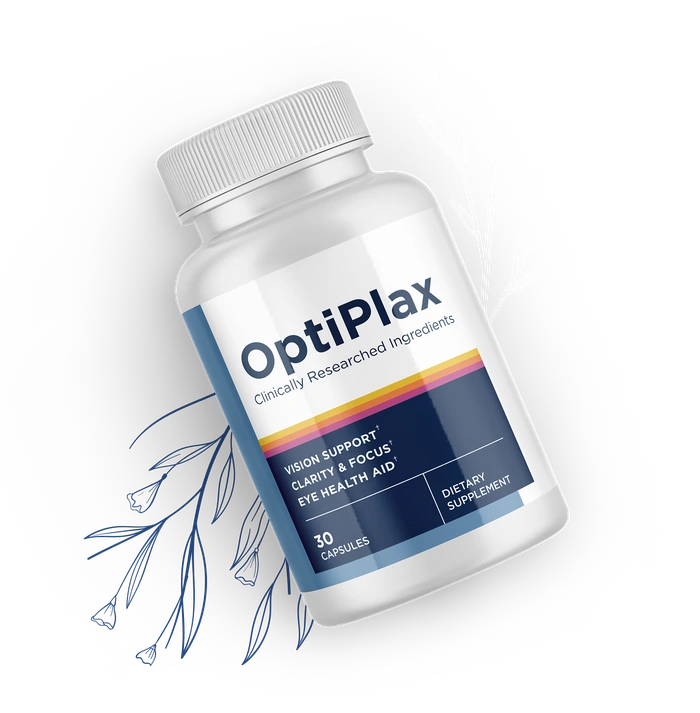
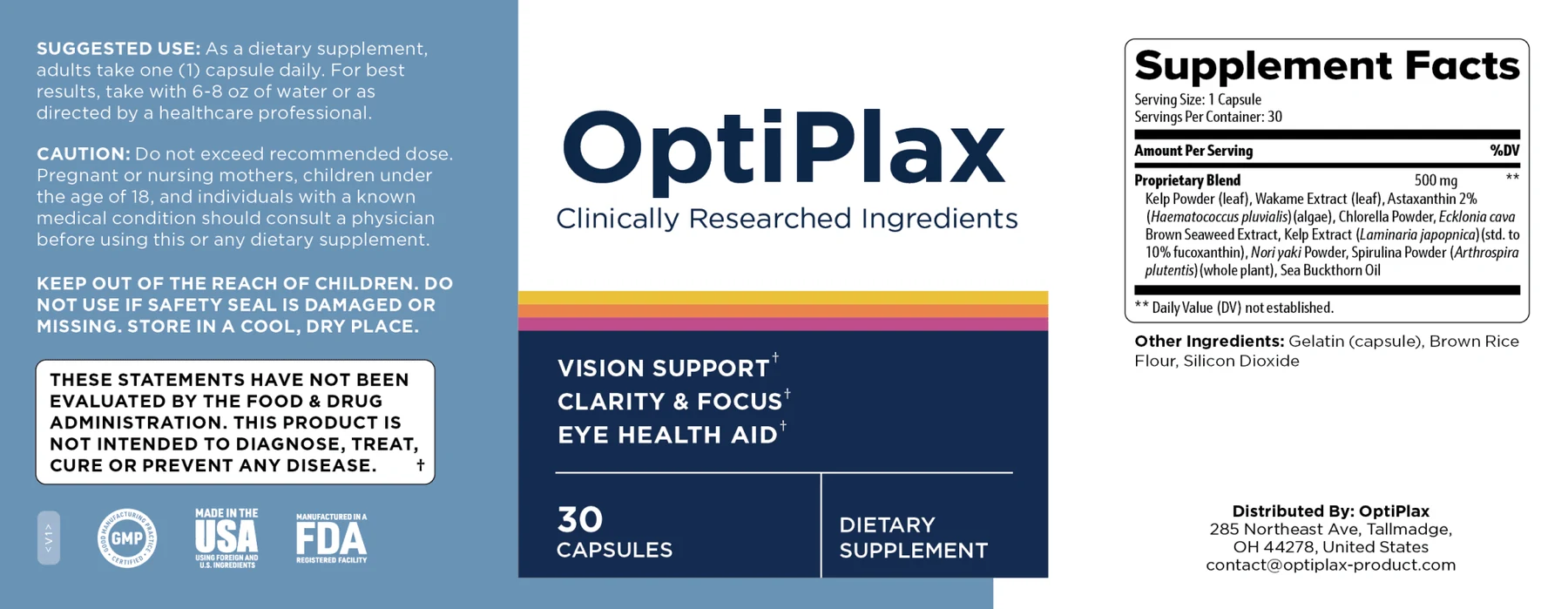
OptiPlax uses kelp and related seaweeds to recreate the broad nutrient spread of a traditional coastal diet in one convenient capsule. Instead of relying on any single "miracle" compound, the formula leans on the same logic that made sea vegetables prized in Japan, Korea and Iceland: whole marine plants deliver a family of carotenoids and minerals together, the way food naturally packages them. Alongside its astaxanthin, OptiPlax combines kelp with wakame, chlorella and spirulina into a 500 mg marine blend.
What does each seaweed add?
Each of those partners plays a role. Kelp brings fucoxanthin and a measured amount of iodine; wakame adds a second brown-seaweed carotenoid source; chlorella and spirulina are microalgae that contribute their own pigments and protein. The aim is breadth and balance — a spread of sea nutrients that complements, rather than replaces, an eye-friendly diet of greens, fish and colourful vegetables. You can see the full ingredient rationale in the OptiPlax ingredients section.
| Sea ingredient | Type | What it contributes to the blend |
|---|---|---|
| Kelp | Brown seaweed | Fucoxanthin plus a measured, standardised iodine contribution. |
| Wakame | Brown seaweed | A second whole-food source of marine carotenoids. |
| Chlorella | Green microalga | Chlorophyll, protein and a spread of plant pigments. |
| Spirulina | Blue-green microalga | Antioxidant pigments and a nutrient-dense profile. |
| Astaxanthin | Algal carotenoid | The headline marine antioxidant studied for light-exposed tissue. |

The whole-sea blend in one capsule
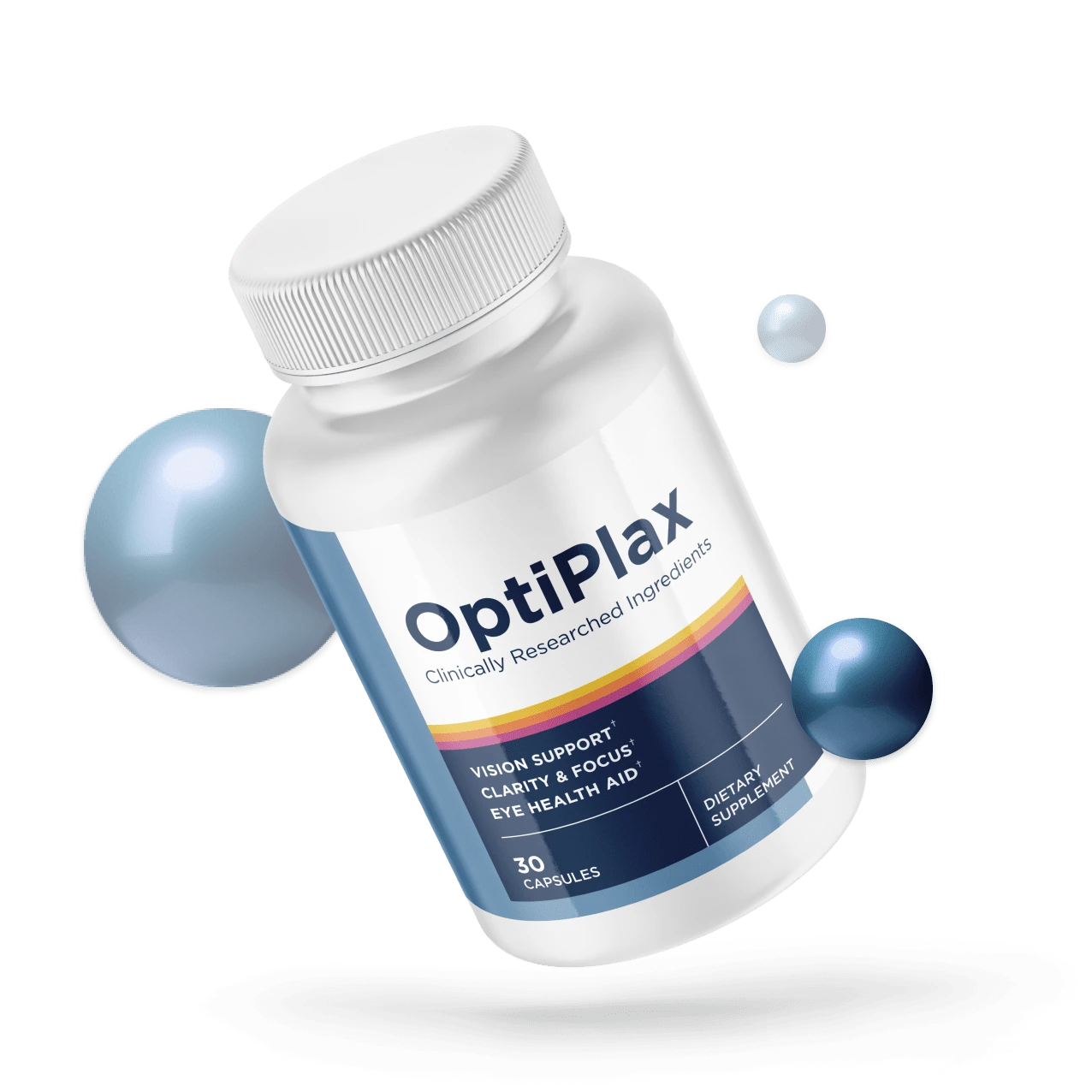
OptiPlax combines astaxanthin with a 500 mg blend of kelp, wakame, chlorella and spirulina — a measured iodine contribution and a spread of marine carotenoids in a single daily capsule. The six-bottle bundle is the best value at $49 per bottle, with free U.S. shipping.
Order OptiPlax — from $49/bottleCan you get too much iodine from seaweed?
Yes — and this is where sensible use matters more than enthusiasm. Because some seaweeds are extraordinarily iodine-dense, eating large or unmeasured amounts can push intake above the tolerable upper level the NIH describes, and consistently overshooting iodine can be as problematic as getting too little. The mineral sits in a band: enough is essential, but more is not automatically better.
The practical takeaway is simple. Treat iodine like any potent nutrient — hit the target, do not chase excess. That means following a standardised supplement dose rather than piling raw kelp onto every meal, and it means anyone with a thyroid condition, or who is pregnant or breastfeeding, should talk to a qualified healthcare professional first, because iodine acts directly on the thyroid. A measured formula such as OptiPlax is designed to stay within a sensible daily contribution.
How does kelp fit into an eye-friendly diet?
Kelp is best understood as one colourful item on an already varied plate, not a shortcut that replaces the rest. The foundation of eye nutrition is still leafy greens for lutein and zeaxanthin, orange vegetables for beta-carotene, and oily fish for omega-3 fats — the everyday foods covered in our guide to the best foods for eye health. Sea vegetables like kelp, wakame and nori simply widen that range with marine carotenoids and minerals that inland diets rarely supply.
How can you add sea vegetables to meals?
If you enjoy cooking, a strip of kombu in a soup stock or a sprinkle of seaweed flakes is an easy, traditional way to add sea nutrients. If that is not part of your routine, a standardised blend is the pragmatic alternative. For the wider antioxidant picture, our explainer on astaxanthin and marine carotenoids shows how these sea-derived pigments relate to the tissues of the eye.
Frequently asked questions
Is kelp good for eye health?
Kelp is a whole-food source of the golden carotenoid fucoxanthin plus the trace mineral iodine. Those nutrients support general tissue health rather than acting as an eye treatment, which is why OptiPlax uses kelp as one part of a broader marine blend and not as a stand-alone vision cure.
What does iodine actually do in the body?
Iodine is an essential mineral the body uses to make thyroid hormones, which in turn regulate metabolism, growth and energy use across most tissues. The NIH notes that the adult reference intake is about 150 micrograms per day, and that both too little and too much iodine can be a problem.
How much iodine is in kelp?
Kelp is one of the richest natural sources of iodine, but the amount varies enormously between species and harvests, so a single gram can range from modest to very high. Responsible formulas standardise the dose rather than relying on raw seaweed, which is why the OptiPlax label states the iodine contribution of its blend.
Can you get too much iodine from seaweed?
Yes. Because some seaweeds are extremely iodine-dense, large or unmeasured amounts can push intake above the tolerable upper limit the NIH describes. Sticking to a standardised supplement dose and following the label is the sensible way to enjoy sea nutrients without overshooting.
Why does OptiPlax include kelp and other seaweeds?
OptiPlax pairs kelp with wakame, chlorella and spirulina to capture the spread of marine carotenoids and minerals found in traditional coastal diets, alongside its astaxanthin. Kelp contributes fucoxanthin and a measured amount of iodine as part of that whole-sea approach.
Should I take a kelp supplement if I have a thyroid condition?
Anyone with a thyroid condition, or who is pregnant or breastfeeding, should speak with a qualified healthcare professional before adding iodine-rich seaweed, because iodine directly affects thyroid function. This article is educational and is not a substitute for personal medical advice.
Check today's OptiPlax pricing →
OptiPlax is a dietary supplement, not a treatment for any medical condition. These statements have not been evaluated by the Food and Drug Administration. This product is not intended to diagnose, treat, cure or prevent any disease. Always consult a qualified healthcare professional about your individual needs, especially regarding iodine and thyroid health.
References & further reading
- National Institutes of Health, Office of Dietary Supplements. Iodine — Fact Sheet for Consumers. ods.od.nih.gov/factsheets/Iodine-Consumer
- National Institutes of Health, Office of Dietary Supplements. Iodine — Fact Sheet for Health Professionals. ods.od.nih.gov/factsheets/Iodine-HealthProfessional
- National Center for Complementary and Integrative Health (NCCIH). Antioxidants. nccih.nih.gov/health/antioxidants-in-depth
- Examine.com. Fucoxanthin — evidence-based summary. examine.com/supplements/fucoxanthin
- Smyth PPA. Iodine, Seaweed, and the Thyroid. European Thyroid Journal, 2021. pubmed.ncbi.nlm.nih.gov/33981614
- Cherry P, et al. Risks and benefits of consuming edible seaweeds. Nutrition Reviews, 2019. pubmed.ncbi.nlm.nih.gov/30840077
- Din NAS, et al. Brown Algae as Functional Food Source of Fucoxanthin: A Review. Foods, 2022. pubmed.ncbi.nlm.nih.gov/35954003
These references describe kelp, iodine and sea nutrients in general terms and do not constitute evidence that any product treats, cures or prevents any condition.
Keep reading: the best foods and nutrients for eye health · how astaxanthin and marine carotenoids work · back to the OptiPlax blog · homepage.