How marine carotenoids support eye health: the OptiPlax science
Updated August 2026 · reviewed by the OptiPlax Research Team. We are an independent information resource, not a medical provider, and this article is educational rather than medical advice.
Marine carotenoids support eye health as antioxidant pigments that help the eye’s light-exposed tissues cope with the everyday oxidative stress of bright light and a rich blood supply. Sourced from algae and sea plants, pigments such as astaxanthin and fucoxanthin are supportive nutrition — not a treatment — and they are the marine antioxidants OptiPlax concentrates into one daily capsule.
How antioxidant marine carotenoids are thought to nourish the tissues involved in everyday sight.
- The mechanism
- Carotenoids absorb high-energy light and quench free radicals, helping keep oxidative stress in the retina and macula in balance.
- The pigments
- Astaxanthin from microalgae and fucoxanthin from kelp are the marine carotenoids most studied for light-exposed tissue.
- How supplements work
- They top up fat-soluble pigments that accumulate in eye tissue over weeks — supportive nutrition, not a cure.
- Where OptiPlax fits
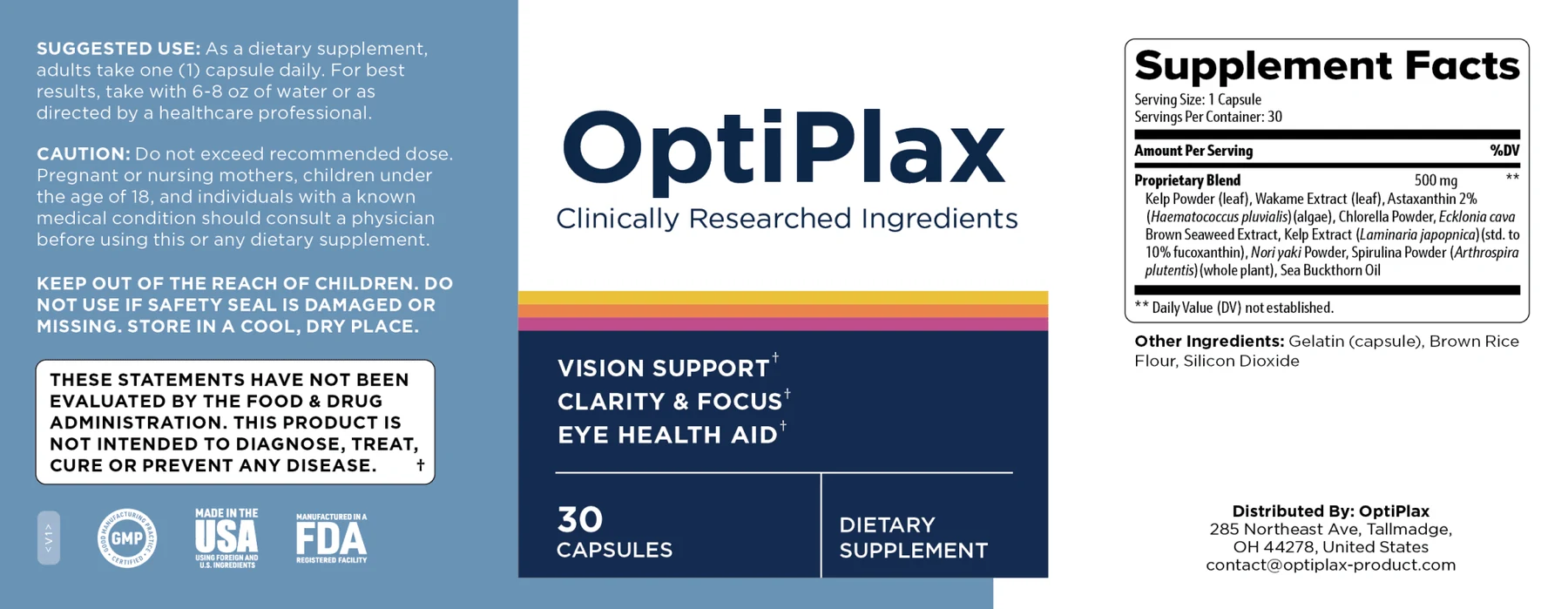
- Astaxanthin plus a 500 mg blend of kelp, wakame, chlorella and spirulina in one capsule a day.
“Antioxidant” is one of the most over-used words in nutrition, so it is worth being precise about what marine carotenoids actually do and, just as importantly, what they do not. This article walks through the real mechanism — the chemistry of the pigment, the tissue it acts on, and the honest limits of the evidence — and shows where a marine formula like OptiPlax fits as supportive everyday nutrition. Nothing here describes a treatment for any eye disease.
What are marine carotenoids, exactly?
Marine carotenoids are the fat-soluble red, orange and golden pigments that algae, seaweed and the animals that eat them use to protect themselves from sun and oxygen. They are the same family of molecules that colours a carrot or an egg yolk, but the marine members — astaxanthin, fucoxanthin and their relatives — are produced by organisms that live under intense light and constant oxidative pressure, which is partly why they are such capable antioxidants. Because the human body cannot manufacture carotenoids, every molecule in your tissue arrived through diet.
The eye is an obvious place for them to matter. It is one of the most metabolically active and light-drenched organs in the body, and it already concentrates two dietary carotenoids — lutein and zeaxanthin — in the macula. Marine carotenoids extend that logic to a wider set of pigments from the sea, which is the whole premise behind OptiPlax and the reason coastal diets rich in fish and sea vegetables are so often studied for eye and general health.
How do marine carotenoids support eye health at the molecular level?
The antioxidant mechanism behind carotenoids comes down to their structure: a long backbone of alternating single and double chemical bonds, called a conjugated polyene chain, that behaves like a molecular sponge for excess energy. That chain lets a carotenoid do two useful things in light-sensitive tissue.
Quenching singlet oxygen and free radicals
Carotenoids are among the most effective natural quenchers of singlet oxygen, a highly reactive form of oxygen created when light strikes pigment-rich tissue. By absorbing that energy and dissipating it harmlessly as heat, a carotenoid such as astaxanthin can defuse a reactive molecule before it damages the delicate fats and proteins that make up cell membranes. This is the single most-cited mechanism in marine-carotenoid research.
Sitting inside the cell membrane
Astaxanthin has an unusual shape that lets it span the full width of a cell membrane, with an antioxidant group anchored at each surface. That positioning means it can intercept reactive molecules on both the inside and outside of the membrane at once — a structural feature researchers often use to explain why it behaves differently from water-soluble antioxidants like vitamin C.
Working as a team
No antioxidant works alone. Carotenoids hand off and receive energy from vitamins C and E and from each other, so a mix of pigments generally outperforms any single one in isolation. That is why marine-food traditions — and formulas like OptiPlax — favour a blend of sea-plant pigments rather than a mega-dose of one.
Which eye tissues are light-sensitive, and why does that matter?
The light-sensitive tissue at the heart of vision is the retina, and it faces a built-in trade-off: it needs bright light to work, yet light plus its dense oxygen supply is exactly what generates the reactive molecules antioxidants defend against. Understanding that trade-off explains why antioxidant nutrition is a recurring theme in eye research.
Three regions are worth knowing. The retina is the layer of photoreceptor cells that turns light into nerve signals; its membranes are unusually rich in fragile omega-3 fats. The macula is the small central patch responsible for sharp, detailed vision, and it is where lutein and zeaxanthin pile up to form a natural pigment shield. The lens sits at the front and stays clear only as long as its proteins remain undamaged. Each of these is a plausible place for dietary antioxidants to help maintain everyday function — and each is why the marketing shorthand “carotenoids for your eyes” has a real basis, even though it is often over-claimed.
| Eye tissue | What it does | Why antioxidants are studied there |
|---|---|---|
| Retina | Converts light into nerve signals | Omega-3-rich membranes are prone to oxidation under bright light. |
| Macula | Delivers sharp central vision | Naturally concentrates lutein and zeaxanthin as a pigment shield. |
| Lens | Focuses light onto the retina | Stays clear only while its proteins remain undamaged over time. |
| Tear film | Keeps the surface smooth and comfortable | Its oily layer relies on omega-3 fats that oxidise easily. |

See the exact dose in OptiPlax
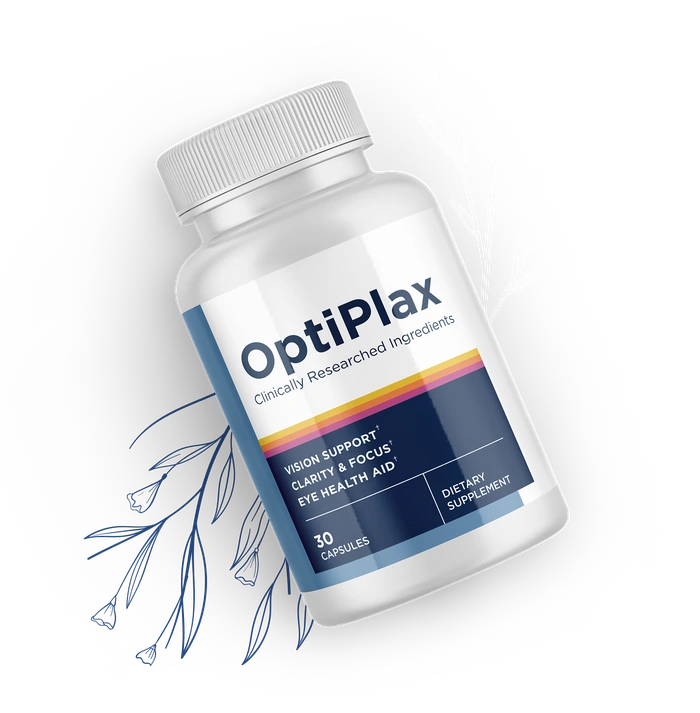
OptiPlax delivers astaxanthin plus a 500 mg marine blend of kelp, wakame, chlorella and spirulina in one daily capsule — the same pigments described above, in convenient form. The six-bottle bundle is the best value at $49 per bottle with free U.S. shipping.
Check today’s OptiPlax pricing — from $49/bottleHow do eye supplements work if the body absorbs so little?
Eye supplements work by slowly topping up the pool of fat-soluble pigments the eye draws on, not by delivering an instant hit — which is why timeframe and consistency matter more than dose size. Carotenoids are absorbed alongside dietary fat, travel in the bloodstream, and are gradually deposited in tissues that will use them. That deposition is slow: studies that measure macular pigment or blood carotenoid levels typically run for two to three months before changes settle.
Two practical points follow. First, taking a carotenoid capsule with food that contains some fat meaningfully improves absorption. Second, because levels build and then plateau, marine carotenoids reward daily habit far more than occasional large doses. This is the honest framing OptiPlax uses: one capsule a day, every day, as supportive nutrition that complements a colourful diet rather than replacing it.
What does OptiPlax actually contain, and why those ingredients?
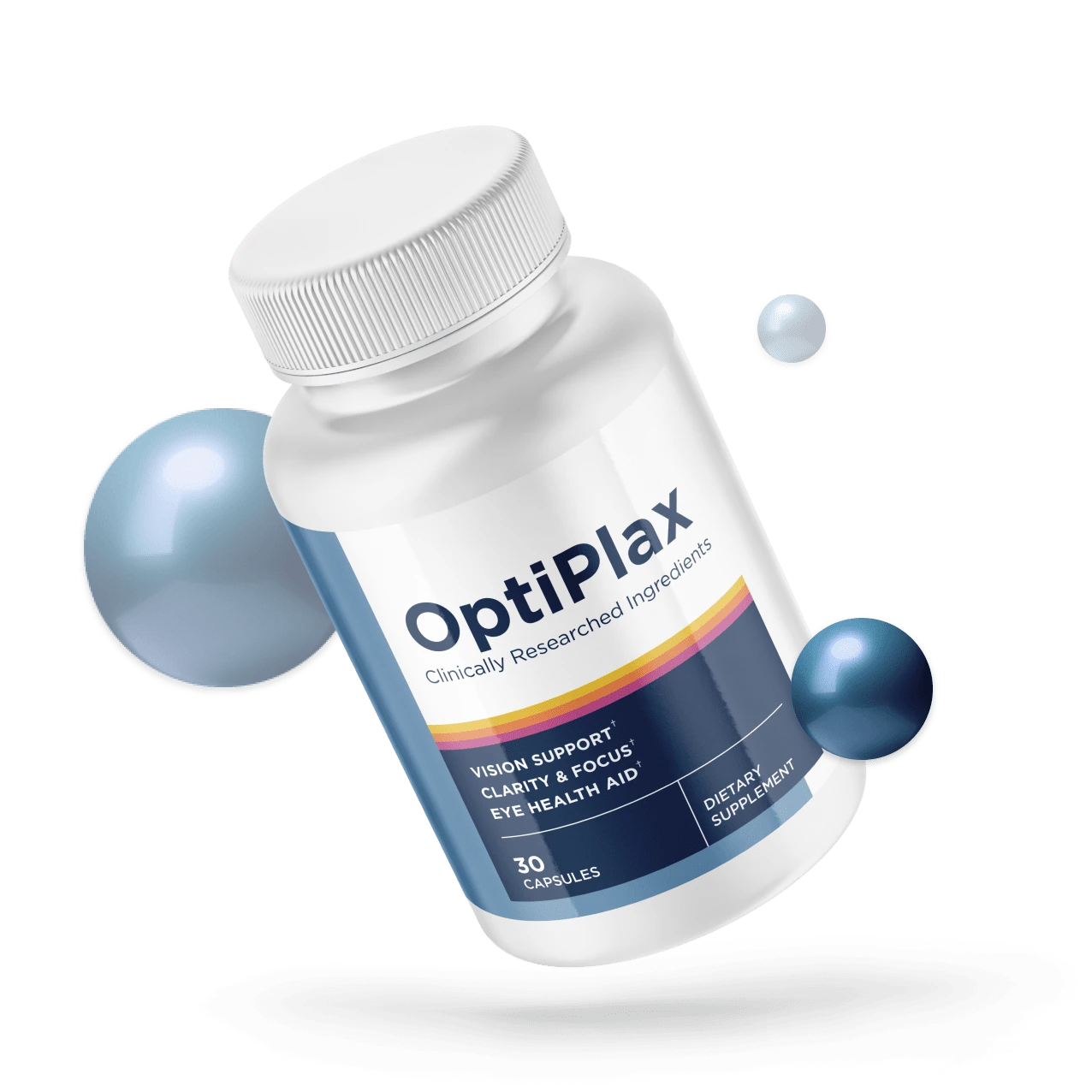
OptiPlax is a marine-carotenoid formula, meaning its active pigments all come from the sea rather than from land plants. The design goal is a spread of complementary antioxidants in amounts you would struggle to eat every day, delivered in a single capsule.
| Marine ingredient | Carotenoid it supplies | General role in eye nutrition |
|---|---|---|
| Microalgae (Haematococcus) | Astaxanthin | A potent membrane-spanning antioxidant studied for light-exposed tissue. |
| Kelp & wakame | Fucoxanthin | The golden carotenoid of brown seaweed, a marine antioxidant. |
| Chlorella | Lutein & mixed carotenoids | A green freshwater alga that adds macular-type pigments. |
| Spirulina | Zeaxanthin & carotenoids | A blue-green alga rounding out the antioxidant spread. |
For a deeper look at any single ingredient, see our guides to astaxanthin and marine carotenoids and fucoxanthin for eye health. The ingredients section of our OptiPlax review lists the full panel and amounts.

What does the evidence actually support — and where is it weak?
The honest summary is that marine carotenoids have a plausible, well-described antioxidant mechanism and encouraging early research, but the human evidence for eye-specific outcomes is still limited and mixed. Laboratory and animal studies consistently show astaxanthin and fucoxanthin quenching reactive molecules; small human trials on eye fatigue and general antioxidant status are promising but often short, small, or industry-funded.
Where this evidence is strongest, it is about comfort during near work: a randomised double-blind trial reported reduced digital eye strain with astaxanthin (Hecht KA et al., Advances in Therapy, 2025). Where it is weakest is fucoxanthin, whose ocular literature is effectively absent and whose antioxidant credentials come from biochemical rather than clinical work (Miyashita K et al., Archives of Biochemistry and Biophysics, 2020; Din NAS et al., Foods, 2022).
By contrast, the strongest human eye-nutrition evidence sits with lutein and zeaxanthin and with the broader ARED-style antioxidant and zinc combinations studied in large trials. Marine carotenoids like astaxanthin are best understood as a complementary addition to that picture, not a proven replacement. We think the responsible position is enthusiasm tempered with caution: a sound mechanism and a long safety record for food-level intake, alongside a frank acknowledgement that no supplement, OptiPlax included, treats or prevents eye disease. If you have a diagnosed condition, your eye-care professional comes first.
See the exact dose in OptiPlax →
OptiPlax is a dietary supplement, not a treatment for any medical condition. These statements have not been evaluated by the Food and Drug Administration. This product is not intended to diagnose, treat, cure or prevent any disease. Always consult a qualified healthcare professional about your individual needs.
Frequently asked questions
How do marine carotenoids support eye health?
Marine carotenoids are antioxidant pigments from algae and sea plants that are thought to support eye health by helping neutralise reactive molecules in the light-exposed tissues of the eye. They are supportive nutrition rather than a treatment, and they work gradually as the pigments accumulate over weeks to months.
What is the antioxidant mechanism behind carotenoids?
Carotenoids have a long chain of alternating chemical bonds that can absorb high-energy light and quench free radicals. In light-sensitive tissue this helps keep everyday oxidative stress in balance, which is the mechanism most often cited in marine-carotenoid research.
Which marine carotenoids does OptiPlax use?
OptiPlax is built on astaxanthin, the red pigment of microalgae, paired with a 500 mg marine blend that supplies fucoxanthin from kelp and wakame along with chlorella and spirulina. Together they provide a spread of antioxidant sea-plant pigments in one daily capsule.
How is astaxanthin different from lutein and zeaxanthin?
Lutein and zeaxanthin physically accumulate in the macula and help filter blue light, while astaxanthin is a marine antioxidant studied more broadly for its activity in light-exposed and oxygen-rich tissue. Many eye-nutrition approaches use them as complementary rather than competing nutrients.
How long do marine carotenoids take to work?
Carotenoids are fat-soluble pigments that build up in tissue slowly, so most nutrition research looks at consistent intake over eight to twelve weeks or longer. They are a long-term habit rather than a quick fix, and individual results vary.
Are marine carotenoids a treatment for eye disease?
No. Marine carotenoids and OptiPlax are supportive nutrition, not a treatment, cure or prevention for any eye disease. If you have a diagnosed eye condition or notice changes in your vision, see a qualified eye-care professional.
References & further reading
- National Eye Institute (NIH). Keep Your Eyes Healthy — diet and nutrition. nei.nih.gov/learn-about-eye-health/healthy-vision
- National Center for Complementary and Integrative Health (NCCIH). Antioxidants: In Depth. nccih.nih.gov/health/antioxidants-in-depth
- Examine.com. Astaxanthin — evidence-based summary. examine.com/supplements/astaxanthin
- Hecht KA, et al. Astaxanthin (AstaReal) Improved Acute and Chronic Digital Eye Strain in Children: A Randomized Double-Blind Placebo-Controlled Trial. Advances in Therapy, 2025. pubmed.ncbi.nlm.nih.gov/40014233
- Miyashita K, et al. Nutraceutical characteristics of the brown seaweed carotenoid fucoxanthin. Archives of Biochemistry and Biophysics, 2020. pubmed.ncbi.nlm.nih.gov/32315653
- Din NAS, et al. Brown Algae as Functional Food Source of Fucoxanthin: A Review. Foods, 2022. pubmed.ncbi.nlm.nih.gov/35954003
These references describe the pigments and their general mechanisms and do not constitute evidence that any product treats, cures or prevents any condition.
Keep reading: how astaxanthin and marine carotenoids work · the best foods and nutrients for eye health · how to support healthy vision naturally · back to the OptiPlax blog · OptiPlax review.