Spirulina for eye health: the OptiPlax ingredient guide
Updated August 2026 · reviewed by the OptiPlax Research Team. We are an independent information resource, not a medical provider, and this article is educational rather than medical advice.
Spirulina for eye health means using a nutrient-dense blue-green algae as a whole-food source of eye-relevant pigments — the carotenoid zeaxanthin, beta-carotene, and its signature blue antioxidant phycocyanin. In OptiPlax, spirulina is one strand of a 500 mg marine blend that sits beside astaxanthin, so a single daily capsule carries a spread of naturally occurring plant pigments rather than one isolated compound.
Where spirulina fits in an eye-nutrition routine, and in OptiPlax.
- What it is
- Spirulina (Arthrospira platensis) is a blue-green algae eaten for centuries as a dense whole food, not a drug or a cure.
- Eye-relevant nutrients
- Zeaxanthin, beta-carotene, the blue pigment phycocyanin, plus chlorophyll, iron and B vitamins.
- Why it is in OptiPlax
- It broadens the carotenoid spread of the 500 mg marine blend, complementing astaxanthin and fucoxanthin.
- Honest limit
- Evidence for spirulina and vision specifically is early; most support is general antioxidant and nutrition research.
Spirulina turns up on nearly every “superfood” list, but its place in eye nutrition is more specific than the hype suggests. This guide explains what spirulina actually contains, why those pigments matter for light-exposed tissue, how it works alongside astaxanthin in OptiPlax, and — just as importantly — where the evidence is still thin. The aim is a clear-eyed picture, not a sales pitch dressed as science.
What is spirulina, and what does it have to do with your eyes?
Spirulina is a spiral-shaped blue-green algae, Arthrospira platensis, harvested and dried into a deep-green powder that is one of the most nutrient-dense foods by weight that people routinely eat. Its relevance to the eye comes down to pigments: the same families of coloured antioxidant molecules that plants use to manage light and oxygen are the ones the retina relies on too. Because spirulina grows bathed in sunlight, it is unusually rich in these light-managing compounds.
The eye is a light-and-oxygen organ. The retina sits where bright light meets a heavy blood supply, and that combination naturally produces reactive molecules. Dietary antioxidants — carotenoids chief among them — help keep that everyday process in balance. Spirulina is interesting precisely because it delivers several of these compounds together, in the whole-food matrix they occur in naturally, rather than as a single purified extract.
What is in spirulina that matters for eye nutrition?
Spirulina’s eye-relevant value is a package of pigments and micronutrients, not one hero molecule. Four components stand out.
Which carotenoid links spirulina to the macula?
Zeaxanthin is the headline carotenoid in spirulina, and it is one of only two carotenoids — the other being lutein — that physically concentrate in the macula, the pigment-dense central patch of the retina. There they form the macular pigment that helps filter high-energy blue light. The body cannot manufacture zeaxanthin, so every molecule has to arrive through food. Spirulina is one of the more concentrated whole-food sources.
What does phycocyanin do?
Phycocyanin is the brilliant blue pigment that gives spirulina its blue-green cast and is studied as its signature antioxidant. In the algae it captures light for photosynthesis; in nutrition research it is examined for its free-radical-scavenging behaviour. Evidence in humans is still developing, so phycocyanin is best described as a promising food antioxidant rather than anything with a proven eye claim.
Does spirulina supply vitamin A?
Spirulina contains beta-carotene, a precursor the body converts into vitamin A — the nutrient the retina genuinely needs for the light-sensing chemistry of vision. Unlike a fixed dose of pre-formed vitamin A, beta-carotene is converted as needed, which is one reason plant-derived carotenoids are a gentle way to support baseline vitamin A status through diet.
What else does the whole food bring?
Beyond the pigments, spirulina adds chlorophyll, plant-source iron, several B vitamins and a notably high protein content for a plant food. None of these is an “eye nutrient” in isolation, but they are part of why spirulina is valued as a broad nutritional top-up rather than a single-purpose supplement.
| Spirulina component | Type | General role relevant to eye nutrition |
|---|---|---|
| Zeaxanthin | Carotenoid | One of the two pigments that concentrate in the macula and help filter blue light. |
| Beta-carotene | Carotenoid | Converted to vitamin A, which the retina needs for the light-sensing process. |
| Phycocyanin | Blue pigment-protein | Signature antioxidant studied for free-radical scavenging; human eye evidence early. |
| Chlorophyll | Green pigment | Plant antioxidant that contributes to spirulina’s broad pigment spread. |
| Iron, B vitamins | Micronutrients | General nutritional support within a whole-food matrix. |
See the exact dose in OptiPlax →
How does spirulina work alongside astaxanthin in OptiPlax?
In OptiPlax, spirulina is a supporting player and astaxanthin is the lead. Astaxanthin is a potent red marine carotenoid, drawn from microalgae, that is the most studied ingredient in the formula for light-exposed eye tissue. Spirulina’s job is to widen the carotenoid palette around it — adding zeaxanthin, beta-carotene and phycocyanin — so the blend behaves more like a spectrum of whole-food pigments than a single isolated antioxidant.
Spirulina rarely appears alone, and its usual partner is the green alga chlorella; the comparison of spirulina and chlorella for eyes explains what each one actually contributes to the pigment profile.
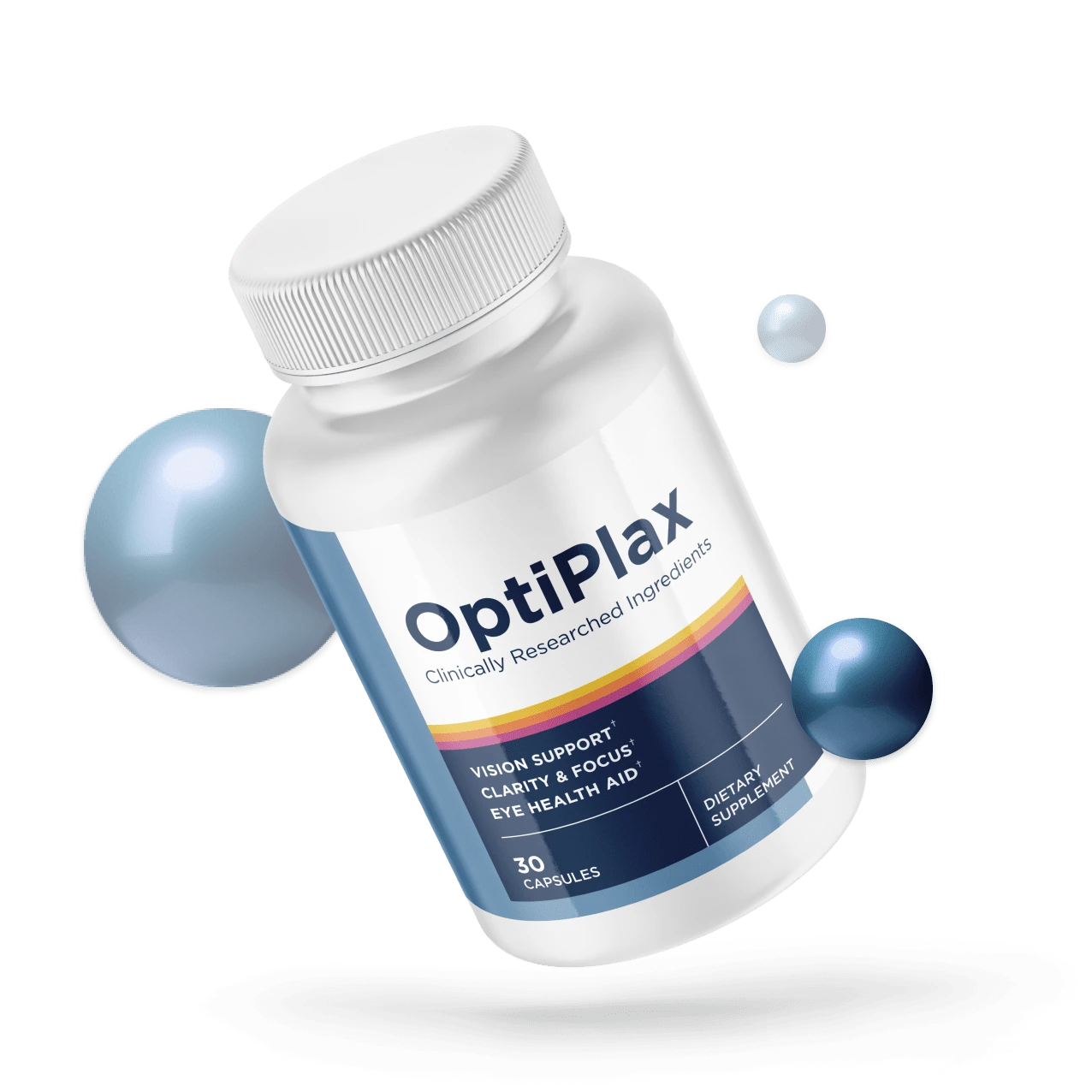
This “spread, not spike” approach is the logic behind the 500 mg marine blend, which also folds in kelp and wakame (sources of fucoxanthin) and chlorella (a green algae with its own chlorophyll and micronutrients). Each contributes a different pigment profile, and spirulina is the blue-green thread that ties zeaxanthin and phycocyanin into the mix.
| Ingredient in OptiPlax | Signature pigment | What it adds to the blend |
|---|---|---|
| Astaxanthin | Red carotenoid | The lead marine antioxidant, most studied for light-exposed eye tissue. |
| Spirulina | Blue-green (phycocyanin) | Adds zeaxanthin, beta-carotene and phycocyanin to widen the spread. |
| Kelp & wakame | Golden (fucoxanthin) | Brown-seaweed carotenoid plus trace marine minerals. |
| Chlorella | Green (chlorophyll) | Freshwater green algae with chlorophyll and micronutrients. |

Spirulina, without the guesswork
OptiPlax pairs astaxanthin with a 500 mg marine blend of kelp, wakame, chlorella and spirulina in one daily capsule — no measuring green powder or dosing four ingredients yourself. The six-bottle bundle is the best value at $49 per bottle, with free U.S. shipping.
Check today’s OptiPlax pricing — from $49/bottleWhat does the evidence actually say about spirulina for eyes?
The honest position is that spirulina’s eye-specific evidence is early, while its general nutritional credentials are strong. Most published research supports spirulina as an antioxidant-rich food and looks at broad markers of oxidative balance; direct, high-quality trials measuring spirulina’s effect on human vision are limited. That does not make it useless — it makes it a sensible whole-food source of eye-relevant pigments rather than a proven remedy.
Spirulina’s research is broad but it is not ocular. Pharmacological reviews cover its antioxidant and anti-inflammatory activity (Diniz AFA et al., Frontiers in Pharmacology, 2025), and its blue pigment phycocyanin has its own mechanistic literature (Huang H et al., The American Journal of Chinese Medicine, 2026). The carotenoids the eye genuinely concentrates were studied elsewhere, in land-plant lutein and zeaxanthin research (Li X et al., Nutrition Reviews, 2023).
Where the science is firmer is the individual pigments. Zeaxanthin’s role in macular pigment is well documented, and carotenoid intake generally is an active, respected field in eye-nutrition research. Spirulina earns its place by being a natural delivery vehicle for some of those pigments, not by carrying a unique clinical claim of its own. When a source is uncertain, the responsible move is to say so — and to build the formula on the better-studied astaxanthin as the anchor, which is exactly what OptiPlax does.
How much spirulina is in OptiPlax, and how do you use it?
Spirulina in OptiPlax is one component of a labelled 500 mg marine blend, not a stand-alone high dose — the Supplement Facts panel shows the blend and its astaxanthin pairing. That is a deliberate choice: the goal is a balanced daily spread of marine pigments in a single capsule, rather than a large isolated serving of any one algae.
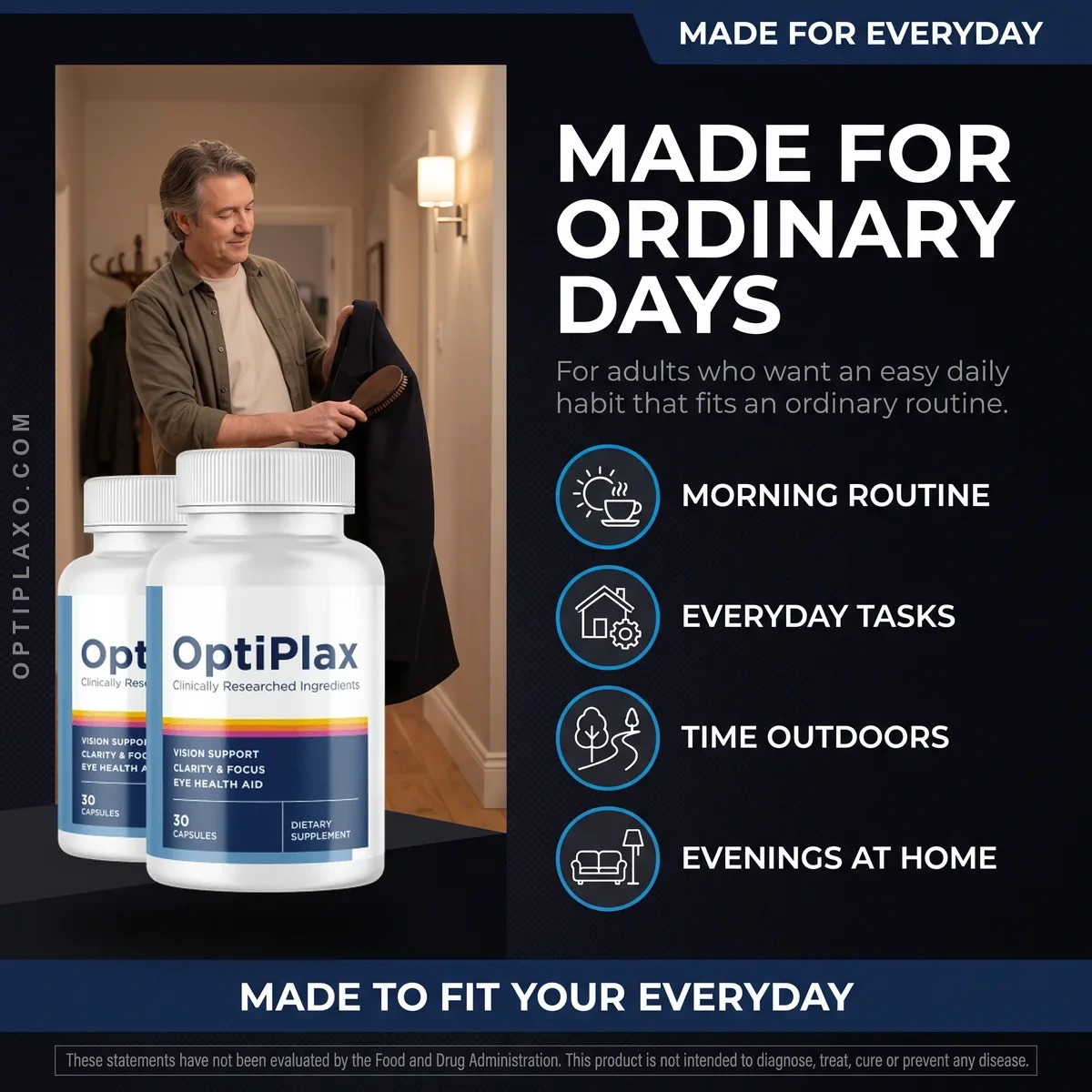
Usage is straightforward: one capsule a day with water, ideally with a meal that contains some fat, since carotenoids are fat-soluble and absorb better that way. Like all nutrition, it works on a slow clock — carotenoids accumulate in tissue over weeks to months of consistent intake, so spirulina is a long-term habit rather than a quick fix, and individual results vary. For the wider context, our guide to the best foods and nutrients for eye health shows where whole-food spirulina sits among greens, fish and other sea vegetables.
Who might consider spirulina — and who should be cautious?
Spirulina suits people who want a whole-food antioxidant top-up, particularly those whose diets are light on greens, fish and sea vegetables. Because it is a food rather than a drug, it is generally well tolerated when sourced from a reputable, contaminant-tested supplier — quality of sourcing matters more with algae than with almost any other supplement, since poorly grown spirulina can carry contaminants.
Caution applies to a few groups. People who are pregnant or breastfeeding, those with autoimmune conditions, and anyone on medication should speak with a healthcare professional first, because spirulina is nutritionally active and individual needs differ. It is not a substitute for prescribed care or for an eye examination. For a broader routine that puts spirulina in context, see how to support healthy vision naturally.
Frequently asked questions
Is spirulina good for your eyes?
Spirulina is a nutrient-dense blue-green algae that supplies carotenoids — including zeaxanthin and beta-carotene — plus the blue pigment phycocyanin, all of which are studied as dietary antioxidants. It is a whole-food source of nutrients the eye uses, though spirulina alone is not a treatment for any eye condition.
What carotenoids does spirulina contain?
Spirulina naturally contains zeaxanthin, beta-carotene and smaller amounts of other carotenoids, alongside its signature blue pigment phycocyanin and green chlorophyll. Zeaxanthin is one of the two carotenoids that concentrate in the macula of the eye.
How much spirulina is in OptiPlax?
OptiPlax lists spirulina as one component of a 500 mg marine blend that also includes kelp, wakame and chlorella, paired with astaxanthin. The blend is delivered in one daily capsule; see the Supplement Facts panel for the labelled amounts.
Is spirulina the same as chlorella?
No. Spirulina is a blue-green algae rich in phycocyanin, while chlorella is a green freshwater algae with a tough cell wall and high chlorophyll content. OptiPlax includes both because they contribute overlapping but distinct nutrients.
Can I just eat spirulina instead of taking OptiPlax?
You can eat spirulina as a powder or tablet on its own. OptiPlax simply combines a measured amount of spirulina with other marine nutrients and astaxanthin in one capsule, which some people find more convenient than sourcing and dosing several ingredients separately.
Is spirulina safe to take every day?
Spirulina from a reputable, contaminant-tested source is widely consumed daily as a food supplement and is generally well tolerated. People who are pregnant, have an autoimmune condition, or take medication should check with a healthcare professional first, as individual needs vary.
See the exact dose in OptiPlax — risk-free for 60 days →
OptiPlax is a dietary supplement, not a treatment for any medical condition. These statements have not been evaluated by the Food and Drug Administration. This product is not intended to diagnose, treat, cure or prevent any disease. Always consult a qualified healthcare professional about your individual needs.
References & further reading
- National Institutes of Health, Office of Dietary Supplements. Vitamin A and Carotenoids — Fact Sheet. ods.od.nih.gov/factsheets/VitaminA-HealthProfessional
- National Center for Complementary and Integrative Health (NCCIH). Antioxidants: In Depth. nccih.nih.gov/health/antioxidants-in-depth
- Examine.com. Spirulina — evidence-based summary. examine.com/supplements/spirulina
- Diniz AFA, et al. Pharmacological insights into Arthrospira platensis (Oscillatoriaceae): ethnopharmacology, mechanisms, and therapeutic potential. Frontiers in Pharmacology, 2025. pubmed.ncbi.nlm.nih.gov/41244839
- Li X, et al. Potential roles of dietary zeaxanthin and lutein in macular health and function. Nutrition Reviews, 2023. pubmed.ncbi.nlm.nih.gov/36094616
- Huang H, et al. Phycocyanin: Biomedical Activities and Related Mechanisms of Action. The American Journal of Chinese Medicine, 2026. pubmed.ncbi.nlm.nih.gov/42057257
These references describe spirulina and its nutrients in general terms and do not constitute evidence that any product treats, cures or prevents any condition.
Keep reading: how astaxanthin and marine carotenoids work · best foods and nutrients for eye health · the OptiPlax review · back to the OptiPlax blog.