Sea buckthorn oil for eyes and dry-eye comfort: OptiPlax explained
Updated August 2026 · reviewed by the OptiPlax Research Team. We are an independent information resource, not a medical provider, and this article is educational rather than medical advice.
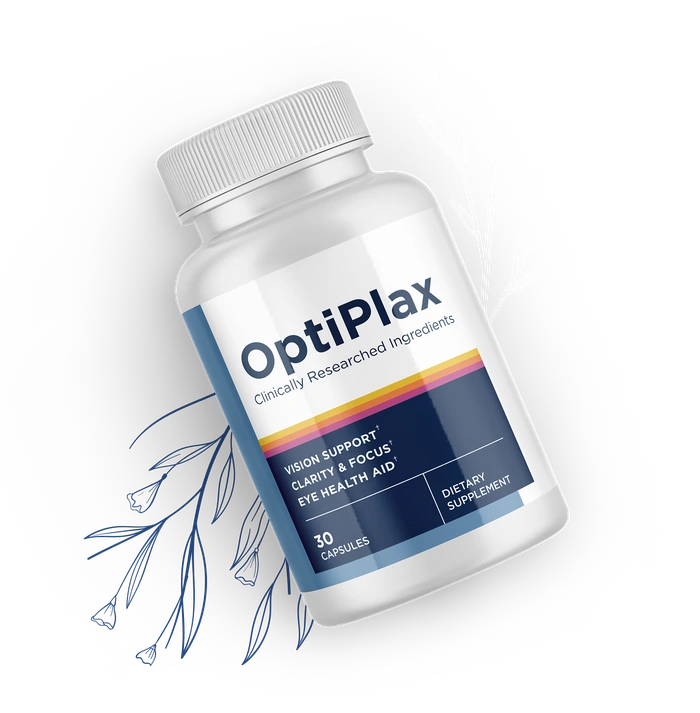
Sea buckthorn oil is a bright-orange botanical oil pressed from the berries and seeds of the Hippophae rhamnoides shrub, prized as a whole-food source of carotenoids, vitamin E and a rare omega-7 fatty acid. For eyes, it is used in traditional and dietary practice to support the moisture and comfort of dry, tired eyes — and it is one of the marine-and-botanical nutrients concentrated inside OptiPlax.
What sea buckthorn oil does for eye comfort — and where the evidence stands.
- What it is
- An orange berry-and-seed oil from the sea buckthorn shrub, dense in carotenoids, vitamin E, sterols and omega-7 fats.
- Why eyes
- Its carotenoids and fatty acids feed the same tissues that build the tear film, which is why it is linked with dry-eye comfort.
- Evidence
- Early and limited — a few small human studies are encouraging but not conclusive, so treat it as a supportive dietary nutrient.
- In OptiPlax
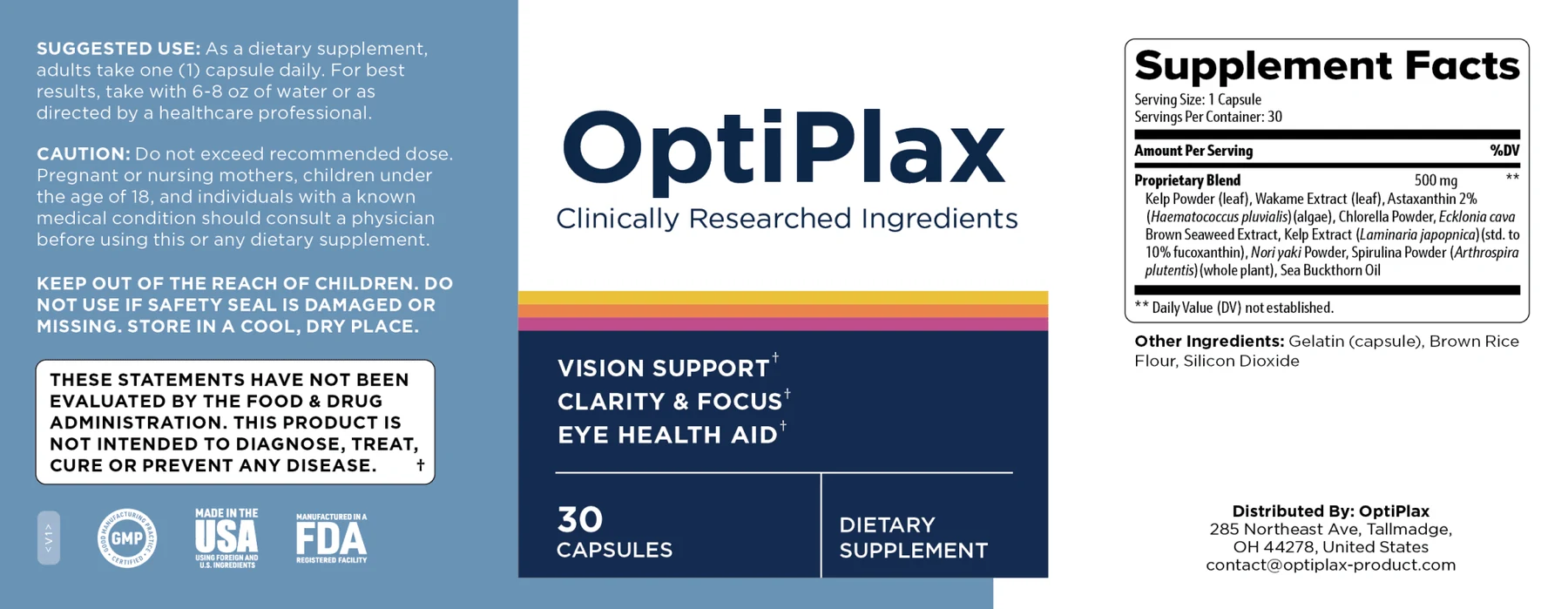
- Part of the 500 mg marine proprietary blend, alongside astaxanthin, kelp, wakame, chlorella and spirulina.
- Timeframe
- Carotenoids and fats accumulate over weeks to months, so it is a long-term habit rather than a quick fix. Results vary.
Dry, gritty, tired eyes are one of the most common complaints in a screen-heavy world, and nutrition is a lever you control at every meal. Sea buckthorn oil keeps appearing in that conversation because its nutrient profile is unusually well matched to the tissues behind a comfortable, well-lubricated eye. This guide explains what the oil contains, what the research does and does not show, and how it factors into the OptiPlax formula.
What is sea buckthorn oil?
Sea buckthorn oil is the concentrated oil of the Hippophae rhamnoides plant, a hardy orange-berried shrub of the cold, high-altitude regions of Europe and Asia. Two oils come from it: a berry-pulp oil, deep orange and rich in carotenoids and omega-7, and a seed oil, higher in omega-3 and omega-6. Together they give sea buckthorn one of the most complete fatty-acid and antioxidant profiles of any single botanical, which is why it has been used for centuries in traditional Tibetan, Mongolian and Russian practice for skin, mucous membranes and vitality.
Because the berry is so densely coloured, sea buckthorn is effectively a carotenoid store on a branch — and those orange and yellow pigments are the same family the eye relies on, the thread connecting an ancient tonic berry to a modern eye-nutrition capsule.
What nutrients in sea buckthorn oil matter for eyes?
Sea buckthorn oil earns its place in eye nutrition through four nutrient groups, each with a clear job in the tissues that keep vision comfortable. Here is what the oil delivers and why it is relevant.
Carotenoids and vitamin A precursors
The berry oil is rich in beta-carotene and zeaxanthin. Beta-carotene is a precursor the body converts to vitamin A, a nutrient the retina genuinely needs for its light-sensing chemistry, while zeaxanthin is one of the two pigments that concentrate in the macula. These are foundational eye nutrients rather than a novelty.
Vitamin E (tocopherols and tocotrienols)
Sea buckthorn is one of the better plant sources of the full vitamin E family, both tocopherols and the rarer tocotrienols. Vitamin E is a fat-soluble antioxidant that helps protect the delicate lipid membranes throughout the eye from everyday oxidative wear.
Omega-7 and a full fatty-acid spread
The stand-out feature of sea buckthorn is its high level of omega-7 (palmitoleic acid), a fatty acid that is scarce in most diets and is associated with the health of mucous membranes — the moist surfaces that include the eye. Alongside it sit omega-3, omega-6 and omega-9, giving a balance of fats relevant to the oily layer of the tear film.
Plant sterols and other antioxidants
The oil also carries phytosterols, flavonoids and vitamin C, rounding out a broad antioxidant package rather than one isolated compound — the whole-food pattern that runs through eye-nutrition research.

| Nutrient in sea buckthorn | Type | General role in eye comfort |
|---|---|---|
| Beta-carotene | Carotenoid / vitamin A precursor | Supports the retina’s light-sensing chemistry. |
| Zeaxanthin | Macular carotenoid | One of the pigments that concentrate in the macula. |
| Vitamin E | Fat-soluble antioxidant | Helps protect the eye’s lipid membranes from oxidation. |
| Omega-7 (palmitoleic acid) | Rare fatty acid | Associated with the health of moist mucous surfaces. |
| Omega-3 & 6 | Essential fats | Building blocks of the tear film’s oily layer. |
See where sea buckthorn sits in the OptiPlax blend →
Does sea buckthorn oil actually help with dry eyes?
The honest answer is that the evidence for sea buckthorn oil and dry eyes is early, small and promising rather than settled. The most cited work is a Finnish randomised trial in which participants taking oral sea buckthorn oil through the dry winter months reported less redness and burning, with changes in tear-film markers versus placebo. It is a genuine human study, but one modest trial, and a handful of others are too small to draw firm conclusions from.
Two small studies from the same Finnish research group make up most of the direct evidence: an oral sea buckthorn oil trial reported attenuated tear film osmolarity and symptoms (Larmo PS et al., The Journal of Nutrition, 2010), and a later study tested a spray emulsion applied to closed eyelids (Larmo P et al., Contact Lens & Anterior Eye, 2019). For comparison, the much larger DREAM dataset found only limited association between systemic omega-3 levels and dry eye signs (Kuklinski EJ et al., Eye & Contact Lens, 2021). Small trials are a reason for cautious interest, not for treating sea buckthorn as a remedy.
The idea is biologically plausible because dry-eye discomfort is often tied to the tear film’s oily layer and to oxidative stress on the eye surface — exactly the areas sea buckthorn’s omega-7 and antioxidants touch. But plausible mechanism plus limited data is a case for a supportive nutrient, not proof of a treatment: sea buckthorn oil is food-derived nutrition, not a medicine, and it will not resolve a medical dry-eye condition on its own.
How does sea buckthorn factor into OptiPlax?
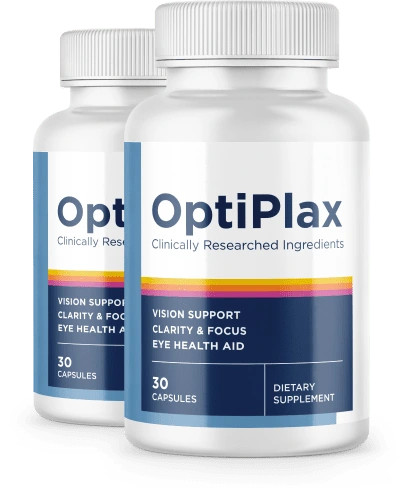
In OptiPlax, sea buckthorn oil is one botanical component of a 500 mg marine proprietary blend rather than the star of a single-ingredient pill. Its carotenoids and omega-7 sit alongside the algae carotenoid astaxanthin, fucoxanthin-rich kelp and Ecklonia cava, plus wakame, chlorella, spirulina and nori — a spread of sea-and-shore nutrients chosen so the antioxidants and fats reinforce one another instead of relying on any one compound.
Because it is a proprietary blend, the OptiPlax label lists the combined 500 mg weight rather than a figure for each ingredient, so we do not quote an exact sea-buckthorn milligram dose — and neither should anyone else. What the formula offers is a once-daily way to bring sea buckthorn together with marine carotenoids that are hard to eat in quantity. For more, see our guide to astaxanthin and marine carotenoids and the best foods and nutrients for eye health.

Sea buckthorn, minus the guesswork
OptiPlax combines sea buckthorn oil with astaxanthin and a 500 mg marine blend of kelp, wakame, chlorella and spirulina in one daily capsule. The six-bottle bundle is the best value at $49 per bottle, with free U.S. shipping.
Check today’s OptiPlax pricing →How should you use sea buckthorn oil for eye comfort?
Sea buckthorn oil is used orally as a dietary nutrient, never as an eye drop — you should not put a food oil directly into the eye. As a supplement it is taken with food, since its carotenoids and vitamin E are fat-soluble and absorb better with a meal. Consistency matters more than any single large dose, because the nutrients accumulate slowly in tissue.
- Take it with a meal: fat helps the carotenoids and vitamin E absorb.
- Be patient: allow weeks to months of daily intake before judging comfort.
- Pair it with the basics: hydration, screen breaks and an eye-friendly diet do the heavy lifting.
- Keep it oral: use it as food or in a capsule such as OptiPlax, never in the eye itself.
| Sea buckthorn myth | What is actually true |
|---|---|
| It is an instant dry-eye cure. | Evidence is early; it is a supportive nutrient, not a proven treatment. |
| You drop the oil into your eyes. | It is taken orally with food — never applied inside the eye. |
| More is always better. | High doses can cause mild digestive upset; consistency beats megadosing. |
| The berry oil equals the seed oil. | Berry oil is carotenoid- and omega-7-rich; seed oil favours omega-3 and 6. |
Who might consider it, and who should be cautious?
Sea buckthorn oil is generally well tolerated as a food, so it suits people whose eyes feel dry, gritty or tired after long screen days and who want a whole-food angle. Even so, more is not better: higher doses can cause mild digestive upset, and because the fatty acids may mildly affect bleeding and blood pressure, anyone on blood-thinning or blood-pressure medication should be cautious. If you are pregnant, breastfeeding or managing a condition, check with a healthcare professional first. And none of this replaces an eye exam — persistent dry eye deserves a clinician’s look, not just a capsule.
Frequently asked questions
What is sea buckthorn oil good for in the eyes?
Sea buckthorn oil is a whole-food source of carotenoids, vitamin E and unusual omega-7 fatty acids. In traditional and dietary use it is valued for supporting the moisture and comfort of dry, tired eyes, though it is a nutritional ingredient rather than a treatment for any eye condition.
Does sea buckthorn oil help with dry eyes?
Small studies have looked at oral sea buckthorn oil and markers of tear-film comfort, with some encouraging but preliminary findings. The evidence is early and limited, so sea buckthorn should be seen as a supportive dietary nutrient for eye comfort, not a proven dry-eye remedy.
What nutrients are in sea buckthorn oil?
Sea buckthorn oil is rich in carotenoids such as beta-carotene and zeaxanthin, tocopherols and tocotrienols (vitamin E), plant sterols, and a rare balance of omega-7 (palmitoleic acid) alongside omega-3, 6 and 9 fatty acids.
Is sea buckthorn in OptiPlax?
Yes. Sea buckthorn oil is one component of the 500 mg marine proprietary blend in OptiPlax, alongside astaxanthin, fucoxanthin-rich kelp, wakame, chlorella and spirulina. It is delivered in a proprietary blend, so the label lists the total blend weight rather than each ingredient separately.
How long does sea buckthorn take to work for eye comfort?
Nutritional ingredients act gradually. Carotenoids and fatty acids build up in tissue over weeks to months of consistent intake, so sea buckthorn oil is best viewed as a long-term dietary habit for eye comfort rather than a same-day fix. Individual results vary.
Are there any side effects of sea buckthorn oil?
Sea buckthorn oil is generally well tolerated as a food. Some people notice mild digestive upset at higher doses. If you are pregnant, breastfeeding, take blood-thinning or blood-pressure medication, or have a medical condition, check with a qualified healthcare professional first.
Try OptiPlax with sea buckthorn risk-free for 60 days →
OptiPlax is a dietary supplement, not a treatment for any medical condition. These statements have not been evaluated by the Food and Drug Administration. This product is not intended to diagnose, treat, cure or prevent any disease. Always consult a qualified healthcare professional about your individual needs.
References & further reading
- Larmo PS, et al. Oral sea buckthorn oil attenuates tear film osmolarity and symptoms in individuals with dry eye. The Journal of Nutrition, 2010. pubmed.ncbi.nlm.nih.gov/20554904
- Larmo P, et al. Effects of a sea buckthorn oil spray emulsion on dry eye. Contact Lens & Anterior Eye, 2019. pubmed.ncbi.nlm.nih.gov/30497904
- National Center for Complementary and Integrative Health (NCCIH). Antioxidants. nccih.nih.gov/health/antioxidants-in-depth
- National Eye Institute (NIH). Keep Your Eyes Healthy — diet and nutrition. nei.nih.gov/learn-about-eye-health/healthy-vision
- Mayo Clinic. Dry eyes — symptoms and self-care. mayoclinic.org/diseases-conditions/dry-eyes
- Kuklinski EJ, et al. Associations Between Systemic Omega-3 Fatty Acid Levels With Moderate-to-Severe Dry Eye Disease Signs and Symptoms at Baseline in the DREAM Study. Eye & Contact Lens, 2021. pubmed.ncbi.nlm.nih.gov/32097181
These references describe the ingredient and eye nutrition in general terms and do not constitute evidence that any product treats, cures or prevents any condition.
Keep reading: astaxanthin and marine carotenoids · best foods for eye health · support healthy vision naturally · the OptiPlax review.