How to relieve dry eyes naturally, the OptiPlax way
Updated August 2026 · reviewed by the OptiPlax Research Team. We are an independent information resource, not a medical provider, and this article is educational rather than medical advice.
To relieve dry eyes naturally, work on the causes you can control: raise the humidity around you, stay well hydrated, blink fully and rest your eyes from screens, and feed the tear film with omega-3 and carotenoid-rich foods. None of these is a cure, but together they are the low-risk, everyday routine most people reach for first — and where a marine blend such as OptiPlax quietly fits in.
The simplest natural steps for everyday dry-eye comfort.
- Fix the air
- Add humidity, avoid direct fans and vents, and take screens down to eye level to slow tear evaporation.
- Hydrate
- Drink water steadily through the day; the watery layer of tears depends on whole-body hydration.
- Blink and feed
- Use the 20-20-20 habit, and eat omega-3 fish, eggs and marine carotenoids to support tear quality over weeks.
- Where OptiPlax fits
- OptiPlax concentrates astaxanthin and a sea-nutrient blend into one daily capsule to complement, not replace, these habits.
Dry, gritty, tired eyes are one of the most common everyday complaints, and modern life makes them worse: heated rooms, long screen sessions and less time outdoors all dry the surface of the eye. The good news is that many of the levers are simple and free. This guide covers the natural approaches that ease mild dryness, the foods and nutrients that support the tear film, and where OptiPlax fits in.

Why do eyes get dry in the first place?
Dry eye happens when the tear film that coats the eye is too thin or evaporates too fast, leaving the surface exposed. That film has three layers: an oily outer layer from the eyelid glands that slows evaporation, a watery middle layer that carries oxygen and nutrients, and an inner mucus layer that helps tears spread evenly. When any layer is short-changed — by dry air, a low blink rate, dehydration or ageing glands — the eye feels gritty, tired or paradoxically watery.
Most everyday dryness is environmental and behavioural rather than a medical disorder, which is exactly why lifestyle habits help. Persistent, painful or vision-affecting symptoms deserve a proper eye exam. The steps below are for the common, mild kind — the sort that flares on a long screen day or in a heated winter room.
How can you relieve dry eyes naturally at home?
The most effective natural relief for dry eyes usually comes from changing the environment and habits that dry them out, not from any single product. Four adjustments do most of the work.
Can changing the air in the room help?
Dry indoor air is one of the biggest culprits, so adding moisture back is a high-value fix. A small humidifier in the room where you sleep or work keeps the tear film from evaporating as quickly. Keep direct airflow — car vents, desk fans, hairdryers, air-conditioning — pointed away from your face, and lower your screen so you look slightly downward.
Does drinking more water actually matter?
The watery middle layer of your tears is drawn from your body’s overall fluid balance, so mild dehydration shows up as extra dryness. Sipping water steadily through the day is a simple, no-cost habit, and balancing dehydrating caffeine and alcohol with water helps eye comfort too.
How do screen breaks and blinking help?
When you concentrate on a screen, your blink rate can fall by half, and many of those blinks are incomplete, so the tear film thins between them. The 20-20-20 habit — every 20 minutes, look about 20 feet away for 20 seconds — interrupts the stare and prompts a few full, refreshing blinks. A monitor just below eye level helps too.
What about warm compresses and lid care?
A warm compress held gently over closed lids for a few minutes softens the oil in the eyelid glands so it flows into the tear film more freely, improving that evaporation-slowing outer layer. Following it with gentle lid hygiene — a clean, warm washcloth along the lash line — keeps the gland openings clear, and many people find it eases end-of-day grittiness.

| Natural approach | What it targets | How to do it |
|---|---|---|
| Humidifier | Fast tear evaporation | Run one in the room you sleep or work in; aim for comfortable, not damp, air. |
| Redirect airflow | Wind across the eye | Point fans, vents and dryers away from your face. |
| Hydration | Watery tear layer | Sip water through the day; balance caffeine and alcohol. |
| 20-20-20 breaks | Low, incomplete blinking | Every 20 min, look ~20 ft away for 20 sec and blink fully. |
| Warm compress | Oily tear layer | Warm cloth on closed lids for 3-5 min, then gentle lid hygiene. |

Give your routine a marine top-up
Once the air, hydration and screen habits are in place, OptiPlax adds the antioxidant marine carotenoids — astaxanthin with a 500 mg kelp, wakame, chlorella and spirulina blend — that are hardest to get from food.
Check today’s OptiPlax pricing →Which vitamins and nutrients help dry eyes?
The nutrients most closely tied to a comfortable tear film are omega-3 fats and vitamin A, supported by antioxidant carotenoids that protect the eye surface. Diet works slowly, but it is the foundation everything else builds on.
The omega-3 evidence is mixed rather than settled: baseline data from the DREAM study found only limited association between systemic omega-3 levels and the signs and symptoms of moderate-to-severe dry eye (Kuklinski EJ et al., Eye & Contact Lens, 2021). Sea buckthorn oil has one small randomised trial reporting attenuated tear-film osmolarity (Larmo PS et al., The Journal of Nutrition, 2010) and a later spray-emulsion study (Larmo P et al., Contact Lens & Anterior Eye, 2019); both were small.
Why do omega-3 fats matter for tears?
Omega-3 fatty acids (DHA and EPA) form part of the retina and contribute to the oily tear layer that slows evaporation. Oily fish such as salmon, sardines and mackerel are the classic source, with algae oil as a plant-based option. It is one of the most studied dietary levers for tear quality, though findings are mixed — general support, not a remedy.
What does vitamin A do for the eye surface?
Vitamin A helps maintain the mucus-producing cells that keep the eye surface moist and tears spreading evenly. The body makes it from beta-carotene in orange and yellow vegetables, and gets it directly from eggs and dairy. A varied diet supplies plenty; deficiency is uncommon in well-fed populations.
Where do carotenoids like astaxanthin come in?
Astaxanthin and lutein are antioxidant carotenoids in marine foods and leafy greens that help the eye manage the oxidative stress of light exposure. They are the hardest nutrients to get in quantity from a typical Western diet, which is why marine formulas are of interest. Our guide to astaxanthin and marine carotenoids goes deeper.
| Nutrient | Food sources | General role for dry-eye comfort |
|---|---|---|
| Omega-3 (DHA/EPA) | Salmon, sardines, algae oil | Part of the oily tear layer that slows evaporation. |
| Vitamin A | Orange veg, eggs, dairy | Supports the moist, mucus-producing eye surface. |
| Astaxanthin | Algae, salmon, krill | Marine antioxidant for light-exposed eye tissue. |
| Lutein & zeaxanthin | Leafy greens, egg yolk | Macular carotenoids and everyday antioxidant support. |
| Water & electrolytes | Fluids, fruit, vegetables | Feed the watery layer of the tear film. |
How does hydration affect the tear film?
Hydration for the eyes works from the inside out: the watery layer of your tears is drawn from the same fluid balance that keeps the rest of you hydrated, so steady water intake is a direct, if gentle, input to tear volume. It is not a cure-all — if your dryness comes from blocked oil glands or dry air, water alone will not solve it — but chronic under-drinking reliably makes eyes feel worse. Pairing hydration with external humidity supports the tear film from both directions.
Where does OptiPlax fit into a natural routine?
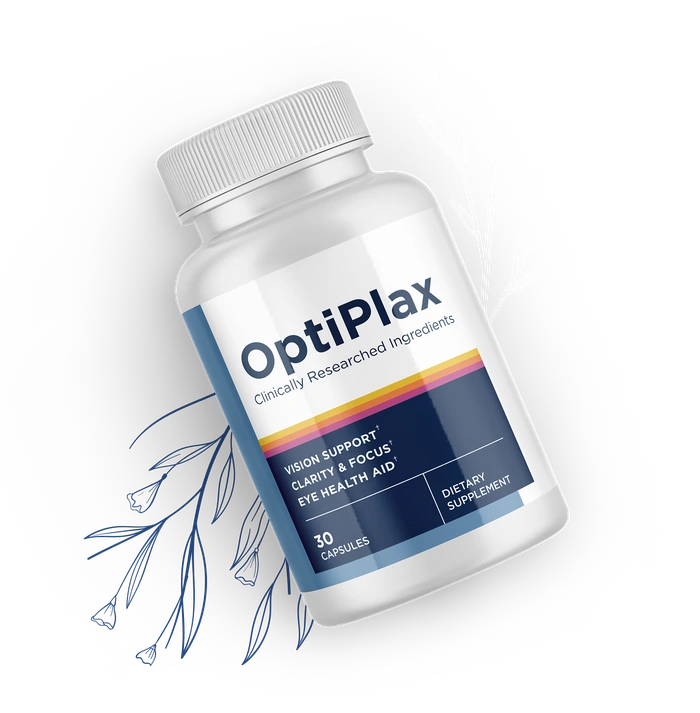
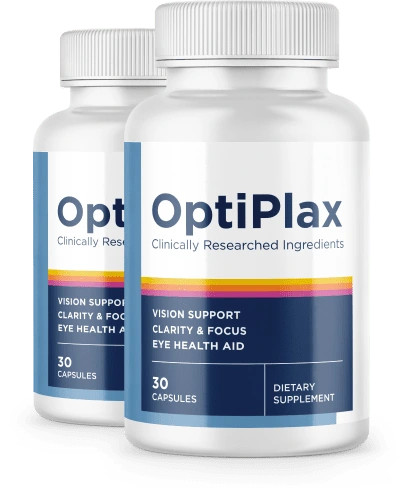
OptiPlax fits at the end of the list, not the start: it is a once-daily marine-carotenoid supplement meant to complement good habits, never to replace them. After you have sorted the air, hydration and screen breaks, OptiPlax adds astaxanthin alongside a 500 mg blend of kelp, wakame, chlorella and spirulina — the antioxidant sea nutrients hard to eat in quantity. It is a dietary supplement, not a medicine, and it will not fix a medical dry-eye disorder. For the full breakdown, read the OptiPlax review, or see how to support healthy vision naturally.
What does a simple daily anti-dryness routine look like?
You do not need a complicated regimen — just small habits stitched into the day. A realistic template:
- Morning: water on waking, and a warm compress if eyes feel gritty.
- Work blocks: monitor below eye level, 20-20-20 break every 20 minutes.
- Environment: humidifier running, fans and vents aimed away from your face.
- Meals: oily fish twice a week, colourful vegetables and eggs daily.
- Daily top-up: one OptiPlax capsule with water for marine carotenoids.
- Evening: screens down earlier, gentle lid hygiene at bedtime.
Consistency is the whole game. Environmental fixes can ease discomfort within a day, while the nutrition side builds over weeks to months, and results always vary.
Frequently asked questions
How can I relieve dry eyes naturally at home?
Start with the air and your habits: raise indoor humidity, drink enough water, blink fully and take regular screen breaks, and use a warm compress on the lids. Eating more omega-3 and carotenoid-rich foods supports the tear film over time. These comfort measures suit mild, everyday dryness; persistent or painful symptoms deserve an eye exam.
What vitamins help with dry eyes?
Omega-3 fats and vitamin A are the nutrients most often linked with tear-film quality, alongside antioxidant carotenoids such as astaxanthin and lutein. They come from oily fish, eggs, colourful vegetables and marine plants. Nutrition supports the eye gradually rather than acting as a fast remedy, and individual results vary.
Does drinking more water help dry eyes?
Staying well hydrated helps your body produce the watery part of tears, so mild dehydration can make dryness feel worse. Water alone will not fix every dry-eye cause, but steady hydration through the day is a simple, low-risk habit that supports overall eye comfort.
How do screens cause dry eyes?
People blink far less when concentrating on a screen, which leaves the tear film to evaporate between blinks. The 20-20-20 habit — every 20 minutes, look about 20 feet away for 20 seconds — prompts fuller blinking and gives the surface of the eye a moment to re-wet.
Can OptiPlax cure dry eyes?
No. OptiPlax is a dietary supplement, not a treatment or cure for any condition. It supplies marine carotenoids such as astaxanthin plus a sea-nutrient blend that complement an eye-friendly diet and lifestyle. Anyone with a diagnosed dry-eye disorder should follow the advice of a qualified eye-care professional.
How long do natural dry-eye habits take to work?
Environmental fixes like humidity and screen breaks can ease discomfort the same day, while nutrition works over weeks to months as carotenoids and omega-3 fats build up in eye tissue. Consistency matters more than intensity, and results differ from person to person.
See the exact dose in OptiPlax — from $49/bottle →
OptiPlax is a dietary supplement, not a treatment for any medical condition. These statements have not been evaluated by the Food and Drug Administration. This product is not intended to diagnose, treat, cure or prevent any disease. Always consult a qualified healthcare professional about your individual needs.
References & further reading
- National Eye Institute (NIH). Dry Eye. nei.nih.gov/learn-about-eye-health/eye-conditions-and-diseases/dry-eye
- Mayo Clinic. Dry eyes — self-care. mayoclinic.org/diseases-conditions/dry-eyes
- National Center for Complementary and Integrative Health (NCCIH). Omega-3 Supplements. nccih.nih.gov/health/omega3-supplements-in-depth
- Examine.com. Astaxanthin. examine.com/supplements/astaxanthin
- Kuklinski EJ, et al. Associations Between Systemic Omega-3 Fatty Acid Levels With Moderate-to-Severe Dry Eye Disease Signs and Symptoms at Baseline in the DREAM Study. Eye & Contact Lens, 2021. pubmed.ncbi.nlm.nih.gov/32097181
- Larmo PS, et al. Oral sea buckthorn oil attenuates tear film osmolarity and symptoms in individuals with dry eye. The Journal of Nutrition, 2010. pubmed.ncbi.nlm.nih.gov/20554904
- Larmo P, et al. Effects of a sea buckthorn oil spray emulsion on dry eye. Contact Lens & Anterior Eye, 2019. pubmed.ncbi.nlm.nih.gov/30497904
These references describe dry-eye care and nutrients in general terms and do not constitute evidence that any product treats, cures or prevents any condition.
Keep reading: support healthy vision naturally · best foods for eye health · the OptiPlax blog · homepage.