How to reduce digital eye strain naturally with OptiPlax
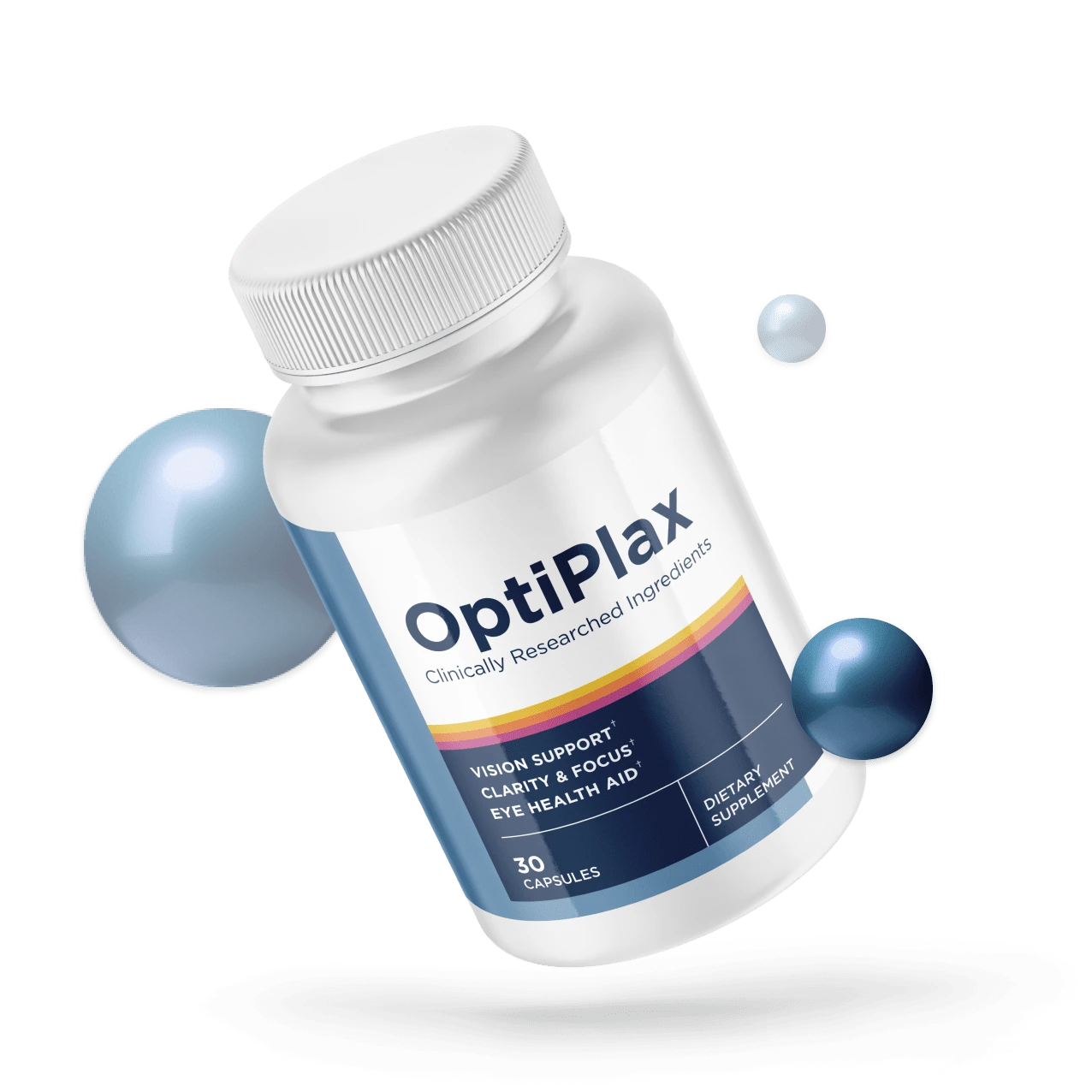
Updated August 2026 · reviewed by the OptiPlax Research Team. We are an independent information resource, not a medical provider; this article is educational, not medical advice.
To reduce digital eye strain naturally, take regular distance breaks, blink often, cut glare and keep your screen at a comfortable distance and brightness — then support the whole system with an eye-friendly diet. Screen fatigue is driven mostly by too little blinking and too few breaks, so small habit changes matter more than any single gadget, and they cost nothing to try today.
The natural habits that ease tired eyes from screens — and where nutrition fits.
- Break rule
- Use the 20-20-20 rule: every 20 minutes, look 20 feet away for 20 seconds to relax the focusing muscle.
- Blink on purpose
- You blink less than half as often at a screen, so blink fully to refresh the tear film.
- Fix the setup
- Cut glare, match screen brightness to the room, and keep the display about an arm’s length away.
- Feed the tissue
- A carotenoid-rich diet supports light-exposed eye tissue; OptiPlax tops up marine carotenoids in one daily capsule.
If your eyes feel gritty, dry or tired after a long day of screens, you are describing digital eye strain. The reassuring part is that most relief comes from habits you fully control: how often you look away, how bright your screen is, and what you eat. This guide covers each lever, then shows where a marine formula like OptiPlax fits on screen-heavy days.

What is digital eye strain, exactly?
Digital eye strain, sometimes called computer vision syndrome, is the cluster of temporary symptoms that follow prolonged screen use rather than a disease of the eye itself. It is the eye and its focusing system reacting to hours of close, fixed-distance work in a bright, low-blink environment — and it eases once the visual demands ease.
What are the usual symptoms?
The most common signs are tired or aching eyes, dryness or a gritty sensation, blurred vision that comes and goes, light sensitivity, and headaches around the brow. Neck and shoulder tension often travels with them. None are dangerous alone, but they quietly drain focus across a working day.
Why do screens tire the eyes so much?
Screens combine several small stresses at once. You hold a single close focus for long stretches, which keeps the eye’s focusing muscle contracted; you blink far less than normal, so the tear film thins; and you often battle glare or a display brighter than the room. Strain is the sum of those minor demands, which is why several small corrections add up to real relief.
How does the 20-20-20 rule ease tired eyes from screens?
The 20-20-20 rule is the simplest structured way to break up close focus: every 20 minutes, look at something roughly 20 feet away for at least 20 seconds. Shifting to distance lets the focusing muscle relax from its near-work contraction, and the pause prompts a burst of full blinks that re-spread the tear film. It cures nothing, but as a low-effort habit repeated through the day it is one of the most widely recommended answers to screen fatigue.
The 20-20-20 rule is sensible rather than precisely validated. A paper in Optometry and Vision Science examined whether its specific numbers are justified and concluded the interval and distance are practical conventions rather than trial-derived thresholds (Johnson S, Rosenfield M, Optometry and Vision Science, 2023). Break scheduling itself does measurably affect strain symptoms and accommodation (Redondo B et al., Experimental Eye Research, 2025), and tear-film changes have been documented in symptomatic display-terminal users (Srivastav S et al., The Ocular Surface, 2023).
The trick is remembering to do it: tie the break to something that already happens — the end of an email, a notification, a sip of water — or set a gentle timer. Standing up or glancing out a window also adds movement that helps the neck and shoulders.
| Habit | What to do | Why it helps eye comfort |
|---|---|---|
| 20-20-20 breaks | Every 20 min, look 20 ft away for 20 sec | Relaxes the focusing muscle and triggers blinking. |
| Deliberate blinking | Blink fully and often; pause to close eyes | Refreshes the tear film that screens dry out. |
| Cut glare | Reposition lights and windows; matte the screen | Reduces the squint-and-strain reflex. |
| Match brightness | Set screen to match room, warm it at night | Less contrast shock, easier prolonged viewing. |
| Viewing distance | Screen about an arm’s length, top at eye level | Comfortable focus and better neck posture. |
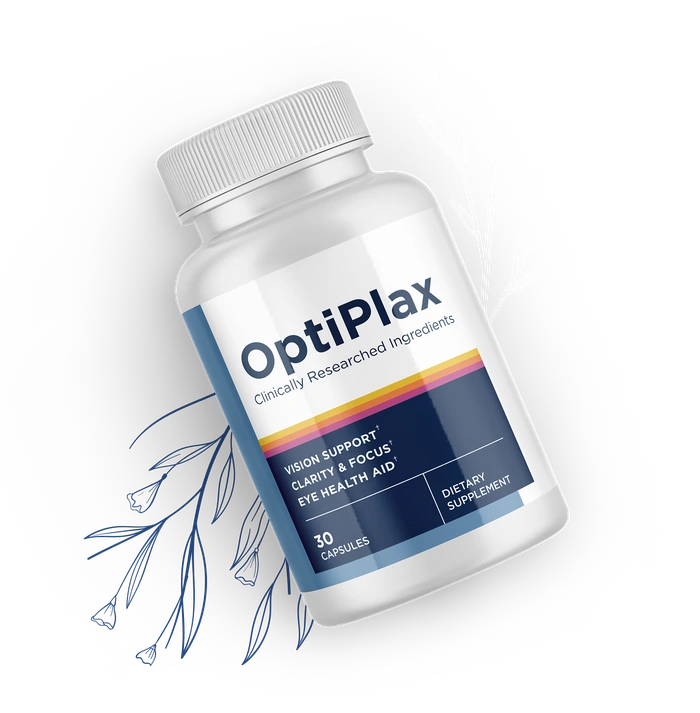

A daily companion for screen-heavy days
OptiPlax pairs astaxanthin with a 500 mg blend of kelp, wakame, chlorella and spirulina in one daily capsule. See the exact dose — the six-bottle pack is best value at $49 per bottle, free U.S. shipping.
See the exact dose in OptiPlax — from $49/bottleHow should you set up lighting and your screen?
Most screen fatigue that survives good break habits comes down to glare and brightness — two things a few minutes of setup can fix. The goal is a screen that sits comfortably inside its surroundings, not blazing out of a dark room or fighting a window behind it.
How do you kill glare?
Position your monitor so windows are to the side rather than in front of or behind you, and close blinds when the sun is low. Overhead lights are a common hidden culprit; a softer desk lamp usually beats a bright ceiling light, and a matte screen or anti-glare filter helps if reflections persist.
What about brightness and text size?
Set brightness to roughly match the room — if the display looks like a light source, it is too bright; if it looks grey, too dim. Bump up text size so you are not leaning in or squinting, and warm the colour temperature in the evening. Bigger, higher-contrast text reduces the fine focusing effort that builds over hours.
Why does blinking matter for eye comfort?
Blinking is the eye’s built-in windscreen wiper, and screens switch it off. Studies of concentrated screen work consistently find people blink less than half as often as usual, and that many of those blinks are incomplete. Each full blink resurfaces the tear film — the thin, oily layer that keeps the front of the eye smooth and comfortable — so less blinking means faster evaporation, the dryness at the heart of screen fatigue.
The fix is awareness. During your 20-20-20 breaks, close your eyes fully for a second or two and let them rewet; a sticky note on the monitor makes a simple blink reminder. In dry or air-conditioned rooms, a humidifier and regular water help, and preservative-free lubricating drops suit occasional dryness.

Can nutrition help with screen fatigue?
Nutrition supports the tissues involved in comfortable vision rather than switching off strain directly, so it is a long-term lever, not a quick fix. The eye leans on a handful of nutrients daily: lutein and zeaxanthin, which concentrate in the light-exposed macula; astaxanthin, a marine antioxidant studied for light-stressed tissue; and omega-3 fats, part of the oily tear-film layer that screens deplete. A varied, colourful diet is the foundation.
Nutrition is the last lever here rather than the first, and choosing between products is its own exercise — the guide to the best eye supplements for screen users covers what actually distinguishes one from another. Because screen fatigue and dryness usually arrive together, the companion piece on how to relieve dry eyes naturally handles the tear-film half of the same problem.
Where a typical diet falls short is the marine end of that list — oily fish and sea vegetables that most people rarely eat. That is the gap OptiPlax is built to fill: a once-daily capsule concentrating astaxanthin with kelp, wakame, chlorella and spirulina, so the hardest-to-reach carotenoids arrive without a change of diet — a companion for screen-heavy days, not a treatment. For the science, read our guide to astaxanthin and marine carotenoids, or see how to support healthy vision naturally.
| Nutrient | Found in | General role for eye comfort |
|---|---|---|
| Lutein & zeaxanthin | Greens, corn, egg yolk | Concentrate in the macula and help filter high-energy light. |
| Astaxanthin | Algae, salmon, krill | A marine antioxidant studied for light-exposed eye tissue. |
| Omega-3 (DHA/EPA) | Oily fish, algae oil | Structural fats of the retina and the tear film. |
| Vitamin A | Orange veg, liver, dairy | Needed for the retina’s light-sensing process. |
| Water & fluids | Water, soups, fruit | Supports a stable, comfortable tear film. |
What does a screen-heavy day look like?
The habits above only work when stitched into an ordinary day rather than saved for when your eyes already ache. A simple template for a desk-bound schedule:
- Morning setup: screen an arm’s length away, top at eye level, brightness matched to the room, windows to the side.
- Every 20 minutes: glance 20 feet away for 20 seconds and blink fully.
- Mid-morning: a stand-up break, water, and a longer look out of a window.
- Lunch: a colourful, carotenoid-rich plate — greens, orange veg, and fish or eggs.
- Afternoon: warm the colour temperature, keep blinking, repeat the distance breaks.
- Daily top-up: one OptiPlax capsule with water for marine carotenoids.
- Evening: dim screens before bed for a screen-free wind-down.
None of this is dramatic, and that is the point — digital eye strain responds to consistency, not intensity. Stack a few of these habits and most people notice less tired eyes by day’s end. Individual results vary.
Frequently asked questions
What is the fastest way to reduce digital eye strain?
The highest-value habit is the 20-20-20 rule: every 20 minutes, look about 20 feet away for at least 20 seconds. It relaxes the focusing muscle and prompts blinking, which together ease the tired, dry feeling that builds during long screen sessions.
Does the 20-20-20 rule actually work?
It is a simple, widely recommended way to build regular focus breaks into screen time. It cures no eye condition, but frequent distance breaks are a sensible, low-effort habit many people find eases the fatigue of prolonged near work. Evidence is modest and results vary.
Do blue-light glasses help with screen fatigue?
Current research does not show that blue-light-filtering glasses meaningfully reduce digital eye strain for most people. The bigger drivers are reduced blinking, glare and infrequent breaks, so habit and setup changes tend to matter more than special lenses.
Why do my eyes feel dry and tired after screen time?
When you concentrate on a screen you blink less than half as often as normal, so the tear film that keeps the eye comfortable evaporates faster. Add glare, small text and hours of fixed-distance focus, and you get the gritty, tired feeling of digital eye strain.
Can nutrition help with tired eyes from screens?
Nutrition supports the tissues involved in comfortable vision rather than fixing strain directly. Carotenoids such as lutein, zeaxanthin and astaxanthin concentrate around light-exposed eye tissue, and omega-3 fats form part of the tear film. A colourful diet is the foundation; some people top up with a marine-carotenoid supplement such as OptiPlax.
How is OptiPlax meant to fit a screen-heavy routine?
OptiPlax is a once-daily marine-carotenoid capsule combining astaxanthin with a 500 mg blend of kelp, wakame, chlorella and spirulina. It is a nutritional companion to good screen habits, not a replacement for breaks, blinking and sensible lighting. It is a supplement, not a treatment for any condition.
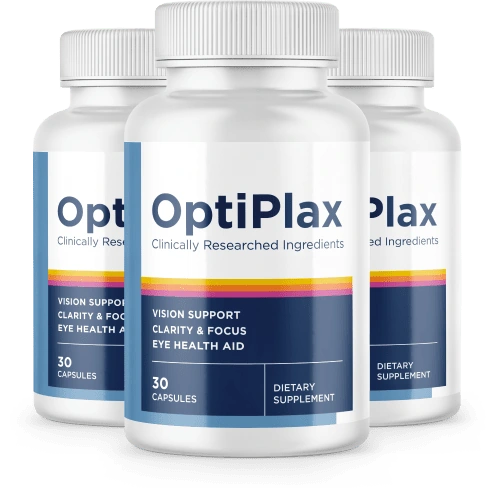
Make it a daily habit
Pair your new screen habits with a daily marine-carotenoid capsule. Check today’s OptiPlax pricing and try it risk-free with the 60-day guarantee.
Check today’s OptiPlax pricing →OptiPlax is a dietary supplement, not a treatment for any medical condition, including digital eye strain or dry eye. These statements have not been evaluated by the Food and Drug Administration. This product is not intended to diagnose, treat, cure or prevent any disease. If eye symptoms are severe or persistent, see a qualified eye-care professional.
References & further reading
- Mayo Clinic. Eyestrain. mayoclinic.org/diseases-conditions/eyestrain
- National Eye Institute (NIH). Keep Your Eyes Healthy. nei.nih.gov/learn-about-eye-health/healthy-vision
- Srivastav S, et al. Tear film changes in symptomatic versus asymptomatic video display terminal users following computer challenge test. The Ocular Surface, 2023. pubmed.ncbi.nlm.nih.gov/37595798
- Singh S, Downie LE, et al. Blue-light filtering spectacle lenses for visual performance, sleep, and macular health in adults. Cochrane Database of Systematic Reviews, 2023. pubmed.ncbi.nlm.nih.gov/37593770
- Examine.com. Astaxanthin. examine.com/supplements/astaxanthin
- NCCIH (NIH). Antioxidants. nccih.nih.gov/health/antioxidants-in-depth
- Sheppard AL, Wolffsohn JS. Digital eye strain: prevalence, measurement and amelioration. BMJ Open Ophthalmology, 2018. pubmed.ncbi.nlm.nih.gov/29963645
- Redondo B, et al. The impact of break schedules on digital eye strain symptoms and ocular accommodation during prolonged near work. Experimental Eye Research, 2025. pubmed.ncbi.nlm.nih.gov/40466853
These references describe screen habits and nutrients in general terms and are not evidence that any product treats, cures or prevents any condition.
Keep reading: support healthy vision naturally · best foods for eye health · the full OptiPlax review · the OptiPlax blog.