Best eye supplements for screen users: the OptiPlax pick for 2026
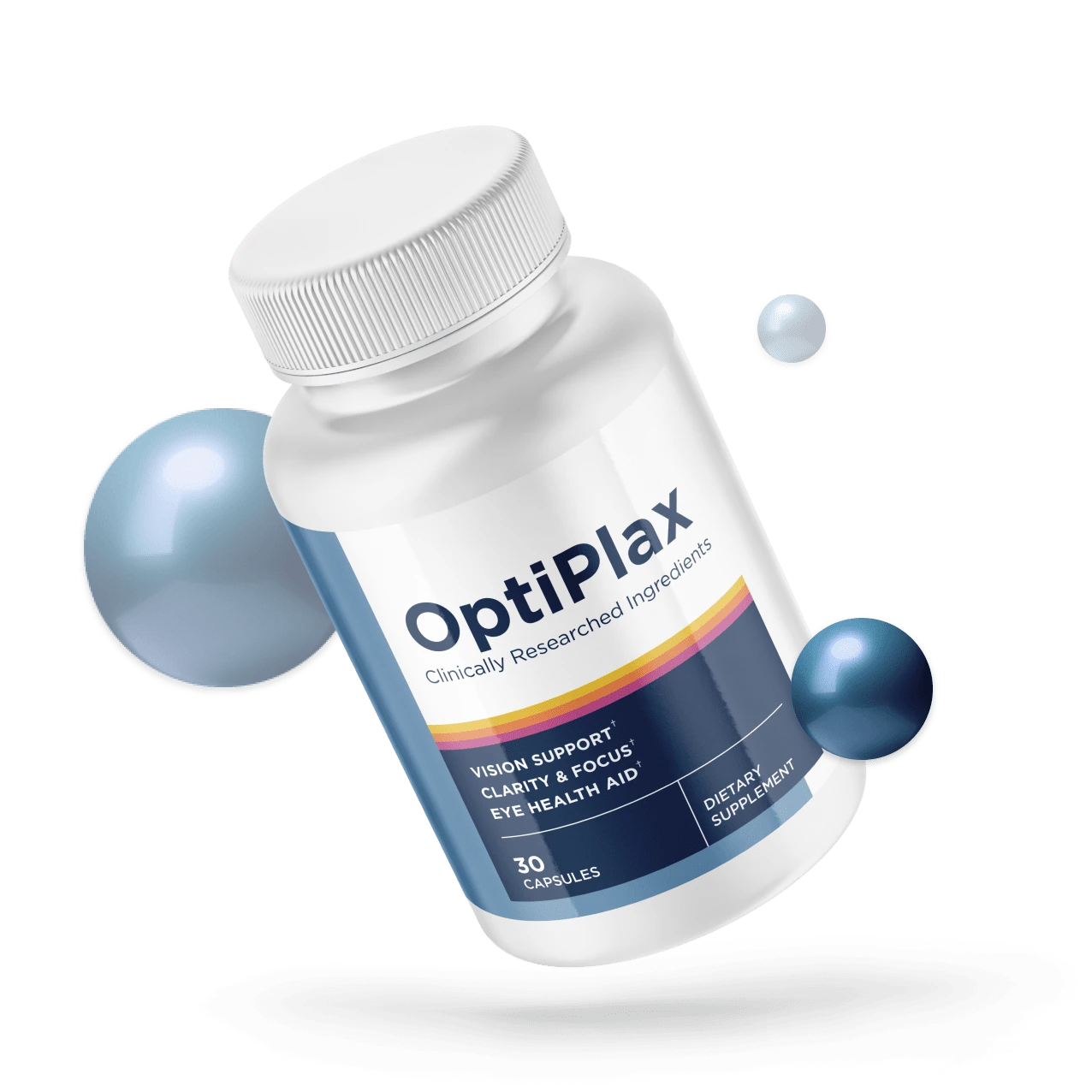
Updated September 2026 · reviewed by the OptiPlax Research Team. We are an independent information resource, not a medical provider, and this article is educational rather than medical advice.
The best eye supplements for screen users are simple, antioxidant-focused formulas you can take every single day without thinking about it — ideally one capsule, built on well-studied carotenoids rather than a crowded label. For monitor-bound days, consistency and a short ingredient list beat complexity, which is exactly the brief a once-daily marine formula like OptiPlax is designed to meet. Supplements support good screen habits and a colourful diet; they do not treat digital eye strain or any eye disease.
What screen-heavy users should actually look for, in one place.
- The short version
- The best eye supplement for a screen user is the one you will take daily — a simple, antioxidant-led capsule that supports a nutrient-rich diet and good screen habits, not a cure for tired eyes.
- Simplicity
- A single daily capsule with a short, transparent label is easier to keep through busy office weeks than a multi-pill regimen.
- Antioxidants
- Look for carotenoids such as astaxanthin, lutein, zeaxanthin and marine antioxidants studied for the light-exposed tissues of the eye.
- Consistency
- These nutrients build support gradually over weeks, so daily use matters more than any single dose.
- Honesty
- Choose brands that make support claims, not disease claims, and pair the capsule with the 20-20-20 rule and regular eye exams.
If you spend your working day at a monitor, you know the end-of-day feeling of tired, dry, faintly blurred eyes. The smart question is narrow: what should a screen user actually want from an eye supplement, and which products meet that brief without over-promising? This guide answers that, then shows where OptiPlax fits a screen-heavy routine.
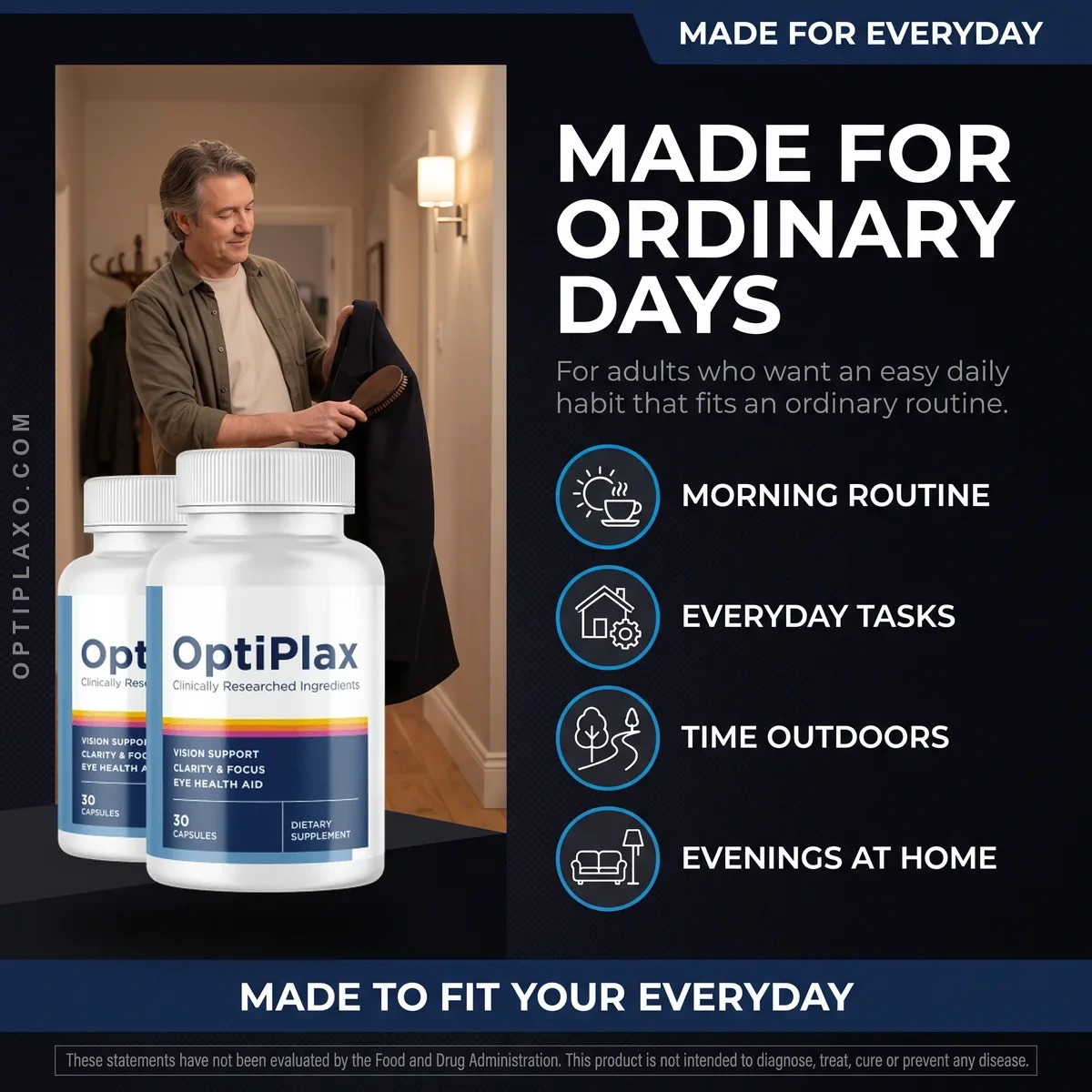
Why do screen-heavy days leave eyes tired?
Screen fatigue is the cluster of tiredness, dryness and blur that follows long stretches of fixed, close-up focus on a bright display. Two mechanics drive it: the tiny muscles that focus the lens hold a near-focus contraction for hours, and your blink rate drops by more than half, so the tear film evaporates faster than it is replaced. Neither is permanent damage — ordinary screen use mainly causes temporary digital eye strain — but both explain why comfort dips by mid-afternoon. This tells you what a supplement can and cannot do: it will not relax an overworked focusing muscle, but the right nutrients can support the light-exposed tissues those hours put under load.
Digital eye strain is a measurable, well-described symptom cluster rather than a marketing invention. A review in BMJ Open Ophthalmology traces it mainly to reduced blink rate, sustained focusing effort and uncorrected refractive error (Sheppard AL, Wolffsohn JS, BMJ Open Ophthalmology, 2018), and a Cochrane review found no clear short-term benefit from blue-light filtering lenses for those symptoms (Singh S, Downie LE et al., Cochrane Database of Systematic Reviews, 2023). That is why habits and a correct prescription outrank any capsule.
What should screen users look for in an eye supplement?
The best eye supplements for screen users share four traits: they are simple to take, antioxidant-led, easy to keep daily, and honest about what they do. The formula you take every morning beats the one you forget in a drawer.
Is a one-capsule dose really better?
For adherence, yes. The benefit of any nutrient depends entirely on taking it consistently, so simplicity is a supplement's most underrated feature. A once-daily capsule you can anchor to your first coffee is easier to sustain than a three-pill stack, and adherence is where most routines quietly fail. Time-poor screen users benefit most from the lowest-friction option.
Which antioxidants and carotenoids matter?
Carotenoids are the plant and algae pigments most associated with the eye, and they are what to scan a label for. Lutein and zeaxanthin concentrate in the macula and help filter high-energy light; astaxanthin is a marine carotenoid studied for light-exposed tissues; and antioxidant vitamins and marine extracts round out everyday nutritional support. Look for a short list of these in recognisable forms, not a long tail of unfamiliar extras.

What about transparency and honest claims?
A trustworthy eye supplement tells you what is in it and what it is for — general eye-health and nutritional support — without promising to cure fatigue, sharpen eyesight or replace glasses. Any product that claims to treat a disease is showing a red flag, not a feature. The best labels are modest, specific and paired with a guarantee that lets you try without risk.
| What to look for | Why it matters for screen users | Warning sign |
|---|---|---|
| One daily capsule | Low friction means you actually keep the habit through busy weeks | Multi-pill regimens that are easy to skip |
| Antioxidant carotenoids | Astaxanthin, lutein, zeaxanthin and marine antioxidants support light-exposed tissues | Proprietary blends with no recognisable actives |
| Short, transparent label | You can see exactly what you are taking and at what dose | Long tails of trace ingredients at token amounts |
| Honest support claims | Sets realistic expectations and stays compliant | Promises to cure fatigue, sharpen vision or replace glasses |
| Money-back guarantee | Lets you test consistency over weeks with no risk | No returns, or vague guarantee terms |
See the exact dose in OptiPlax →
How does OptiPlax fit a monitor-bound day?
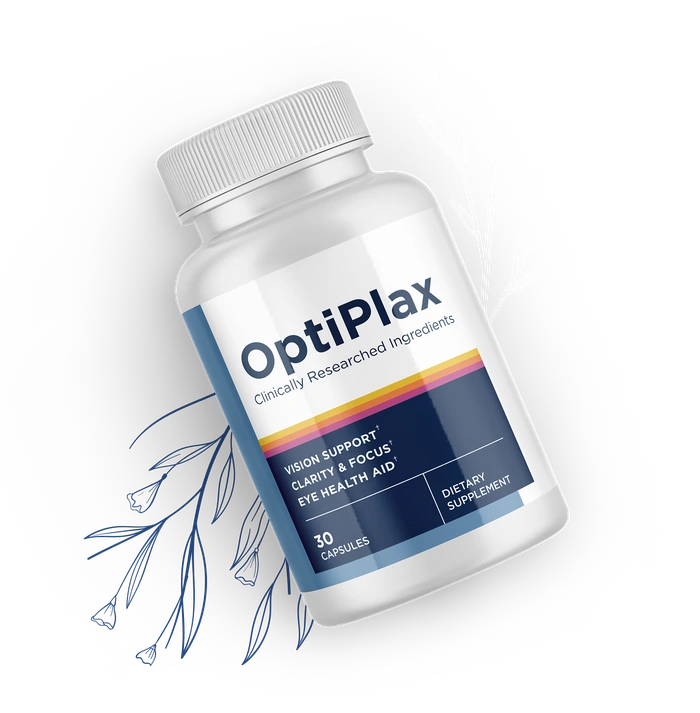
OptiPlax is a once-daily marine-carotenoid capsule built for exactly the low-friction, antioxidant-led brief screen users need. It pairs astaxanthin from Haematococcus pluvialis with a 500 mg blend of fucoxanthin-rich kelp, wakame, chlorella, spirulina and sea buckthorn oil, as a single capsule with water — one decision in the morning and nothing else to remember. It is a support to good habits and a colourful diet, not a treatment for digital eye strain or any eye condition.
None of this replaces the everyday levers that matter most for comfort: the 20-20-20 rule does more for tired eyes in the moment than any capsule. A supplement like OptiPlax sits alongside those habits — see our guide to reducing digital eye strain naturally.

Built for the daily habit
OptiPlax is a once-daily capsule pairing astaxanthin with a 500 mg marine blend. Because antioxidants build support over weeks, the six-bottle bundle is the best value at $49 per bottle, with free U.S. shipping and a 60-day guarantee.
Check today's OptiPlax pricing — from $49/bottleHow do the best eye supplements compare on the traits that matter?
A fair comparison ranks eye supplements not by how many ingredients they list, but by how well they match the screen user's real needs: simplicity, recognisable antioxidants, and a routine you can sustain. The table turns those criteria into a scorecard for any product on the shelf.
| Buying criterion | What "good" looks like | Why screen users care |
|---|---|---|
| Dose format | One capsule, once daily | Highest adherence on busy office days |
| Core actives | Astaxanthin plus marine or macular carotenoids | Antioxidant support for light-exposed tissues |
| Label clarity | Named ingredients and amounts | You know what you are actually taking |
| Claims | Support language, not disease claims | Realistic expectations, compliant marketing |
| Risk to try | Multi-week guarantee | Time to judge a habit that works gradually |
| Best value tier | Multi-month supply | Matches how slowly antioxidants build support |
Judged against that scorecard, a simple marine formula does well because it does not try to do everything. For the science, our explainer on astaxanthin and marine carotenoids for eyes unpacks how these pigments are studied, and the homepage lists the full ingredients and pricing.
How should a screen user build a simple daily routine?
The best routine for screen users pairs fast-acting habits with a slow-building supplement, so you feel relief the same day and support that compounds over weeks. Stack one small habit at a time until each feels automatic:
- Set your screen up well — arm's length away, top at eye level, brightness matched to the room.
- Follow the 20-20-20 rule with a gentle timer through the workday.
- Blink on purpose during long reading or video calls to refresh the tear film.
- Wear UV-blocking sunglasses whenever you step into bright light.
- Protect a consistent bedtime so the eye surface recovers overnight.
- Take your supplement at the same time daily — for OptiPlax, one capsule with water each morning.

Which parts of the routine help fastest?
A "fast" lever is one you feel in your eyes the same day; a "slow" lever builds support over weeks. Screen users need both, and knowing which is which keeps expectations honest.
| Lever | Typical time to notice | Everyday effort |
|---|---|---|
| 20-20-20 screen breaks | Same day | Low |
| Better monitor setup & brightness | Same day | Low |
| Deliberate blinking | Same day | Low |
| Regular sleep & hydration | Days to weeks | Medium |
| Daily antioxidant supplement | Weeks to months | Low |
| Colourful, carotenoid-rich meals | Weeks | Medium |
When should a screen user see an eye doctor?
Supplements and screen habits support everyday comfort; they are not a replacement for professional eye care. Book a routine eye exam on the schedule your optometrist recommends, and see a professional promptly if you notice sudden vision changes, flashes or floaters, persistent pain or redness, or any loss of vision. If your screen fatigue is severe or constant, an exam can rule out an uncorrected prescription or dry-eye condition that habits alone will not fix.
Frequently asked questions
What are the best eye supplements for screen users?
The best eye supplements for screen users are simple, antioxidant-focused formulas you can take consistently every day — ideally one capsule, built on well-studied carotenoids such as astaxanthin, lutein, zeaxanthin and marine antioxidants. They support a nutrient-rich diet and good screen habits rather than treating any eye condition.
Do eye supplements help with screen fatigue?
Supplements do not stop screen fatigue on their own; the biggest levers are blinking, breaks and the 20-20-20 rule. Antioxidant carotenoids are studied for the light-exposed tissues involved in vision and can support a screen-heavy routine over time, but they are not a treatment for digital eye strain.
What should I look for in an eye supplement for office work?
Look for a short, transparent ingredient list of antioxidants and carotenoids, an easy once-daily dose you will actually keep, no unnecessary fillers, and honest labelling that makes support claims rather than disease claims. Simplicity and consistency matter more than a long list of extras.
Is OptiPlax a good eye supplement for screen users?
OptiPlax is a once-daily marine-carotenoid capsule pairing astaxanthin with a 500 mg blend of fucoxanthin-rich kelp, wakame, chlorella, spirulina and sea buckthorn oil. Its single-capsule simplicity suits monitor-bound days, though it is a support to good habits and diet, not a treatment for any eye disease.
How long before an eye supplement makes a difference?
Screen habits like the 20-20-20 rule can ease tired eyes the same day, while antioxidant supplements generally build their support gradually over several weeks to a few months of daily use. Individual results vary, so most people choose a multi-month supply.
Can an eye supplement replace glasses or an eye exam?
No. Supplements support everyday eye nutrition; they do not correct refractive errors and are not a substitute for a professional eye exam. Book routine exams on your optometrist's schedule and seek care promptly for sudden vision changes, flashes, floaters or persistent pain.
Try OptiPlax risk-free for 60 days →
OptiPlax is a dietary supplement, not a treatment for any medical condition. These statements have not been evaluated by the Food and Drug Administration. This product is not intended to diagnose, treat, cure or prevent any disease. Always consult a qualified healthcare professional about your individual needs.
References & further reading
- National Eye Institute (NIH). Keep Your Eyes Healthy. nei.nih.gov/learn-about-eye-health/healthy-vision
- Mayo Clinic. Eyestrain. mayoclinic.org/diseases-conditions/eyestrain
- NCCIH (NIH). Antioxidants. nccih.nih.gov/health/antioxidants-in-depth
- Examine.com. Astaxanthin. examine.com/supplements/astaxanthin
- Sheppard AL, Wolffsohn JS. Digital eye strain: prevalence, measurement and amelioration. BMJ Open Ophthalmology, 2018. pubmed.ncbi.nlm.nih.gov/29963645
- Hecht KA, et al. Astaxanthin (AstaReal) Improved Acute and Chronic Digital Eye Strain in Children: A Randomized Double-Blind Placebo-Controlled Trial. Advances in Therapy, 2025. pubmed.ncbi.nlm.nih.gov/40014233
- Singh S, Downie LE, et al. Blue-light filtering spectacle lenses for visual performance, sleep, and macular health in adults. Cochrane Database of Systematic Reviews, 2023. pubmed.ncbi.nlm.nih.gov/37593770
These references describe the ingredients and habits in general terms and do not constitute evidence that any product treats, cures or prevents any condition.
Keep reading: the full OptiPlax review · reduce digital eye strain · support healthy vision · the OptiPlax blog.