Brown seaweed extract for eyes: the OptiPlax deep dive
Updated August 2026 · reviewed by the OptiPlax Research Team. We are an independent information resource, not a medical provider, and this article is educational rather than medical advice.
Brown seaweed extract for eyes refers to concentrated preparations of sea vegetables such as ecklonia cava, wakame and kelp, prized for their marine polyphenols and the golden carotenoid fucoxanthin. These are the very brown-seaweed actives OptiPlax builds into its daily marine blend — whole-food antioxidants that coastal cultures have eaten for centuries, now studied for the light-exposed tissues of the eye.
What brown seaweed extract is, and how honest we should be about it.
- What it is
- A concentrate of brown sea vegetables — chiefly ecklonia cava, wakame and kelp — carrying marine polyphenols, fucoxanthin and minerals.
- Why the eye interest
- Its polyphenols are studied as antioxidants for the light-and-oxygen stress that light-exposed eye tissue naturally faces.
- Evidence honesty
- Promising in lab and early human work, but preliminary — no seaweed extract is proven to treat, cure or improve any eye condition.
- Where OptiPlax fits
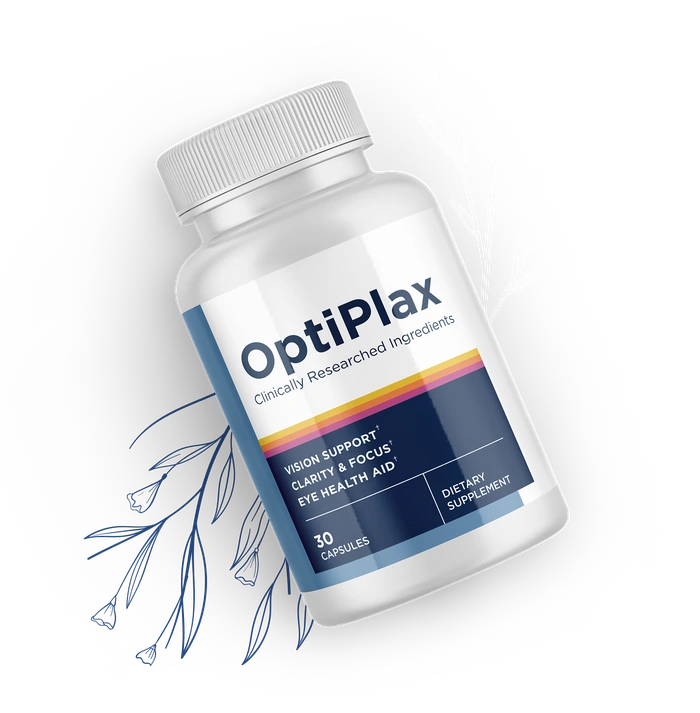
- OptiPlax folds wakame and kelp into a 500 mg marine blend with chlorella, spirulina and astaxanthin in one daily capsule.
Few foods are as quietly loaded as brown seaweed. Along the coasts of Japan, Korea and the North Atlantic, sea vegetables have been dried, simmered and wrapped into daily meals for well over a thousand years — long before anyone could name a single molecule inside them. Modern analysis has since found that the brown varieties are unusually rich in a class of antioxidants found nowhere on land. This deep dive looks at what brown seaweed extract actually is, why it appears in a marine eye formula like OptiPlax, and — just as importantly — where the evidence is still thin.
What is brown seaweed extract, and why does it matter for eyes?
Brown seaweed extract is a concentrated preparation made from the large, brown-pigmented sea vegetables — a group that includes ecklonia cava, wakame, kelp and kombu. What sets these apart from land plants is their chemistry: they carry marine polyphenols, the golden carotenoid fucoxanthin, soluble fibres such as fucoidan and alginate, plus a mineral profile shaped by seawater. The eye interest comes from the antioxidant side of that mix.
The retina is one of the most metabolically active tissues in the body, sitting at the meeting point of intense light and a heavy blood supply. That combination naturally generates reactive molecules, and the eye relies on a steady stream of dietary antioxidants to keep the process in balance. Brown seaweeds are studied precisely because their polyphenols are potent radical-scavengers in the laboratory — which is a reason to be curious, not a reason to over-promise.
Which brown seaweeds are inside OptiPlax?
The brown-seaweed story in OptiPlax rests on a small family of sea vegetables, each with its own culinary history and nutrient signature. Here is how the three most relevant ones differ.
Ecklonia cava: the polyphenol standout
Ecklonia cava is a brown seaweed native to the waters around Korea and Japan, singled out in research for its exceptionally high concentration of phlorotannins — a marine-only family of polyphenols. It is the seaweed most often referenced when scientists discuss antioxidant sea botanicals, and small human studies have begun to explore its behaviour, though the eye-specific work remains early-stage.
Wakame: the everyday sea vegetable
Wakame is the silky brown seaweed most people have eaten in miso soup or seaweed salad, a daily staple in Japanese and Korean kitchens. Beyond polyphenols, it is a recognised whole-food source of fucoxanthin, the golden carotenoid that gives brown seaweeds their colour and draws its own line of antioxidant research.
Kelp and kombu: the mineral-rich broth base
Kelp is the broad-bladed brown seaweed used to make the savoury dashi broth at the heart of Japanese cooking, valued for both flavour and a dense mineral load. It rounds out the brown-seaweed contribution with iodine, magnesium and trace minerals delivered in their natural food matrix.
| Brown seaweed | Signature compound | Traditional coastal use |
|---|---|---|
| Ecklonia cava | Phlorotannins (marine polyphenols) | Studied antioxidant seaweed of Korean & Japanese waters. |
| Wakame | Fucoxanthin & polyphenols | Miso soup and seaweed salad staple. |
| Kelp / kombu | Iodine & trace minerals | Base of savoury dashi broth. |
| Fucoidan (shared) | Soluble marine fibre | The slippery texture common to brown seaweeds. |

See the exact dose in OptiPlax
OptiPlax pairs astaxanthin with a 500 mg marine blend of wakame, kelp, chlorella and spirulina in one daily capsule. The six-bottle bundle is the best value at $49 per bottle, with free U.S. shipping and a 60-day guarantee.
Check today's OptiPlax pricing — from $49/bottleWhat are marine polyphenols, and how do they differ from carotenoids?
Marine polyphenols are antioxidant plant compounds found only in seaweed, the best-studied being the phlorotannins that concentrate in brown species like ecklonia cava. They belong to a different chemical family than the carotenoids — the coloured pigments such as lutein, zeaxanthin and astaxanthin — and this difference is exactly why a marine formula bothers to include both.
Carotenoids are fat-soluble pigments that physically deposit in tissue; lutein and zeaxanthin, for example, accumulate in the macula, where they help filter high-energy light. Marine polyphenols work more like water-soluble radical-scavengers throughout the body. The logic behind combining them is complementary coverage — two families of antioxidants that operate in different compartments — rather than any claim that one supercharges the other.

| Antioxidant type | Example | How it broadly behaves |
|---|---|---|
| Marine polyphenol | Phlorotannins (ecklonia cava) | Water-friendly radical-scavengers unique to seaweed. |
| Marine carotenoid | Fucoxanthin (wakame, kelp) | The golden pigment of brown seaweed, fat-soluble. |
| Algal carotenoid | Astaxanthin | A red microalgae pigment studied for light-exposed tissue. |
| Macular carotenoid | Lutein & zeaxanthin | Deposit in the macula and help filter blue light. |
What does the evidence actually say?
The honest summary is that brown seaweed research is promising but preliminary, and no seaweed extract has been proven to treat, cure or prevent any eye condition. Most of what exists is laboratory work and animal studies, with a smaller number of small human trials — enough to justify scientific interest, not enough to make clinical promises.
Most brown-seaweed research is compositional and preclinical rather than ophthalmic. Phlorotannins from Ecklonia cava have documented antioxidant activity in laboratory work (Wijesekara I et al., BioFactors, 2010), fucoxanthin’s food-science profile is well characterised (Din NAS et al., Foods, 2022), and absorption of Ecklonia cava phlorotannins has been measured pharmacokinetically (Shin HC et al., Marine Drugs, 2024) — but none of that work used vision as an outcome in people.
Phlorotannins from ecklonia cava consistently behave as strong antioxidants in test-tube assays, and fucoxanthin from wakame and kelp has its own body of early metabolic and antioxidant research. But the leap from a cell culture to a measurable benefit in a human eye is a large one, and it has not been made with the kind of large, long, randomised trials that would let anyone claim a vision benefit. Where seaweed shines with confidence is as a nutrient-dense whole food: a genuine dietary source of antioxidants, iodine and minerals with centuries of safe culinary use behind it. That is the frame we use for it, and the frame OptiPlax is built on — nourishment, not medicine. For the wider antioxidant picture, our guide to astaxanthin and marine carotenoids covers the pigment side in detail.
How do sea vegetables fit a coastal-diet tradition?
Sea vegetables are one of the oldest continuously eaten foods in the human diet, woven into the daily cuisine of coastal Japan, Korea and parts of northern Europe for well over a millennium. This long track record is the most reassuring thing about brown seaweed: it is food first, studied ingredient second.
In practical terms, that heritage shows up as wakame in a bowl of miso soup, kombu simmered into a stock, or nori wrapped around rice. Populations that eat seaweed regularly have some of the world's longest life expectancies — an association, not proof of cause, but a reminder that these are foods, not novelties. A supplement like OptiPlax simply concentrates a slice of that coastal-diet tradition into a capsule for people whose weekly menu rarely includes a sea vegetable. If you would rather build the habit through meals, our best foods for eye health guide shows where seaweed sits among greens, fish and eggs.
How is brown seaweed dosed inside OptiPlax?
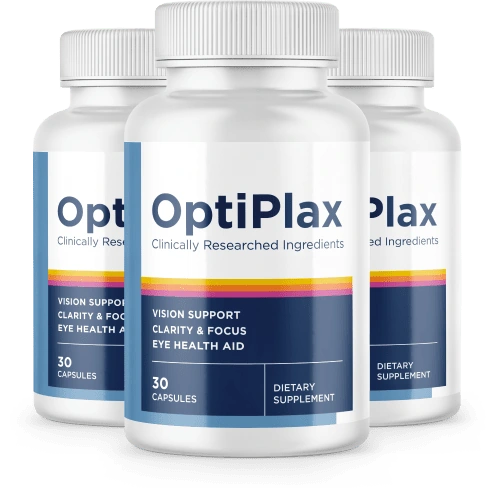
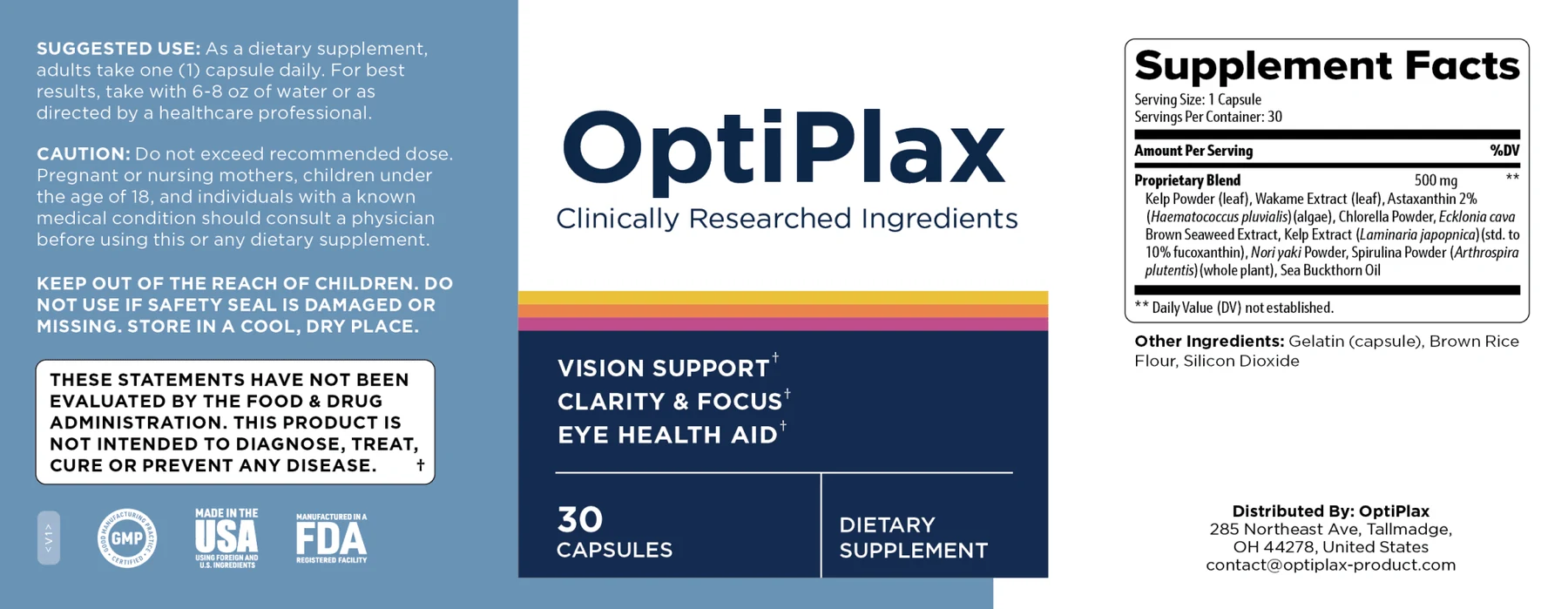
Inside OptiPlax, the brown-seaweed actives are delivered as part of a 500 mg daily marine blend rather than as an isolated mega-dose, a formulation choice that mirrors how these foods are actually eaten. Wakame and kelp sit alongside the microalgae chlorella and spirulina in that blend, and the whole marine mix is paired with astaxanthin, the red algal carotenoid.
The supplement-facts panel prints the exact figures, and we always point readers to it rather than paraphrasing a number. The design philosophy is a broad, food-like spread of marine antioxidants in a single daily capsule — the everyday coastal plate, made convenient — not a high-dose extract sold on a single hero molecule. To see how it fits into a wider routine, our natural vision-support guide puts diet, light habits and supplements side by side.
Frequently asked questions
What is brown seaweed extract?
Brown seaweed extract is a concentrated preparation made from brown-coloured sea vegetables such as ecklonia cava, wakame and kelp. It captures the marine polyphenols, the golden carotenoid fucoxanthin and soluble fibres that give these seaweeds their traditional food value in coastal diets.
Is ecklonia cava good for your eyes?
Ecklonia cava is a brown seaweed rich in a distinctive family of marine polyphenols. Early laboratory and small human studies have explored its antioxidant behaviour, including work touching on eye-related tissue, but the evidence is still preliminary and no seaweed extract is proven to treat any eye condition.
What are marine polyphenols?
Marine polyphenols are antioxidant plant compounds unique to seaweed, the best known being the phlorotannins concentrated in brown seaweeds like ecklonia cava. They are studied for helping neutralise the reactive molecules that light and oxygen naturally generate in living tissue.
Is wakame extract safe to take daily?
Wakame has been eaten daily in Japanese and Korean cuisine for centuries and is generally well tolerated as a food and as a modest supplement dose. Because seaweeds concentrate iodine, anyone with a thyroid condition, pregnancy or medication should check the label amount with a healthcare professional first.
How much brown seaweed extract is in OptiPlax?
OptiPlax delivers its brown seaweed actives, including wakame and kelp, inside a 500 mg daily marine blend that also carries chlorella and spirulina, paired with astaxanthin. The exact per-ingredient breakdown is printed on the supplement facts panel.
Can brown seaweed extract improve eyesight?
No supplement, including brown seaweed extract, is proven to sharpen normal eyesight or reverse vision loss. Sea vegetables are best viewed as a nutrient-dense whole food that supplies antioxidants and minerals, one part of a broader eye-friendly diet and lifestyle. Individual results vary.
See the exact dose in OptiPlax — risk-free for 60 days →
OptiPlax is a dietary supplement, not a treatment for any medical condition. These statements have not been evaluated by the Food and Drug Administration. This product is not intended to diagnose, treat, cure or prevent any disease. Always consult a qualified healthcare professional about your individual needs.
References & further reading
- National Center for Complementary and Integrative Health (NCCIH). Antioxidants — in depth. nccih.nih.gov/health/antioxidants-in-depth
- Examine.com. Fucoxanthin — evidence-based summary. examine.com/supplements/fucoxanthin
- Wijesekara I, et al. Phlorotannins from Ecklonia cava (Phaeophyceae): biological activities and potential health benefits. BioFactors, 2010. pubmed.ncbi.nlm.nih.gov/20803523
- Din NAS, et al. Brown Algae as Functional Food Source of Fucoxanthin: A Review. Foods, 2022. pubmed.ncbi.nlm.nih.gov/35954003
- National Eye Institute (NIH). Keep Your Eyes Healthy — diet and nutrition. nei.nih.gov/learn-about-eye-health/healthy-vision
- Shin HC, et al. A Pharmacokinetic and Bioavailability Study of Ecklonia cava Phlorotannins. Marine Drugs, 2024. pubmed.ncbi.nlm.nih.gov/39590780
These references describe the ingredients and nutrients in general terms and do not constitute evidence that any product treats, cures or prevents any condition.
Keep reading: how astaxanthin and marine carotenoids work · best foods and nutrients for eye health · how to support healthy vision naturally · back to the OptiPlax blog · the OptiPlax review.