How to choose an eye health supplement: the OptiPlax buyer's guide
Updated August 2026 · reviewed by the OptiPlax Research Team. We are an independent information resource, not a medical provider, and this article is educational rather than medical advice.
To choose an eye health supplement well, judge it on four things you can verify before you buy: a fully transparent ingredient list, doses shown in milligrams that match the published research, manufacturing in a GMP-certified and FDA-registered facility, and a money-back guarantee long enough to actually try the product. Everything else — marketing language, celebrity endorsements, star ratings — is noise until those four boxes are ticked. This guide turns those filters into a simple checklist and then applies it, honestly, to OptiPlax as a worked example.
The four-point checklist for choosing an eye health supplement, in one place.
- Transparency
- Every active listed with its exact amount in milligrams — no “proprietary blends” that hide the real dose.
- Dose
- Amounts in the range used in human research, not a token sprinkle of a headline ingredient.
- Manufacturing
- GMP certification, an FDA-registered facility, and made-in-USA sourcing with third-party testing.
- Guarantee
- A refund window of 60 days or more, so the risk sits with the seller.
The eye-health aisle looks impossibly crowded, but separating a considered formula from a marketing exercise takes only a short checklist. Below we build that checklist, then hold OptiPlax up against it.
What should you look for in an eye health supplement?
An eye health supplement is a dietary product that supplies nutrients — typically carotenoids, antioxidant vitamins and marine compounds — that the eyes use in everyday function, and the ones worth buying make every nutrient and its amount easy to verify. The most useful habit is to ignore the front of the bottle and read the Supplement Facts panel first. Four questions decide it:
- Can I see every dose? Each active listed with its amount, not folded into a blend.
- Are the doses meaningful? Amounts that resemble those used in published studies.
- Where and how was it made? GMP certification and an FDA-registered facility.
- What if it does not suit me? A real guarantee that protects your purchase.
Why does ingredient transparency matter most?
Ingredient transparency means the label shows the exact amount of every active compound, so you can check the formula against the evidence instead of trusting a slogan. The enemy of transparency is the “proprietary blend” — a single combined weight for a list of ingredients, which lets a manufacturer put a pinch of an expensive, well-marketed nutrient at the top and fill the rest with cheap bulk. Because ingredients are listed by weight, the compound you care about can sit at a trace amount while the blend still looks impressive.
Transparency matters because a stated amount is the only way to compare a label against a trial. The human astaxanthin review reports doses in the single-digit to low-double-digit milligram range (Donoso A et al., Pharmacological Research, 2021), and AREDS2 states its lutein and zeaxanthin amounts explicitly (AREDS2 Research Group, JAMA, 2013). A proprietary blend that hides per-ingredient amounts makes that comparison impossible, which is a fact about the label rather than an accusation about the product.
A transparent label does the opposite: it names each nutrient, states its source where relevant, and gives you a number you can compare. Read the panel and you can decide; can't read it and you are simply hoping. For the compounds themselves, see our guide to astaxanthin and marine carotenoids for eyes.
How do you read the dose on the label?
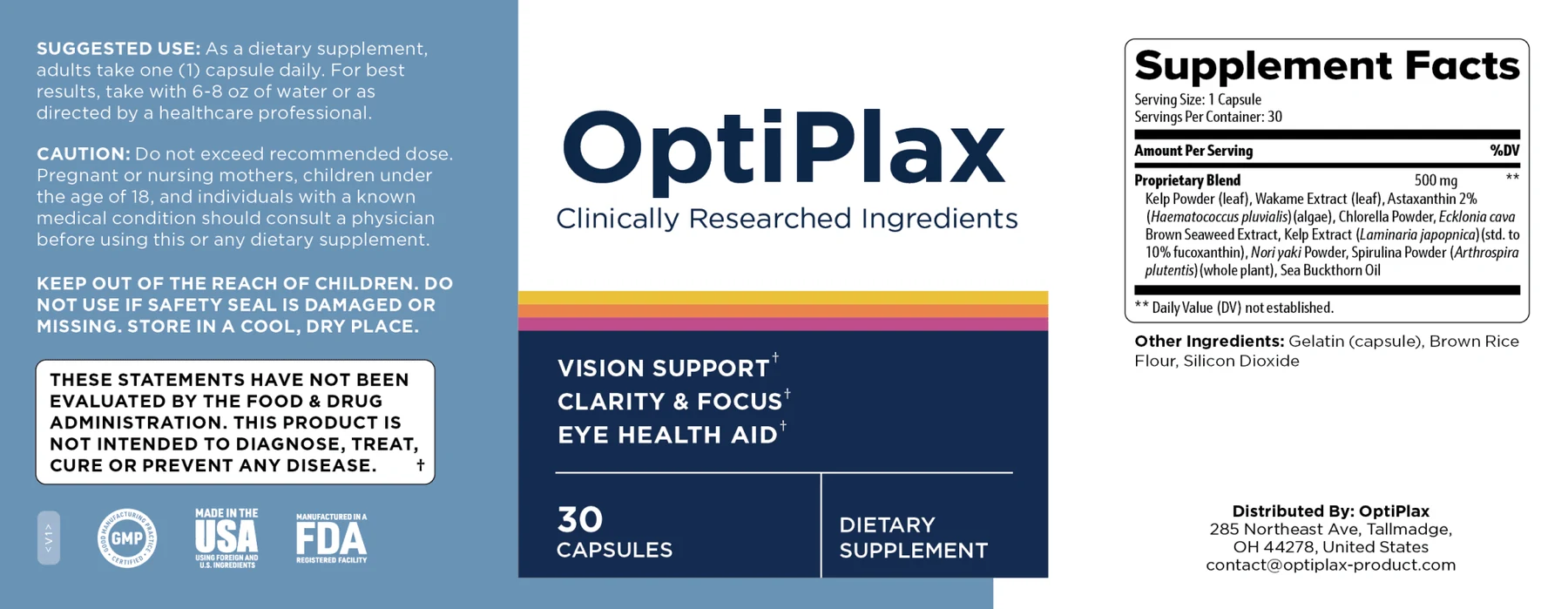
Reading the dose means matching the milligram figure on the panel against the amount used in research, because an ingredient below its studied range is unlikely to do much. This is where many products quietly fall down: they list a fashionable carotenoid at a fraction of the studied amount — enough to name on the front, not enough to matter. An amount close to what was actually studied is called a “clinical dose,” and it is the number worth hunting for.
What is under-dosing, and how do you spot it?
Under-dosing is the practice of including a headline ingredient at a token amount so it can appear on the label without meaningfully contributing. To spot it, note the milligrams listed, then compare against an independent database such as Examine.com or the NIH Office of Dietary Supplements. A label that gives no per-ingredient number is itself a red flag.
| Label signal | What it usually means | Verdict |
|---|---|---|
| Each active shown in mg | You can verify the formula against research | Green flag |
| “Proprietary blend 500 mg” | Individual doses hidden; true amounts unknown | Red flag |
| Named source (e.g. algae astaxanthin) | Quality and form are disclosed | Green flag |
| Headline nutrient, no number | Likely present in a token amount | Red flag |
| Serving size matches the claim | Doses on the panel are per daily serving | Green flag |
See the exact dose in OptiPlax →
What manufacturing standards should you check?
Manufacturing standards tell you how carefully a product is made, and the two that carry the most weight are GMP certification and production in an FDA-registered facility. In the United States, supplements are regulated as food rather than as drugs, so the FDA does not approve them for safety or effectiveness before sale. Responsibility for quality sits with the manufacturer, so those quality signals are what you check.
Which certifications actually matter?
GMP (Good Manufacturing Practice) certification means an independent body has verified that the facility follows documented processes for identity, purity and consistency, and an FDA-registered facility is one the agency knows about and can inspect. Badges such as non-GMO, gluten-free and vegetarian describe the formula rather than the process — useful, but not a substitute for GMP.

Does the guarantee really matter?
A money-back guarantee matters because nutrients that support the eyes build up gradually over weeks to months, so you need enough time to judge the product if it does not suit you. A guarantee also reveals the seller's confidence: a company that stands behind a formula for 60 days or more carries the risk itself, while a short or absent window leaves it with you.
Read the fine print: a fair policy covers even opened bottles, states a clear number of days, and does not bury impractical conditions. Pair it with the price math — the real figure is cost per day, not the sticker price on one bottle.

How does OptiPlax score on the checklist?
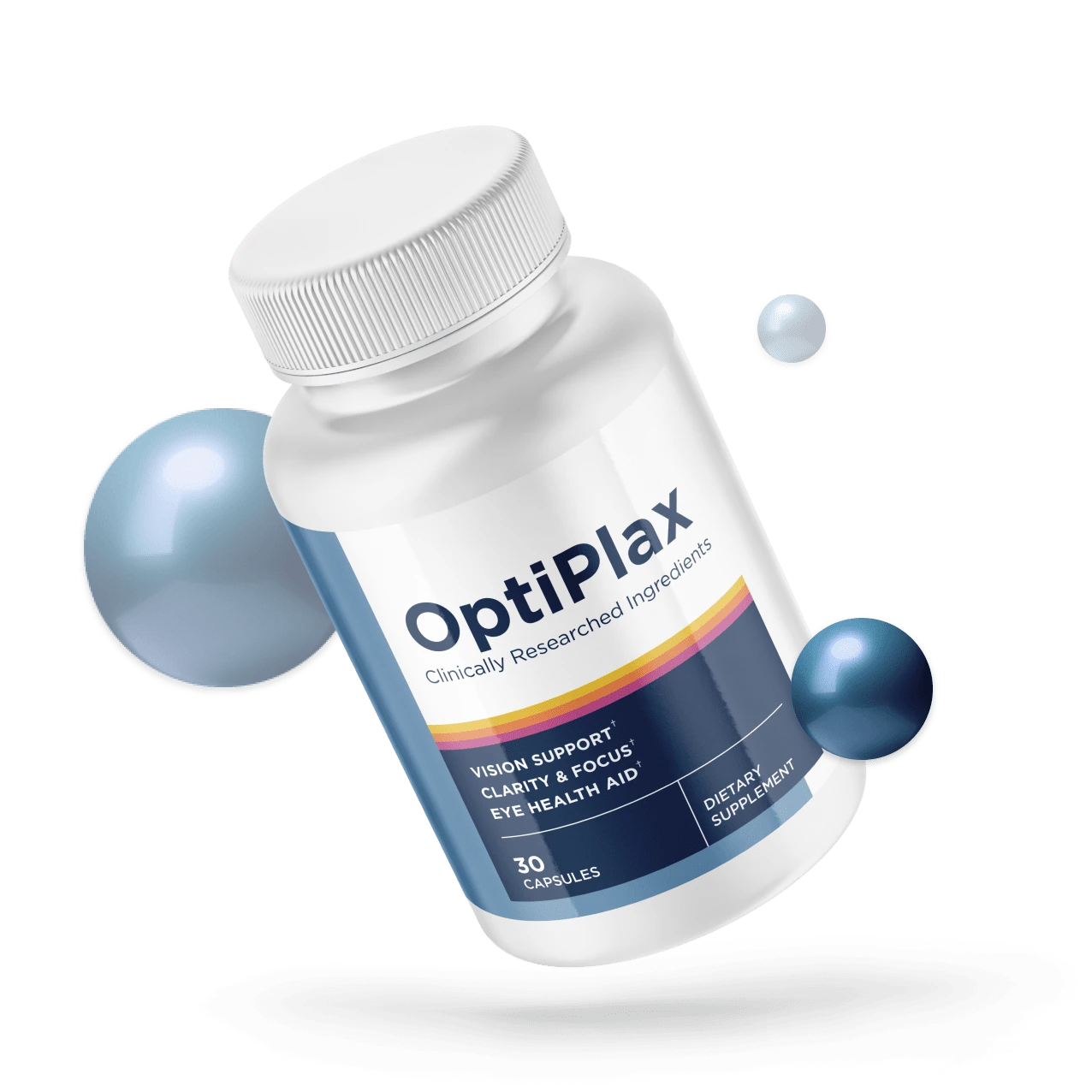
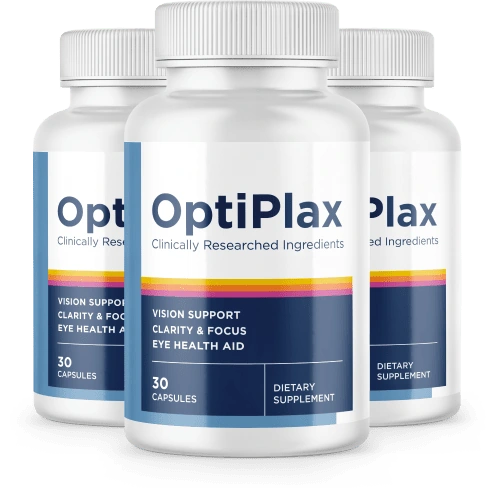
Applying the checklist to OptiPlax shows what “pass” looks like, without overstating what any supplement can do. OptiPlax is a once-daily marine-carotenoid capsule built on astaxanthin from Haematococcus pluvialis algae plus a 500 mg blend of fucoxanthin-rich kelp, wakame, chlorella, spirulina and sea buckthorn oil. Here is how it reads against each filter.
| Checklist point | OptiPlax | Honest note |
|---|---|---|
| Ingredient transparency | Each active named with its amount; astaxanthin source disclosed | Read the full panel yourself before buying |
| Meaningful doses | 500 mg marine blend plus algae astaxanthin per capsule | Marine-carotenoid research in humans is still emerging, not conclusive |
| Manufacturing | GMP-certified, FDA-registered facility, made in the USA | Registration is not FDA approval of the product |
| Guarantee | 60-day money-back guarantee | Confirm current terms at checkout |
| Value | From $49/bottle on the multi-bottle bundle | Per-bottle price drops on larger supplies |
The point is not that OptiPlax is the only product that passes — it is that you can run this checklist on any bottle in minutes. A formula that clears all four gates is worth considering; one that hides its doses or offers no guarantee usually is not.

Run the checklist, then decide
OptiPlax pairs algae astaxanthin with a 500 mg marine blend, made in a GMP-certified, FDA-registered facility and backed by a 60-day guarantee. The six-bottle bundle is the best value at $49 per bottle, with free U.S. shipping.
Check today's OptiPlax pricing — from $49/bottleWhat common tricks should you watch out for?
The most common trick is the proprietary blend that hides doses, followed by “fairy dusting” a trendy ingredient at a token amount so it can appear on the label. Others: multi-capsule serving sizes that raise the real daily cost, guarantees that exclude opened products, and unverifiable ratings. None are illegal; all are reasons to slow down and read the panel. For the nutrients themselves, see our companion pieces on the best foods and nutrients for eye health and how to support healthy vision naturally.
Spotting the tricks is the negative half of this exercise; the positive half — the traits genuinely worth paying for — is set out in what to look for in a vision supplement.
When should you talk to an eye doctor first?
A supplement supports everyday nutrition; it is never a treatment for an eye condition, and some situations call for professional advice first. Talk to your doctor or optometrist before starting one if you are pregnant or breastfeeding, take prescription medication, or have a diagnosed eye disease. See a professional promptly for sudden vision changes, flashes or floaters, persistent pain, or any loss of vision. A supplement sits alongside professional care, never in place of it.
Frequently asked questions
What should you look for in an eye health supplement?
Look for four things: a transparent ingredient list with each active shown in milligrams, doses in the range studied in research rather than a hidden proprietary blend, manufacturing in a GMP-certified and FDA-registered facility, and a genuine money-back guarantee. Those filters remove most low-quality products quickly.
What does a clinical dose mean on a supplement label?
A clinical dose is an amount close to what was actually used in published human studies. Many products list an impressive ingredient at a fraction of that amount, or bury it inside a proprietary blend. A trustworthy label shows the milligrams for each active so you can compare it to the research yourself.
Are eye health supplements regulated by the FDA?
In the United States, supplements are regulated as food, not drugs, so the FDA does not approve them for safety or effectiveness before sale; manufacturers are responsible for their own quality. That is why signals like GMP certification, an FDA-registered facility and transparent labeling matter when you choose one.
What manufacturing certifications matter for supplements?
The most meaningful signals are production in a GMP (Good Manufacturing Practice) certified facility, registration of that facility with the FDA, and made-in-USA sourcing with documented testing. Badges like non-GMO, gluten-free and vegetarian describe the formula, while GMP and FDA registration describe the process quality.
How do I know if an eye supplement is worth the price?
Divide the total cost by the number of servings to get a real cost per day, then weigh that against the transparency of the dose and the quality signals. A cheap product with hidden doses is rarely a bargain, and multi-bottle bundles usually lower the daily cost.
Is a money-back guarantee important when choosing a supplement?
Yes. Nutrients that support the eyes build up gradually over weeks to months, so a guarantee of 60 days or more lets you judge the product without financial risk. A short or missing guarantee signals less confidence and leaves the risk entirely with you.
Run the checklist on OptiPlax — risk-free for 60 days →
OptiPlax is a dietary supplement, not a treatment for any medical condition. These statements have not been evaluated by the Food and Drug Administration. This product is not intended to diagnose, treat, cure or prevent any disease. Always consult a qualified healthcare professional about your individual needs.
References & further reading
- U.S. Food and Drug Administration. Dietary Supplements. fda.gov/food/dietary-supplements
- National Institutes of Health, Office of Dietary Supplements. Dietary Supplements: What You Need to Know. ods.od.nih.gov/factsheets/WYNTK-Consumer
- National Center for Complementary and Integrative Health (NCCIH). Using Dietary Supplements Wisely. nccih.nih.gov/health/using-dietary-supplements-wisely
- Examine.com. Astaxanthin — evidence-based summary. examine.com/supplements/astaxanthin
- National Eye Institute (NIH). Keep Your Eyes Healthy. nei.nih.gov/learn-about-eye-health/healthy-vision
- Mayo Clinic. Dietary supplements: Do they help or hurt? mayoclinic.org/healthy-lifestyle/nutrition-and-healthy-eating
- Donoso A, et al. Therapeutic uses of natural astaxanthin: an evidence-based review focused on human clinical trials. Pharmacological Research, 2021. pubmed.ncbi.nlm.nih.gov/33549728
- Age-Related Eye Disease Study 2 Research Group. Lutein + zeaxanthin and omega-3 fatty acids for age-related macular degeneration: the AREDS2 randomized clinical trial. JAMA, 2013. pubmed.ncbi.nlm.nih.gov/23644932
- Lem DW, et al. A Systematic Review of Carotenoids in the Management of Age-Related Macular Degeneration. Antioxidants, 2021. pubmed.ncbi.nlm.nih.gov/34439503
These references describe supplement quality and the ingredients in general terms and do not constitute evidence that any product treats, cures or prevents any condition.
Keep reading: the full OptiPlax review · the best foods and nutrients for eye health · how to support healthy vision naturally · back to the OptiPlax blog.